Cooking Tips
Moroccan cooking tips & how-to guides
Everything you need to cook Moroccan food well at home — the techniques, the ingredients to buy, the spices and their substitutes, the right equipment, and where to start if you're new. Practical, authentic and honest, grouped so you can find exactly what you need.
Page 1 of 5 · 113 tips
New to Moroccan cooking
Getting started
Where to begin — the essential pantry, the first dishes to learn, common mistakes, and how to cook Moroccan food in any kitchen, on any budget.
For beginners
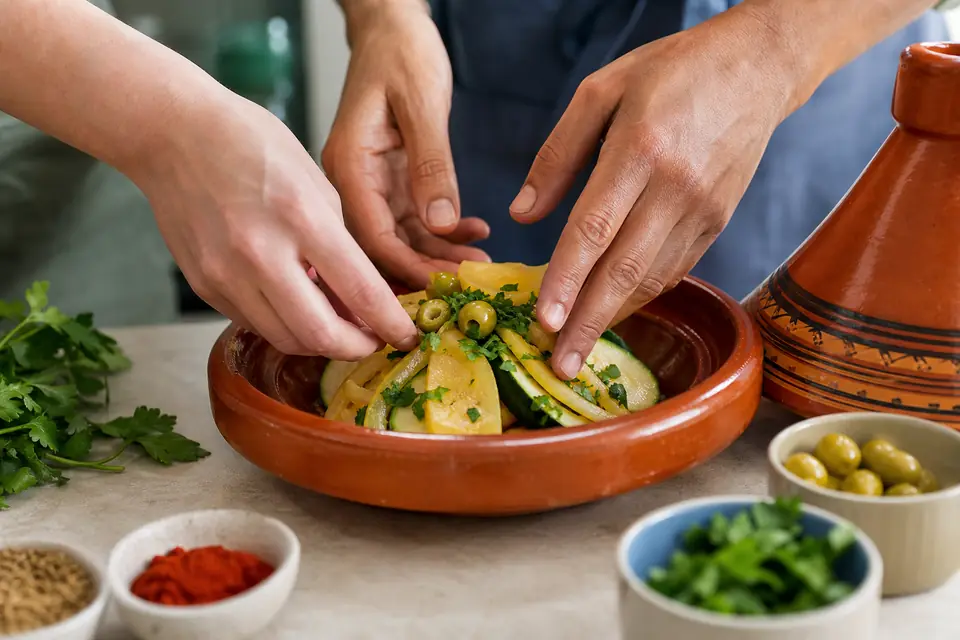
Moroccan Cooking for Beginners
Where to start with Moroccan food — the few skills and spices that unlock the cuisine.
Read the guide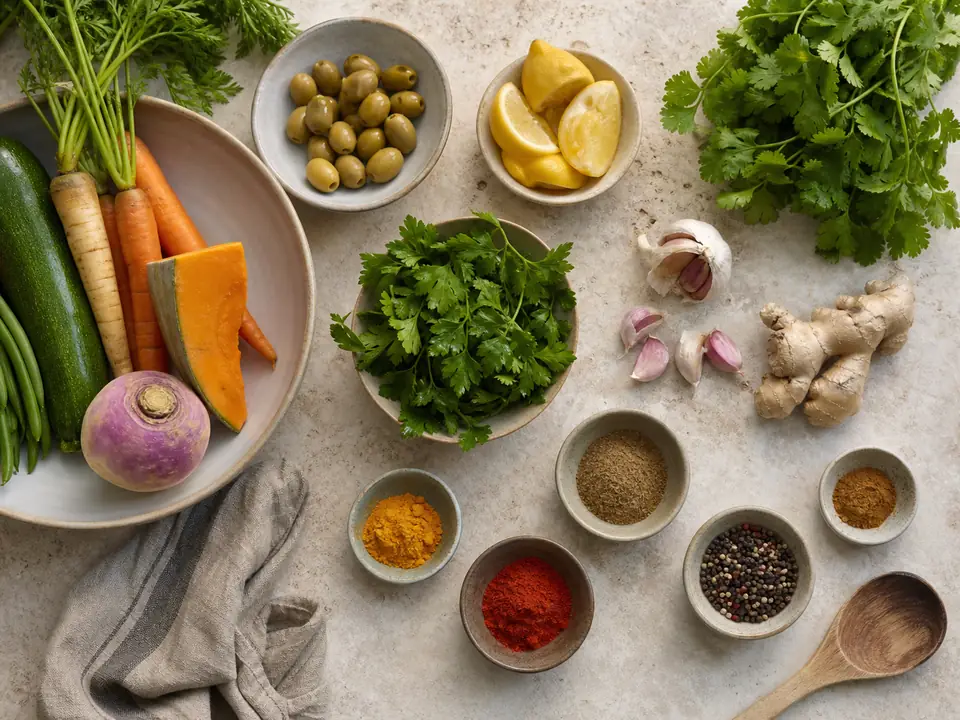
Essential pantry
The Essential Moroccan Pantry
Stock these staples and you can cook Moroccan food any night without shopping.
Read the guide
First five dishes
Five Moroccan Dishes to Learn First
Chicken tagine, couscous, harira, zaalouk and mint tea — the beginner's core repertoire.
Read the guide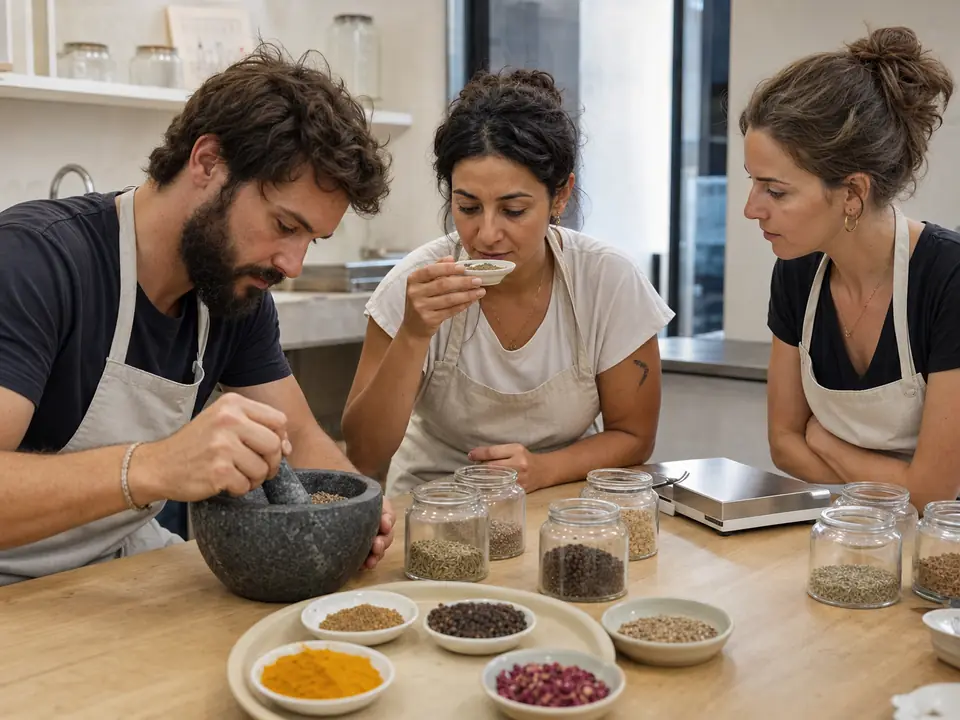
Build a spice kit
How to Build a Moroccan Spice Collection
Start with five, grow to a dozen — a staged, affordable way to stock Moroccan spices.
Read the guide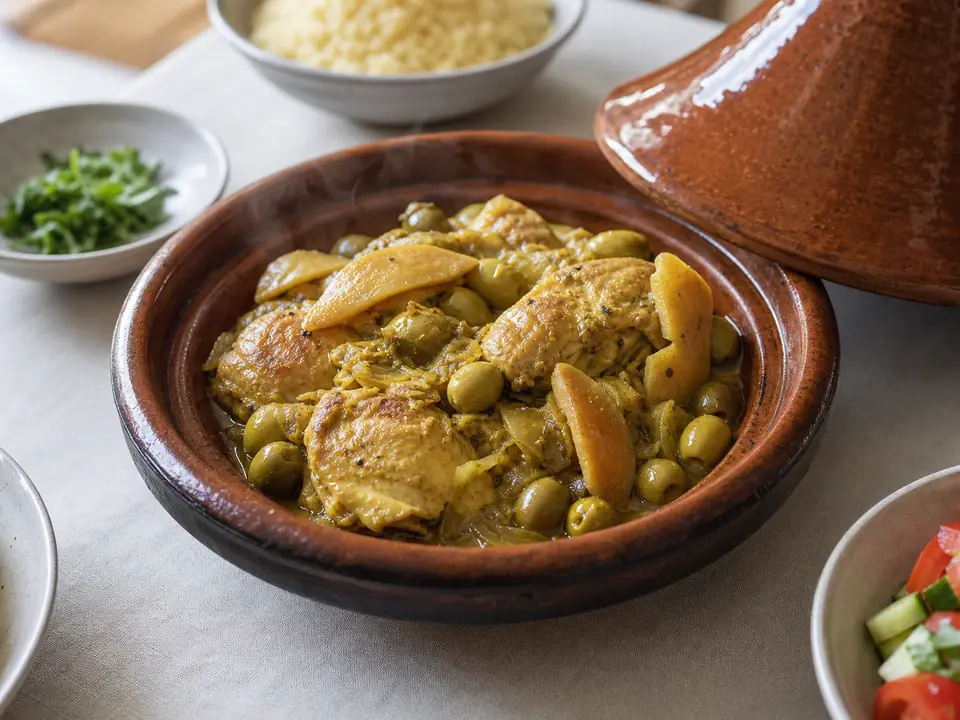
Common mistakes
Common Mistakes in Moroccan Cooking
Too much heat, too much water, stale spices — the errors that flatten a tagine.
Read the guide Plan a menu
How to Plan a Moroccan Dinner Menu
Salads, a showpiece main, bread and tea — how to structure a Moroccan meal.
Read the guide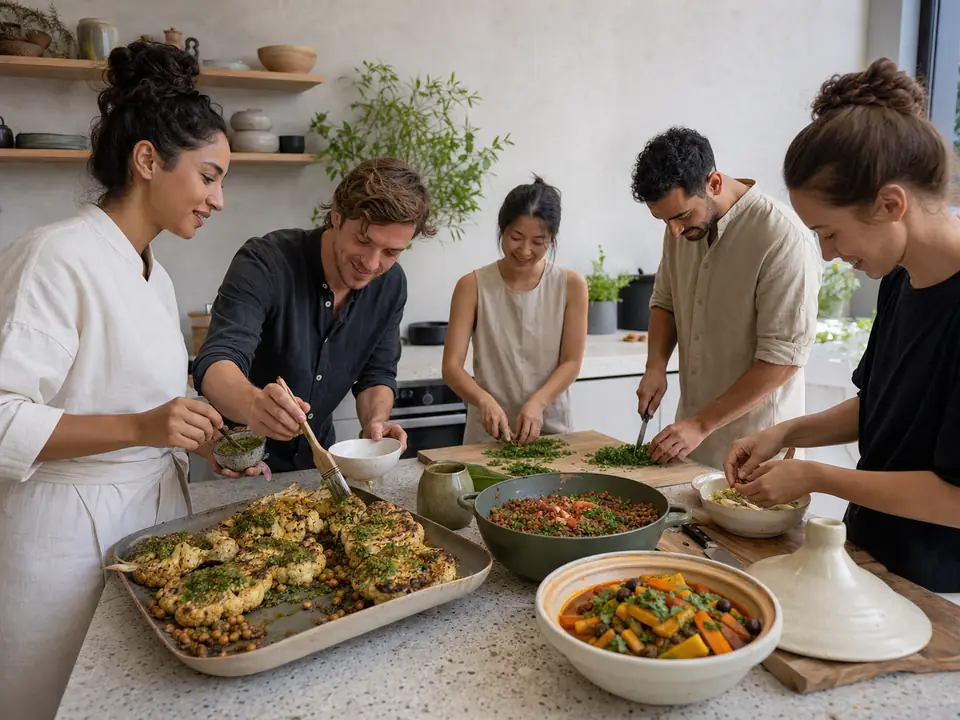
Vegetarian basics
Vegetarian Moroccan Cooking Basics
Morocco is quietly veg-friendly — vegetable tagines, couscous and a world of salads.
Read the guide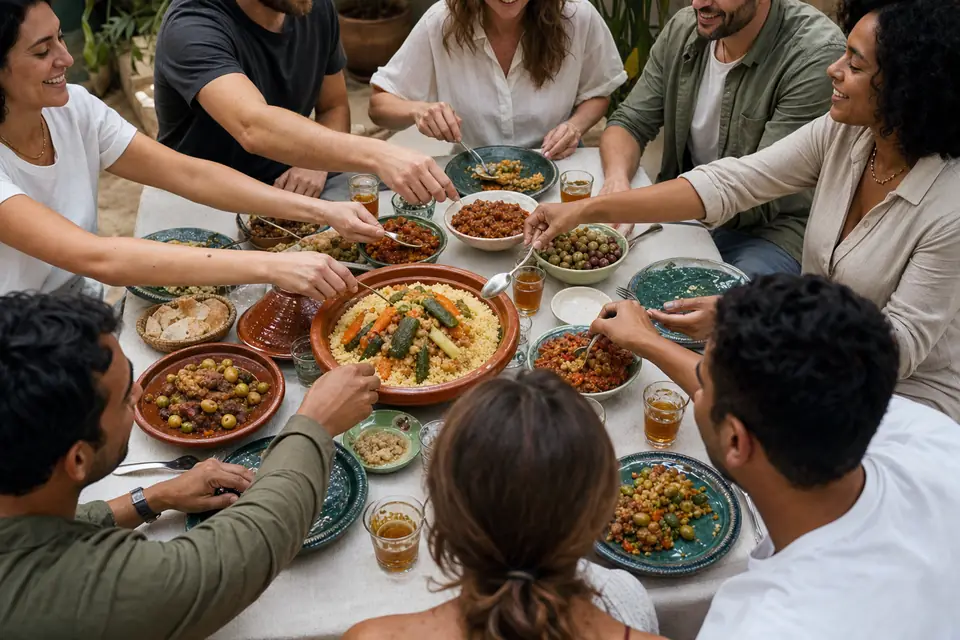
How to eat
How to Eat a Moroccan Meal
Share the central dish, scoop with bread, use your right hand — the table customs.
Read the guide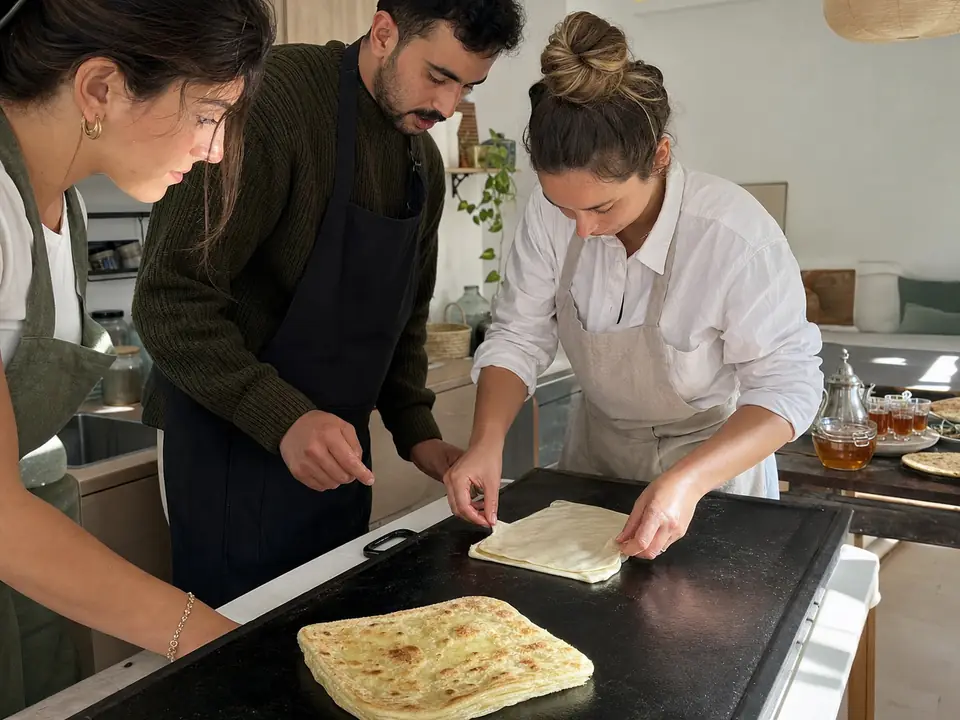
Breakfast basics
Moroccan Breakfast Basics
Breads, olive oil, honey and mint tea — the savoury-sweet Moroccan morning.
Read the guide Batch & freeze
Batch Cooking and Freezing Moroccan Food
Tagines, soups and sauces freeze brilliantly — what to make ahead and how.
Read the guide On a budget
Cooking Moroccan Food on a Budget
Pulses, cheap cuts and vegetables — Moroccan food is naturally economical.
Read the guide How spicy?
How Spicy Is Moroccan Food?
Aromatic, not fiery — Moroccan food is richly spiced but rarely hot.
Read the guide Gluten-free
Gluten-Free Moroccan Cooking
Tagines and rice are naturally gluten-free — plus the wheat pitfalls to watch.
Read the guide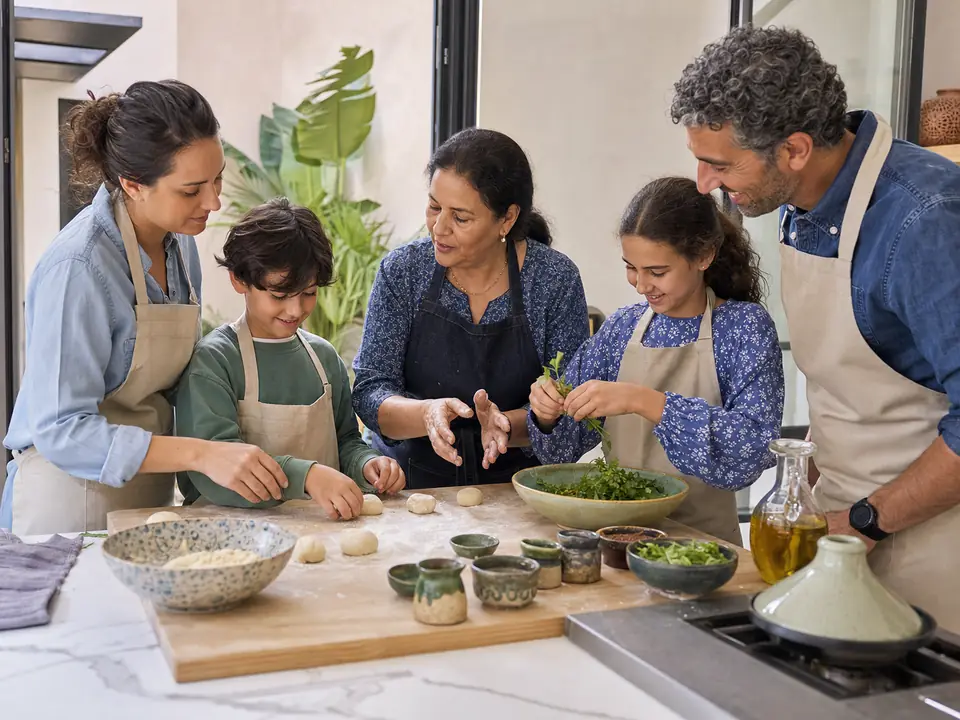
Cooking with kids
Moroccan Cooking With Kids
Mild, hands-on and fun — the Moroccan dishes children love to make and eat.
Read the guide Host a dinner
Hosting a Moroccan Dinner Party
Make-ahead salads, one showpiece tagine and a warm, generous table.
Read the guide Adapt to your kitchen
Adapting Moroccan Recipes to Your Kitchen
No tagine, no couscoussier, hard-to-find ingredients? Sensible swaps that still work.
Read the guide Recipe structure
Understanding Moroccan Recipe Structure
Why Moroccan recipes follow a pattern — and how to recognise it across dishes.
Read the guide Grandmother recipes
How to Follow a Moroccan Recipe from a Grandmother
Decoding 'a little of this' and 'cook until it's done' — the oral tradition in practice.
Read the guide Cook for 1–2
Moroccan Cooking for One or Two
Scaling down tagines, couscous and soups without losing depth or wasting food.
Read the guide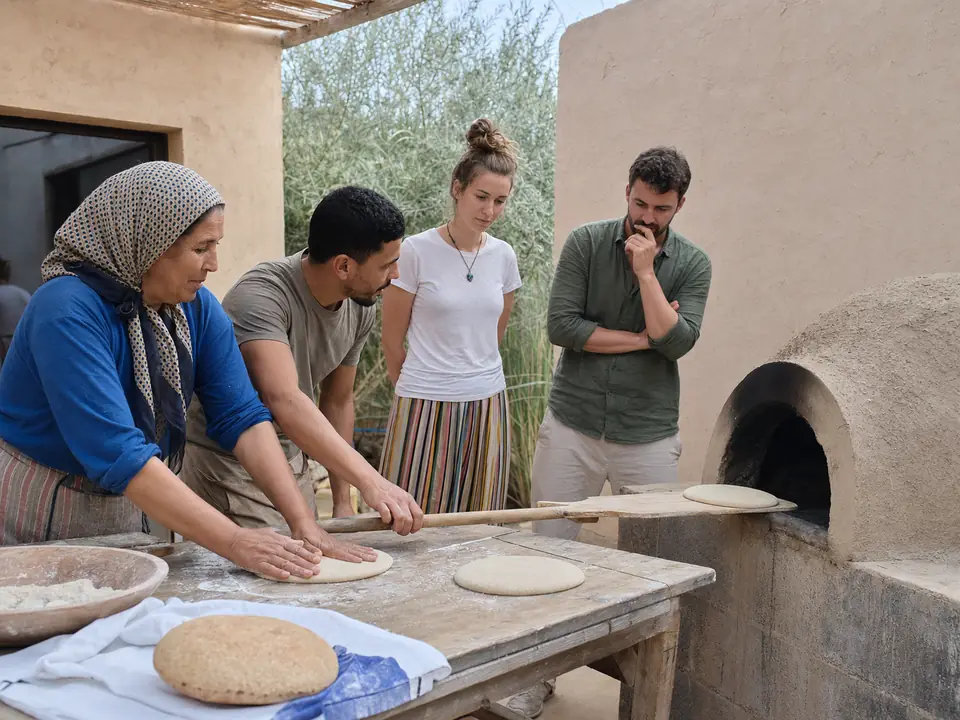
Shop outside Morocco
Shopping for Moroccan Ingredients Outside Morocco
Where to find preserved lemons, argan oil, ras el hanout and warqa when you're not in the souk.
Read the guide Meal timing
Timing a Moroccan Meal
Working backwards from serving — a timeline for tagine, couscous and a multi-dish spread.
Read the guide Spice confidence
Building Confidence with Moroccan Spice Combinations
Five classic pairings that teach you how the spice logic of Moroccan cooking works.
Read the guide Small kitchen
Moroccan Cooking in a Small Kitchen
Limited counter, one oven, two burners — how to make it work for tagines, couscous and bread.
Read the guide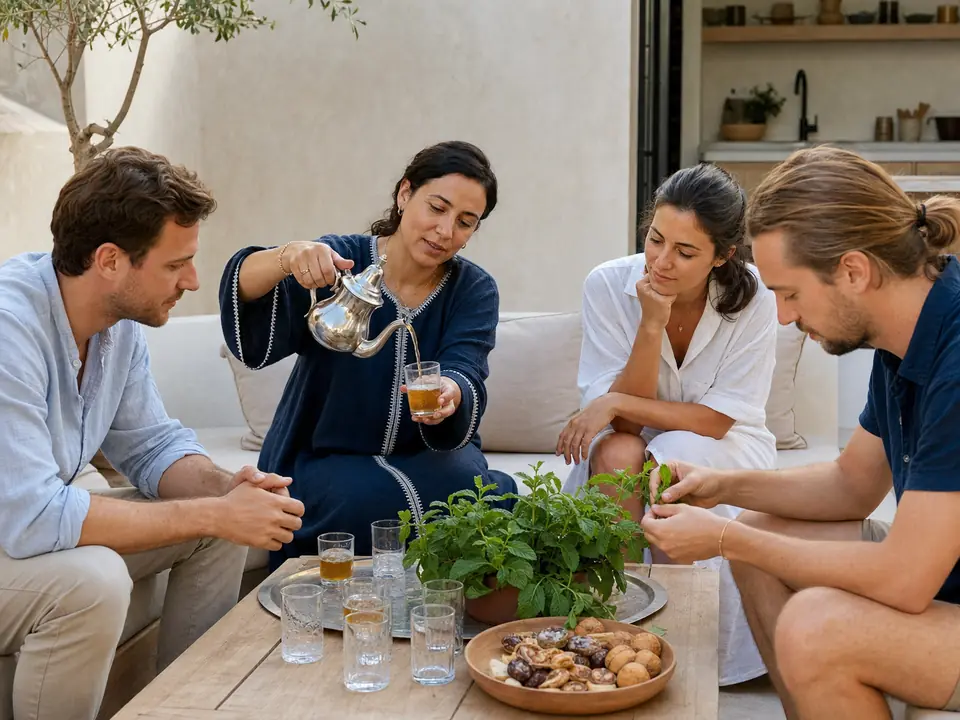
Metric & imperial
Converting Moroccan Recipes Between Metric and Imperial
Grams, ounces, cups and glasses — a practical conversion guide for Moroccan cooking.
Read the guideAnswers
Moroccan cooking: common questions
Do I need special equipment to cook Moroccan food?
No. A tagine pot and couscoussier are lovely but optional — a heavy lidded pot or Dutch oven braises a tagine just as well, and a steamer basket over a pot steams couscous. A compact spice collection matters far more than any special kit.
What spices do I need to start Moroccan cooking?
Begin with cumin, sweet paprika, ground ginger, turmeric and black pepper, plus cinnamon. These form the base of most tagines, soups and salads. Add coriander, saffron and ras el hanout as you branch out.
Is Moroccan food spicy?
It's warmly and aromatically spiced but generally mild in heat — the flavour comes from cumin, ginger, cinnamon and saffron, not chilli burn. Heat is usually added separately or served on the side, so it suits heat-averse cooks well.
Can I cook a tagine without a tagine pot?
Yes — a heavy lidded pot or Dutch oven braises the dish beautifully. Brown the meat, build the onion-and-spice base, add liquid, cover, and cook low and slow. The technique, not the pot, defines a tagine.
How do I make Moroccan food on a budget?
Lean on pulses (lentils, chickpeas, white beans), cheap braising cuts, seasonal vegetables and bread. An affordable spice collection is the secret — it transforms humble ingredients. Moroccan food is one of the world's great value cuisines.