Marrakech-Safi
Food in Marrakech
Street food, tanjia, tagines, spice markets, riad dining
- Population
- 1.3 million
- Region
- Marrakech-Safi
- Best time
- October to April
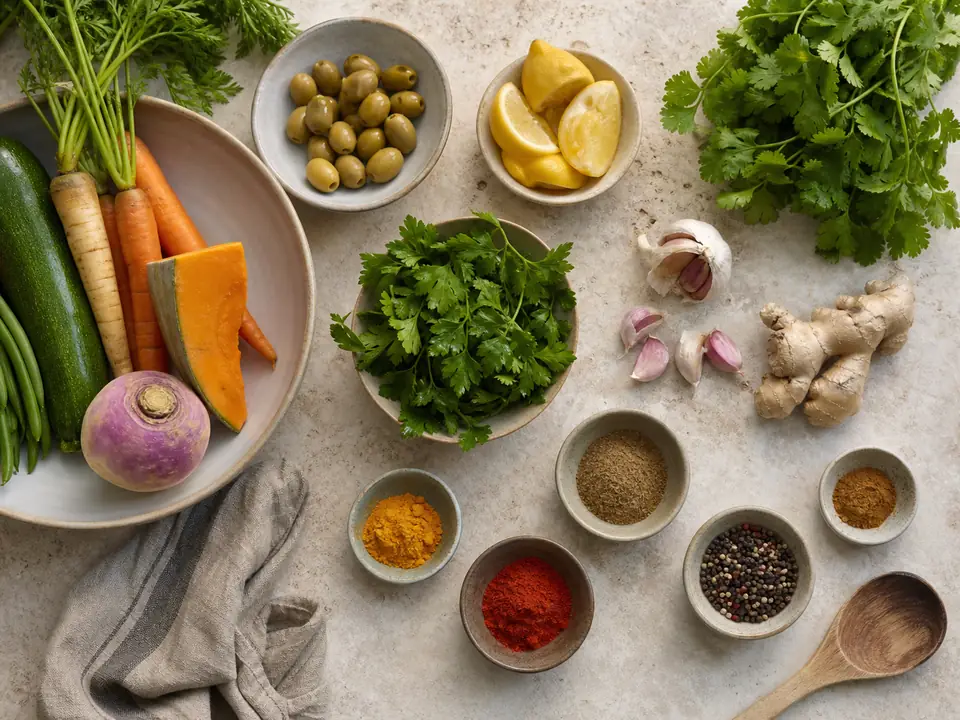
Marrakech is the undisputed culinary capital of Morocco and one of the most exciting food cities in Africa. Every narrow derb in the medina hides a discovery -- a hole-in-the-wall tagine stall where the pot has been simmering since dawn, a spice vendor whose family has blended ras el hanout for five generations, or a rooftop riad restaurant where French-trained chefs reinterpret Moroccan classics with seasonal produce from the Atlas foothills. The city's food culture is layered: Amazigh, Arab, Andalusian, Jewish and French influences have woven together over a thousand years to create a cuisine that is at once ancient and dynamic.
The beating heart of Marrakech's food scene is Jemaa el-Fna, the vast square that transforms each evening into the world's largest open-air restaurant. Smoke rises from dozens of identical-looking stalls serving grilled merguez, sheep-head soup, snail broth, freshly fried sardines and towering platters of couscous. But the city's food extends far beyond the square. In Gueliz, the Ville Nouvelle district, modern bistros serve everything from sushi-tagine fusions to natural-wine-paired tasting menus. In the Mellah, the old Jewish quarter, you can still taste pastilla made with pigeon and dusted with cinnamon sugar -- the sweet-savoury genius that defines Marrakchi cooking.
What sets Marrakech apart is access: cooking classes run daily in riads across the medina, morning market tours take you through the wholesale fruit and vegetable souk at Bab Doukkala, and spice shops in the kissarias will let you smell, taste and blend your own mixtures. Whether you are a first-time visitor or a returning food obsessive, Marrakech rewards curiosity at every turn.
Signature dishes of Marrakech
These are the dishes that define Marrakech's food identity -- the plates that locals are proud of and visitors should seek out.
Tanjia
Slow-cooked meat urn sealed with parchment and left in the hammam furnace ashes overnight -- Marrakech's bachelor stew and the city's most iconic dish.
Lamb tagine with prunes and almonds
Sweet-savoury tagine simmered with caramelised onions, cinnamon, saffron and toasted almonds. The definitive Marrakchi tagine.
Pigeon pastilla
Crispy warqa pastry layered with spiced pigeon, toasted almonds and dusted with cinnamon and powdered sugar. A festive centrepiece.
Tkaout (snail soup)
Small land snails simmered in a peppery anise-thyme broth, served in a bowl with a toothpick. A Jemaa el-Fna institution.
Tangia-style lamb shoulder
Whole lamb shoulder rubbed with preserved lemon, cumin and saffron, slow-roasted until it falls off the bone.
Msemen with amlou
Flaky square pancakes served at breakfast with amlou, the rich argan-oil-and-almond butter dip of southern Morocco.
Khobz (wood-fired bread)
Dense semolina-flour loaves baked in communal wood-fired ovens and used to scoop up every tagine, salad and dip.
Mechoui
Whole lamb slow-roasted in an underground clay pit until meltingly tender, served with cumin and salt. A feast dish.
Where to eat in Marrakech
Every city has its food neighbourhoods -- the streets, quarters and markets where locals eat and where you should too.
Jemaa el-Fna
Night-time street food stalls, fresh orange juice vendors, dried-fruit sellers. The theatrical heart of Marrakech eating.
Medina (Derb Dabachi & Riad Zitoun)
Hole-in-the-wall tagine joints, communal bakeries, traditional pastry shops and deep-medina riads with cooking classes.
Gueliz
Modern bistros, wine bars, patisseries and international restaurants in the Ville Nouvelle. Try Avenue Mohammed V and Rue de la Liberte.
Mellah (Jewish Quarter)
Pastilla specialists, dried fruit and nut vendors along Rue Riad Zitoun el-Jedid, and the spice souk at Place des Ferblantiers.
Bab Doukkala
Wholesale produce market, local tagine restaurants away from tourist crowds, and neighbourhood bakeries.
Sidi Ghanem
Industrial-chic district with concept cafes, roasteries and creative dining -- Marrakech's hipster food quarter.
The cooking identity of Marrakech
Marrakchi cooking is defined by its embrace of sweet-savoury combinations, its mastery of slow cooking and its generous use of spice. Ras el hanout -- the city's signature spice blend -- can contain up to thirty ingredients and varies from shop to shop. Tagines are the workhorse vessel, their conical lids trapping steam so meat and vegetables braise in their own juices with saffron, ginger and preserved lemon. The tanjia, by contrast, is an amphora-shaped clay pot unique to Marrakech: it's stuffed with beef or lamb, spices, preserved butter and lemon, sealed with parchment and buried in the dying embers of the hammam furnace to cook overnight. This is not restaurant food -- it is the cuisine of artisan guilds and bachelor gatherings, street food elevated to ritual.
Market guide
The souk experience in Marrakech is unmatched. Start at the olive and preserved-lemon stalls near Rahba Kedima (the old grain square), where vendors display pyramids of cracked green, black and purple olives. Move into the spice kissarias for saffron, cumin, turmeric and the all-important ras el hanout. The wholesale vegetable market at Bab Doukkala is where locals shop and prices are a fraction of the tourist souks -- arrive by 8am for the best produce. For meat, head to the Bab el-Khemis district where butchers display fresh lamb and beef, and nearby stalls sell preserved meats. Don't skip the dried-fruit-and-nut alley near Place des Ferblantiers, where you can buy Medjool dates, walnuts and almonds by the kilo.
Best time to visit for food
October to April -- mild weather, peak citrus and olive season, and comfortable temperatures for exploring the souks and eating outdoors.
Food tips for Marrakech
- Eat at Jemaa el-Fna stalls with the longest local queues -- locals know which pots have been simmering since morning.
- Book a morning market-to-table cooking class so you shop the souks, then cook and eat what you've bought.
- Carry small change (5 and 10 MAD coins) for street-food purchases; most stalls don't accept cards.
- Ask for tanjia at mechaoui joints near Jemaa el-Fna -- it's made to order and takes 6-8 hours, so order in the morning for an evening pick-up.
- Try amlou (argan butter) at breakfast -- many riads serve it with msemen or baghrir pancakes.
- Avoid eating only in the medina. Gueliz and Sidi Ghanem have some of the city's best modern restaurants and natural-wine spots.
Frequently asked questions about food in Marrakech
What is the must-try dish in Marrakech?
Tanjia -- the city's signature slow-cooked meat urn. It is unique to Marrakech and you cannot find the authentic version anywhere else in Morocco. Order it from a mechaoui stall in the medina for the traditional experience.
Is the street food at Jemaa el-Fna safe to eat?
Yes, millions eat there every year. Choose stalls with high turnover and a visible crowd of locals. The food is freshly cooked at high heat. Avoid pre-cut fruit and raw salads if your stomach is sensitive.
How much does a typical meal cost in Marrakech?
Street food at Jemaa el-Fna costs 20-40 MAD per dish (roughly 2-4 USD). A full tagine lunch in a local restaurant is 50-80 MAD. Upscale riad dining ranges from 200-600 MAD per person.
Can I take a cooking class in Marrakech?
Absolutely. Marrakech is the cooking-class capital of Morocco. Dozens of riads and schools offer half-day and full-day classes that include a guided market tour, hands-on cooking of 3-5 dishes and a shared meal. Every class is priced by a free custom quote from our team, confirmed by email within 24 hours.
What food should I bring home from Marrakech?
Ras el hanout spice blend, saffron threads, argan oil, preserved lemons, dried roses, amlou (almond-argan butter) and Medjool dates all travel well. Buy spices from the kissarias in the medina and ask vendors to vacuum-seal them.
Is Marrakech food very spicy?
Moroccan food is richly spiced but rarely hot-spicy. The emphasis is on warmth (cumin, ginger, cinnamon, saffron) rather than chilli heat. Harissa is served on the side so you can add heat to taste.