Ingredients & Pantry
The Moroccan pantry, ingredient by ingredient
Beyond the spice souk lies the everyday Moroccan larder — the salt-cured lemons and olives, the toasted argan oil and honey, the couscous and pulses, the dates and almonds, the fresh herbs and gunpowder tea. Here is what each staple is, how Marrakchi cooks use it, and how to choose, store and buy it well. 16 pantry guides and growing.
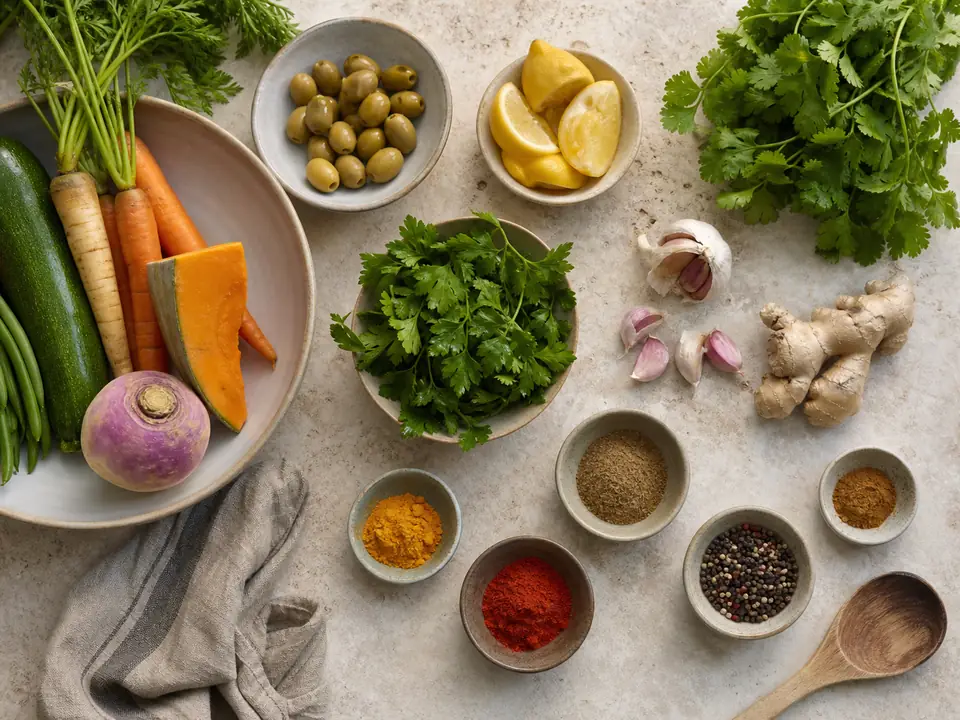
Preserves & condiments
The salt-cured, brined and fermented staples — preserved lemons, olives, smen and harissa — that give Moroccan food its savoury backbone.
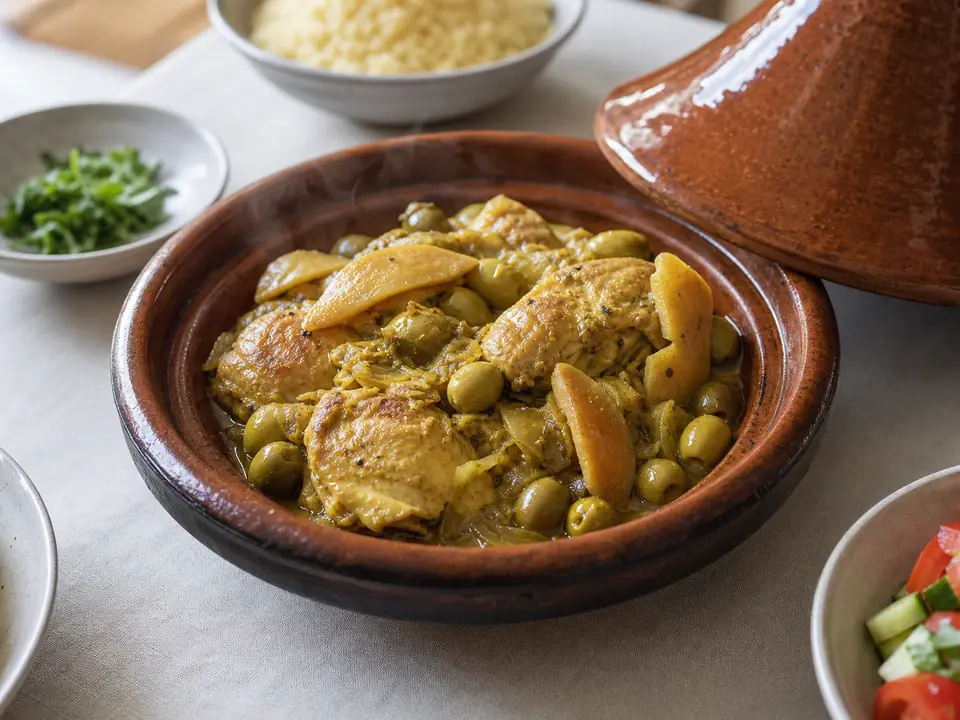
Preserves & condiments
Preserved Lemons
Salt-cured lemons — the sharp, mellow backbone of Moroccan tagines
Read guide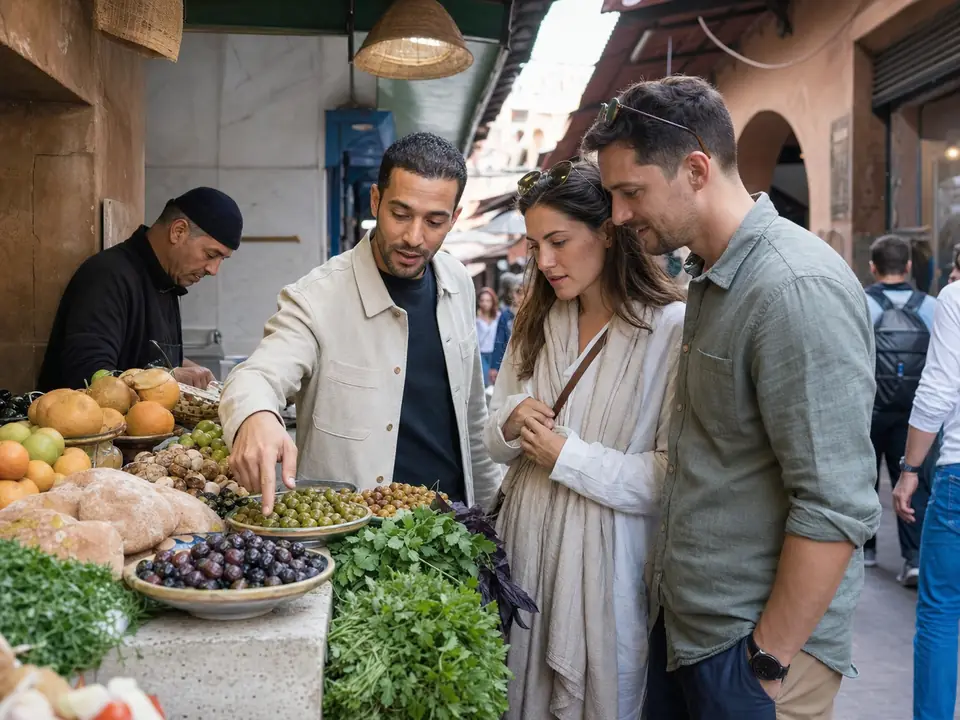
Preserves & condiments
Moroccan Olives
Cracked green, meslalla, violet and oil-cured black — the souk's glistening pyramids
Read guide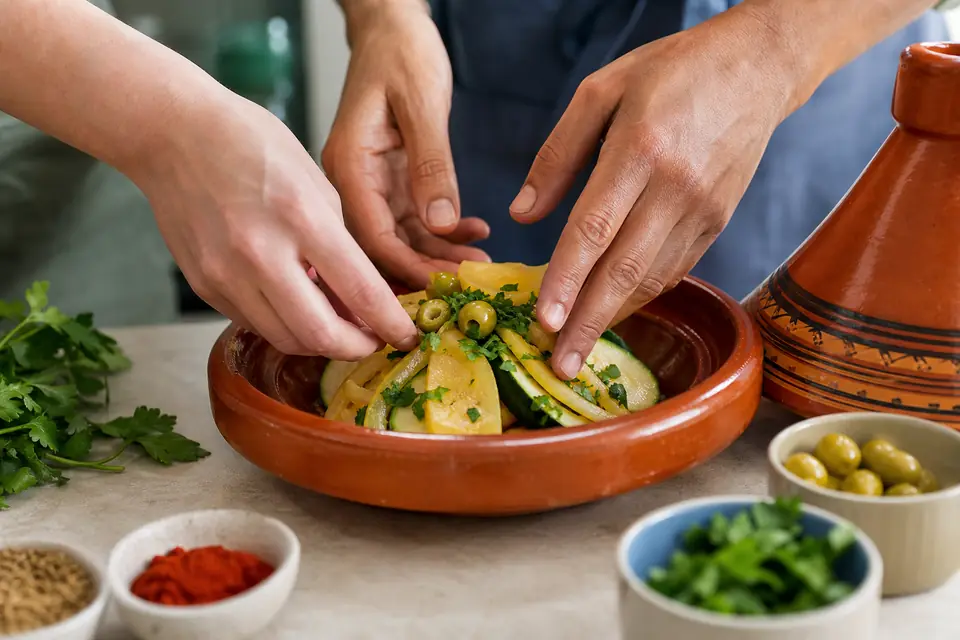
Preserves & condiments
Smen (Preserved Butter)
Aged, salted, fermented butter — Morocco's funky, cheese-like depth-charge
Read guide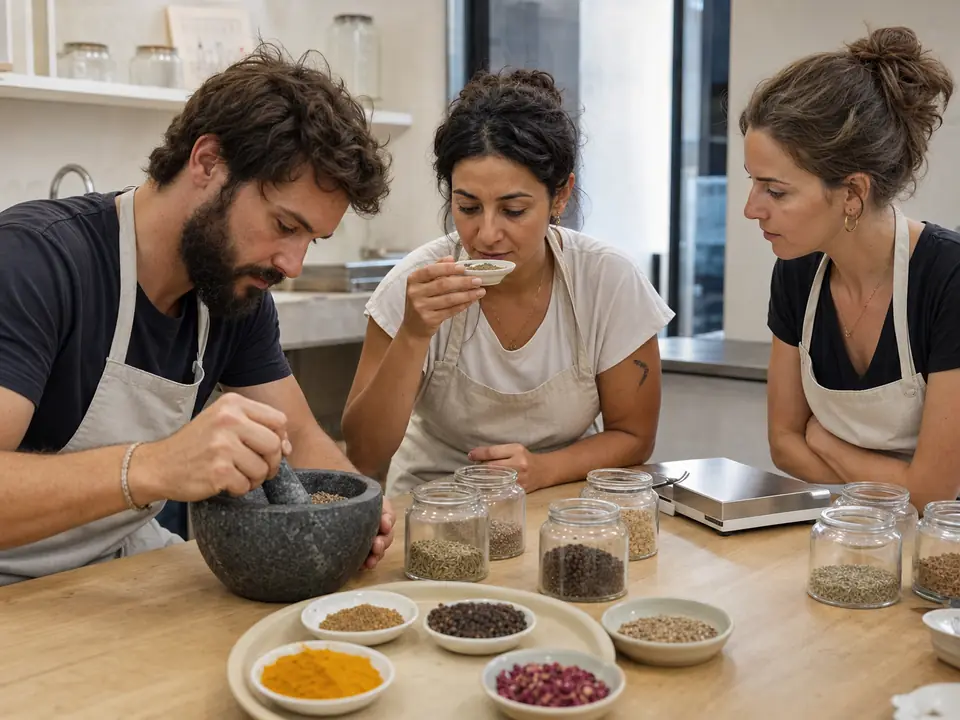
Preserves & condiments
Harissa Paste
The Maghreb chilli paste — a table condiment, not a Moroccan base flavour
Read guideOils, fats & spreads
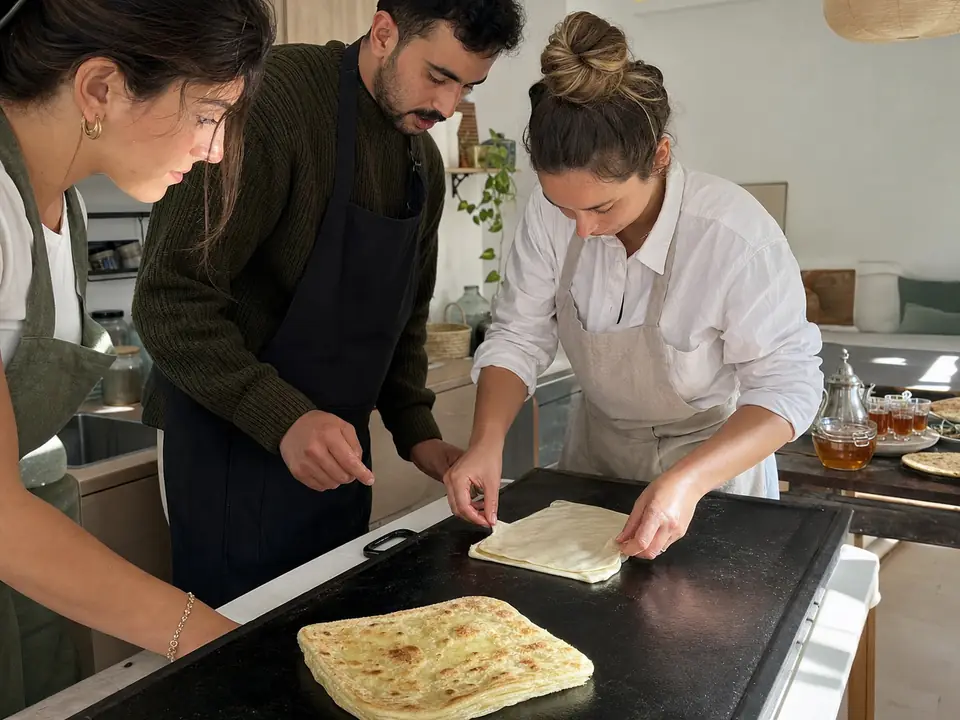
Toasted culinary argan oil and the almond-argan-honey spread amlou: the Souss region's edible treasures.

Sweeteners, nuts & dried fruit
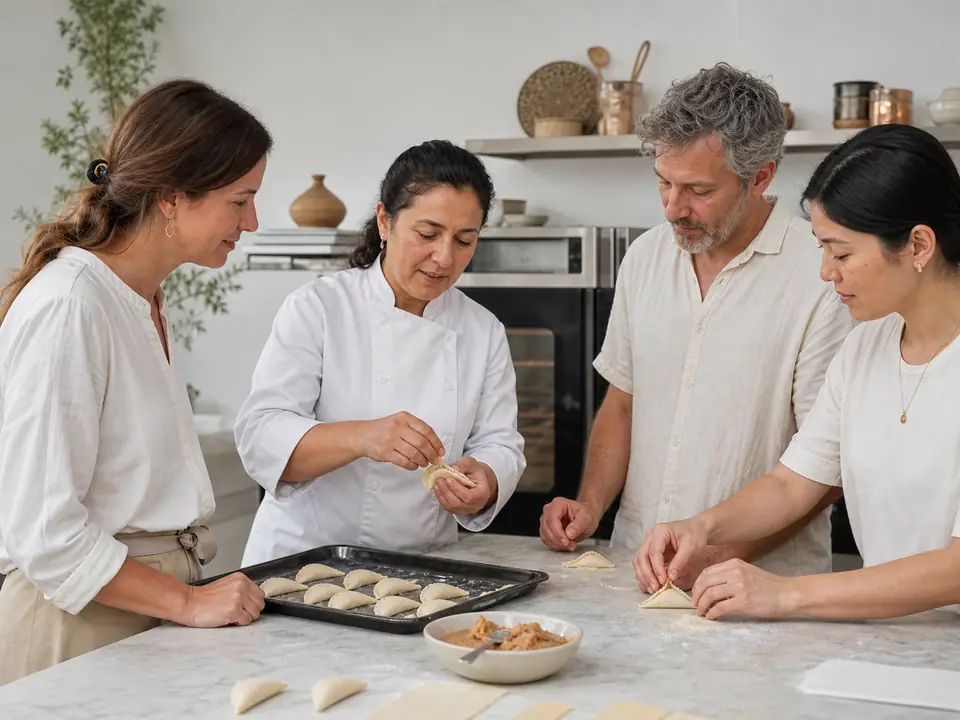
Monofloral honeys, oasis dates, almonds and the glossy pyramids of dried fruit and nuts that sweeten tagines and fill the pastries.
Sweeteners, nuts & dried fruit
Moroccan Honey
From tingling euphorbia to orange-blossom and thyme — Morocco's monofloral honeys
Read guide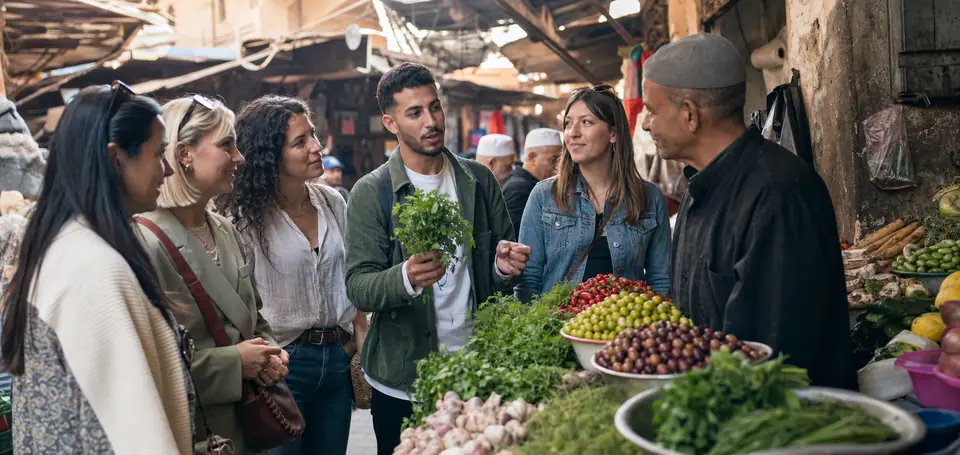
Sweeteners, nuts & dried fruit
Moroccan Dates
From Mejhoul to everyday Boufeggous — the fruit of the southern oases
Read guide Sweeteners, nuts & dried fruit
Almonds
Fried to garnish tagines, ground for pastries — Morocco's essential nut
Read guide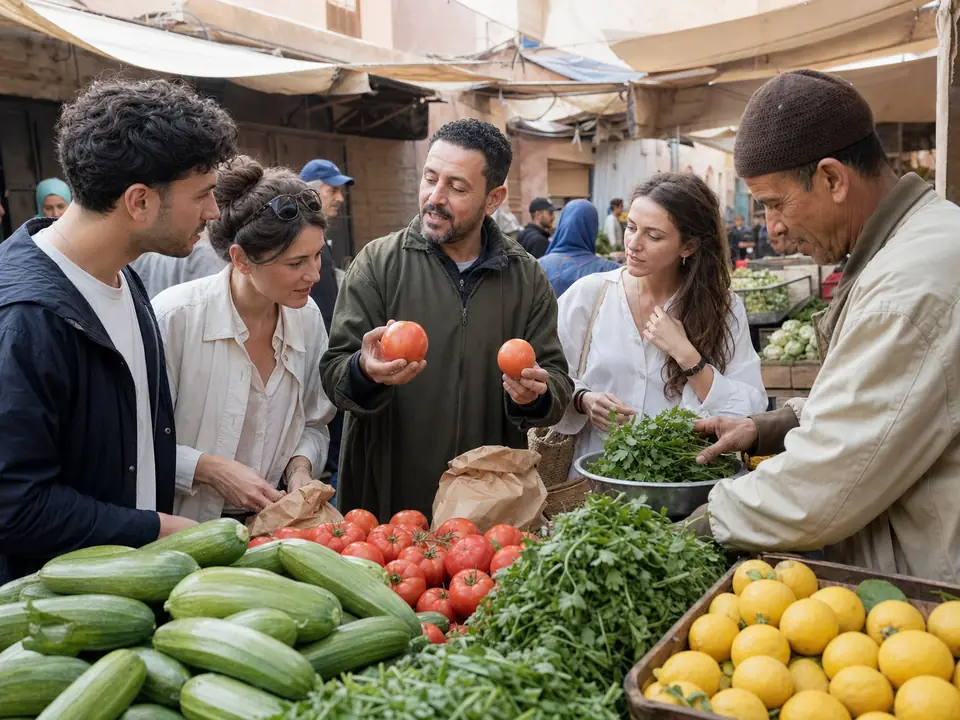
Sweeteners, nuts & dried fruit
Dried Fruit & Nuts
Prunes, apricots, figs, raisins, walnuts and pistachios — the fakya spread
Read guideGrains, flour & pulses
The everyday base of the table — semolina and couscous, the flours behind daily bread, and the chickpeas and lentils that anchor the soup pot.
Grains, flour & pulses
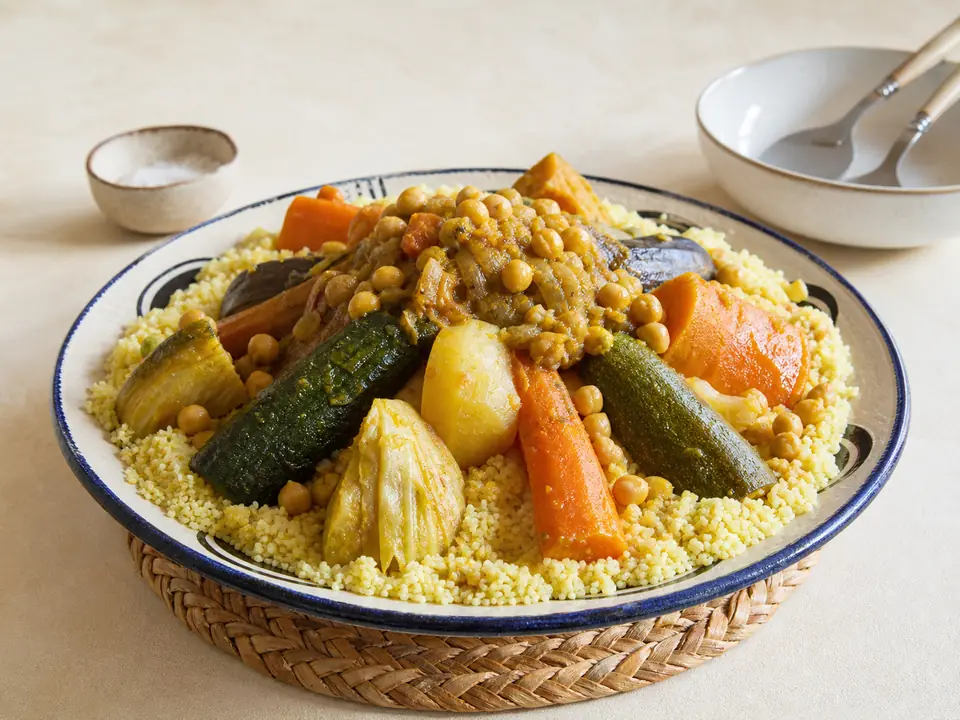
Semolina & Couscous Grain
Durum semolina in three grades — and the hand-rolled grain that defines Friday
Read guide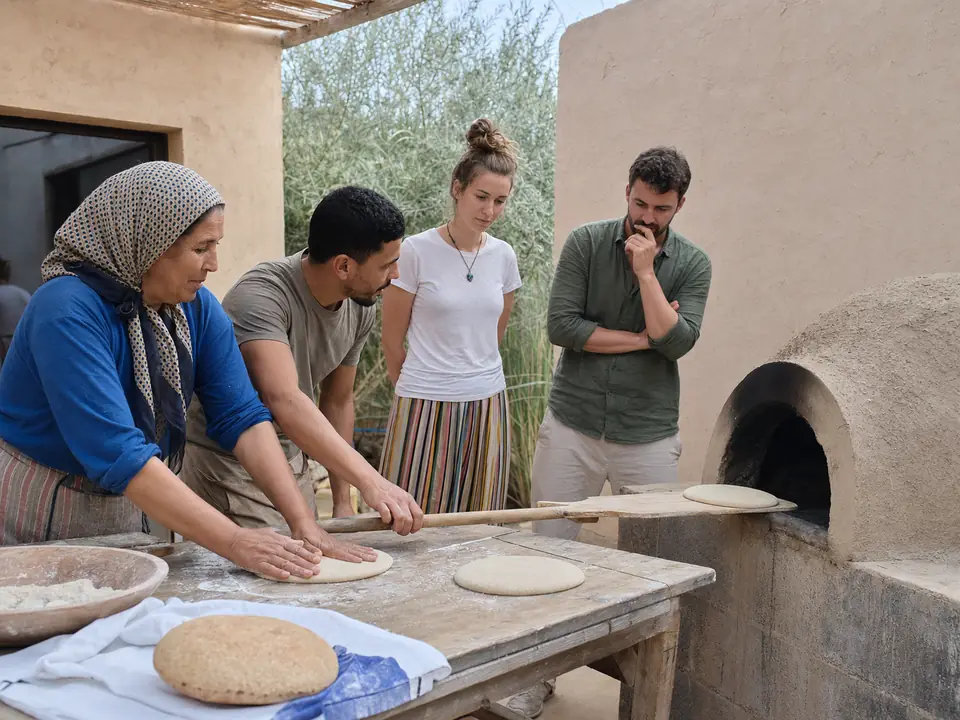
Grains, flour & pulses
Moroccan Bread Flour
Soft wheat, whole wheat, durum and barley — the flours behind daily khobz
Read guide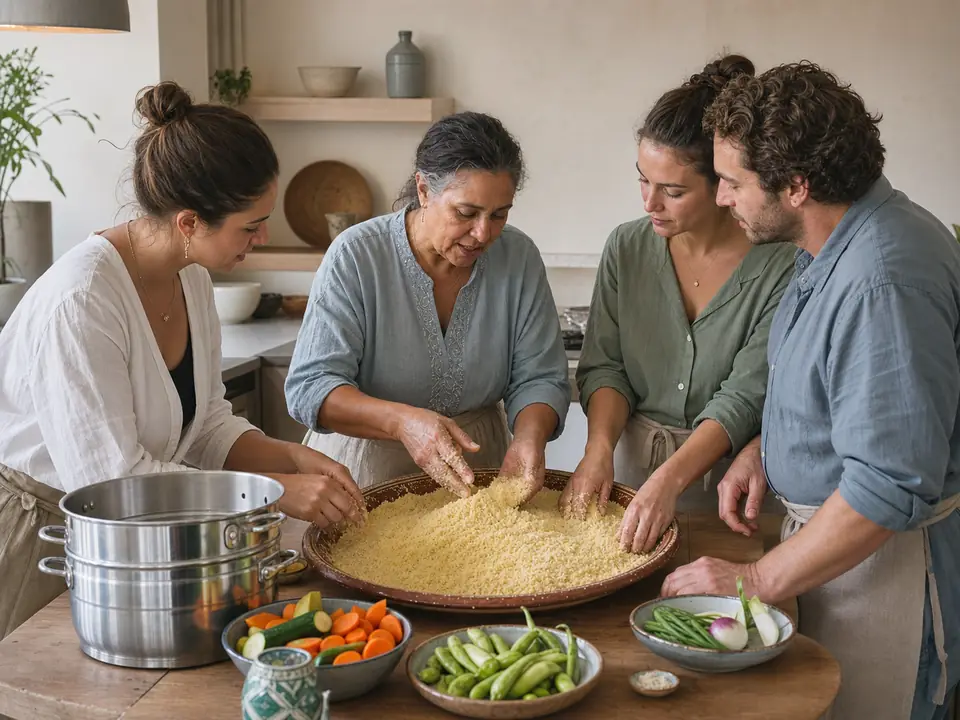
Grains, flour & pulses
Chickpeas & Pulses
Chickpeas, white beans, lentils and split favas — the protein of the everyday pot
Read guideFresh, floral & tea
Bought fresh and daily — the coriander-parsley-mint trinity, distilled floral waters, and the gunpowder green tea behind every glass of atay.
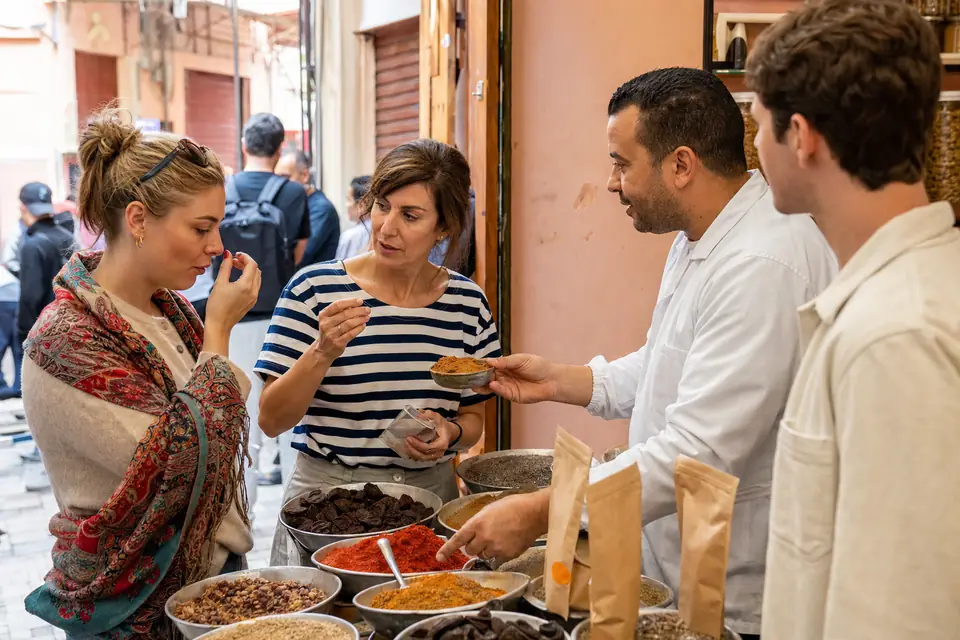
Fresh, floral & tea
Fresh Herbs (Coriander, Parsley & Mint)
The green trinity — the herb bunch that flavours the pot and the teapot
Read guide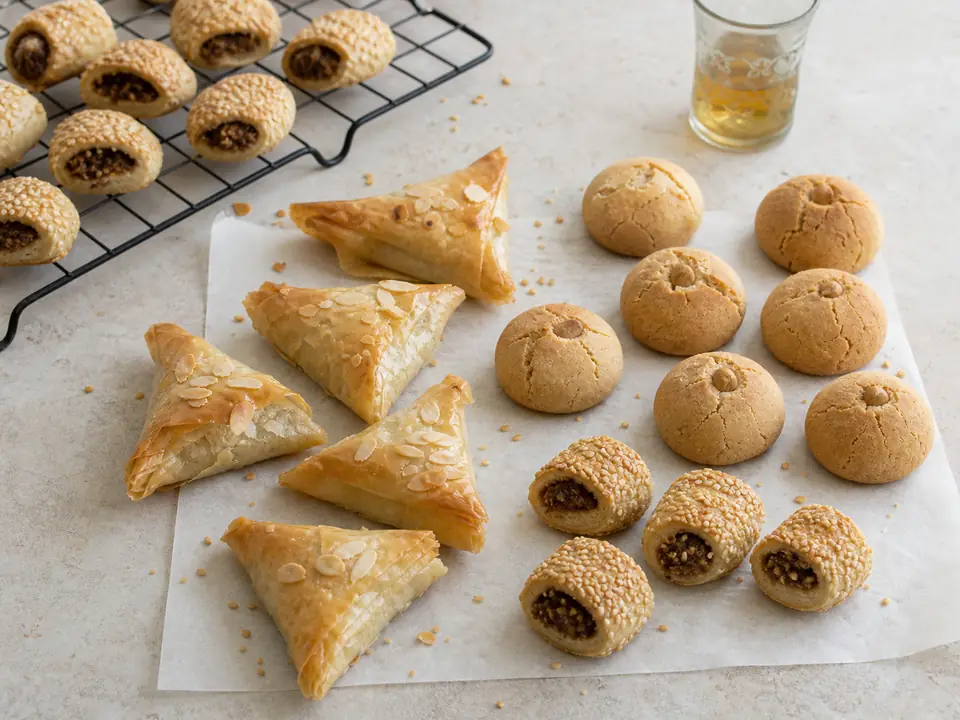
Fresh, floral & tea
Orange-Blossom & Rose Water
Distilled floral waters — the perfume in the pastries and the guest's welcome
Read guide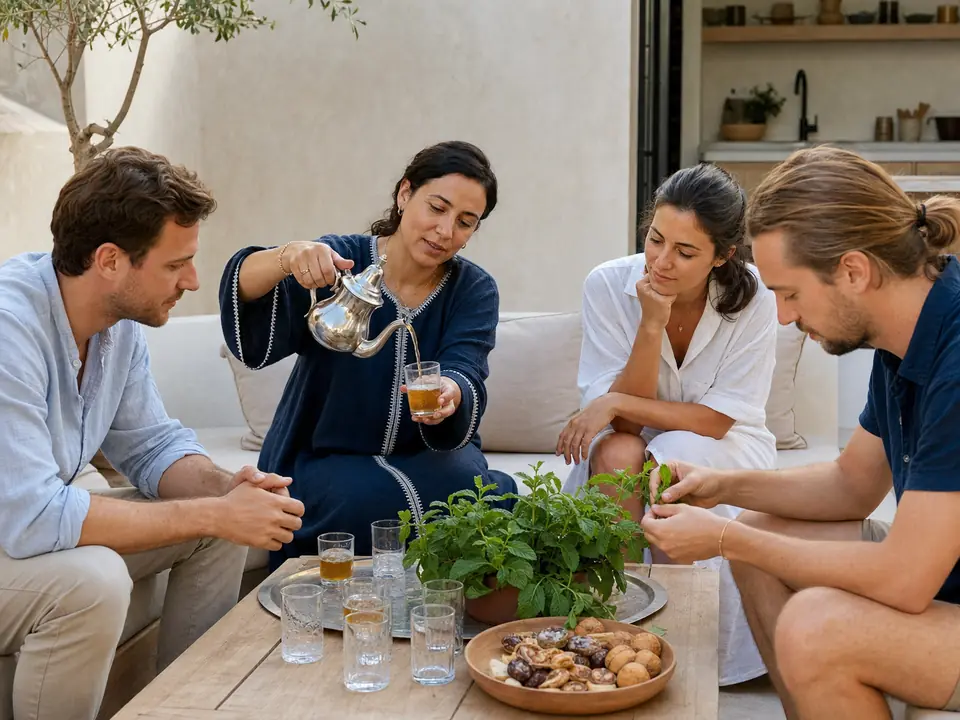
Fresh, floral & tea
Gunpowder Green Tea
The rolled green pellets behind every glass of Moroccan mint tea
Read guideAnswers
About the pantry guides
What is the difference between these ingredient guides and the spice pages?
This pillar covers the staples and produce of the Moroccan larder — preserves, oils, grains, pulses, nuts, dried fruit, honey, floral waters and tea leaves — the things you keep in the cupboard and fridge. Our Moroccan spices pages cover the seasonings: the dried spices, blends and aromatics of the spice souk. The two are companions, and each entry links across to the other where they overlap.
Where do I buy these ingredients in Marrakech?
Each guide tells you which souk or market corner to head for and what to look for — the olive souk for olives and preserved lemons, the dried-fruit stalls for dates, almonds and nuts, the grain sellers for couscous, semolina, flour and pulses, and honey-and-argan stalls for honey, argan oil and amlou. None of the guides invent prices; they teach you how to judge quality and buy well.
Do the guides tell me how to store and substitute each ingredient?
Yes. Every ingredient page covers what it is, how it is used in Moroccan cooking, how to choose and store it, how to buy it in Marrakech, and what to reach for as a substitute if you cannot find it — plus links to the recipes, markets and spices that use it.