Fes-Meknes
Food in Fes
Fassi haute cuisine, pastilla, rfissa, trid, ancient food traditions
- Population
- 1.2 million
- Region
- Fes-Meknes
- Best time
- March to May and September to November
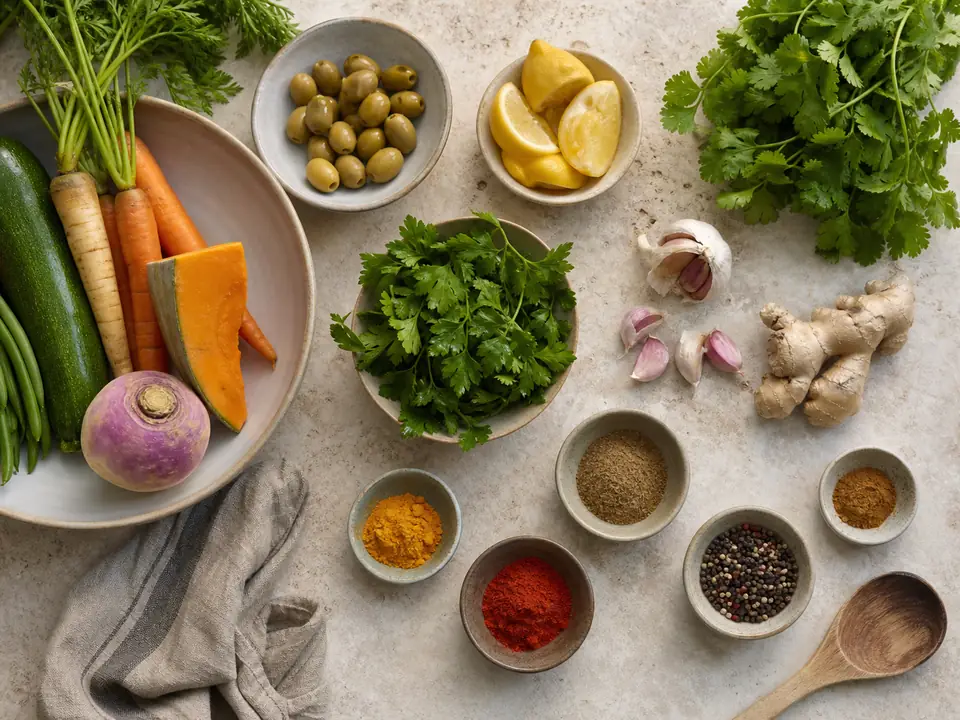
Fes is the spiritual and gastronomic capital of Morocco. While Marrakech dazzles with spectacle, Fes quietly holds the deeper culinary tradition. The city's cuisine -- known as fassi cooking -- is considered the most refined in the country, a legacy of Andalusian refugees who brought sophisticated court cooking to the medina in the 13th century. Fassi families guard recipes that have been passed down for generations, and dishes like pastilla, rfissa and mrouzia have remained virtually unchanged for centuries. To eat in Fes is to taste living history.
Fes el-Bali, the ancient medina and the world's largest car-free urban area, is a labyrinth of food discoveries. Every neighbourhood has its own communal bakery where locals bring dough to be baked in wood-fired ovens, its own butcher, its own vegetable seller. The fondouks -- historic caravanserais -- have been converted into intimate restaurants where you eat on low cushions in tiled courtyards. Fassi cooking favours complexity: a single tagine might combine saffron, preserved lemon, olives, honey, ginger and a dozen other aromatics in precise balance. The pastilla, Fes's crowning glory, layers shredded pigeon or chicken with sweetened almonds, eggs and warqa pastry, then dusts the whole creation with cinnamon and sugar.
Beyond the medina, the Ville Nouvelle (especially Rue Ahmed Chaouki and Avenue Hassan II) has evolved into a dining corridor with modern Moroccan restaurants, excellent patisseries and cafes. But the soul of Fes food remains in the old city, where home cooks produce some of the finest food you will eat anywhere in the world.
Signature dishes of Fes
These are the dishes that define Fes's food identity -- the plates that locals are proud of and visitors should seek out.
Pastilla (bastilla)
The crown jewel of fassi cuisine: layers of crispy warqa pastry, spiced pigeon or chicken, sweetened almonds, eggs and cinnamon-sugar dust. Sweet, savoury, crunchy and silky all at once.
Rfissa
Torn msemen flatbread layered with lentils and shredded chicken in a fenugreek-saffron broth. A celebration dish traditionally served to new mothers.
Trid
Paper-thin sheets of steamed pastry layered with chicken and caramelised onion sauce -- Fes's answer to pasta.
Mrouzia
Sweet lamb tagine with honey, raisins, ras el hanout and toasted almonds. The quintessential Eid al-Adha dish.
Seffa medfouna
Vermicelli or couscous mounded over braised chicken, topped with cinnamon, powdered sugar and almonds. A festive fassi centrepiece.
Khlii
Preserved dried meat (similar to confit) cooked in beef fat and spices. Used in eggs, msemen and as a condiment year-round.
Harira
The classic Ramadan soup of tomato, lentils, chickpeas, celery and coriander. Fes's version is considered the definitive recipe.
Where to eat in Fes
Every city has its food neighbourhoods -- the streets, quarters and markets where locals eat and where you should too.
Talaa Kebira
The main artery of Fes el-Bali -- lined with street-food vendors, nut roasters, honey sellers and small tagine restaurants.
Rcif
Lively square with bakeries, juice bars, and the famous grilled-kefta stalls. The best place for an inexpensive fassi lunch.
Bou Jeloud
Near the Blue Gate -- tourist-friendly rooftop restaurants with medina views, plus more authentic spots on side streets.
Ain Azliten
Residential neighbourhood with some of the best home-style cooking restaurants in the city, far from tourist traffic.
Ville Nouvelle (Rue Ahmed Chaouki)
Modern patisseries, French-Moroccan bistros and upscale dining. Try the almond pastries at the corner patisseries.
The cooking identity of Fes
Fassi cuisine is the haute cuisine of Morocco -- precise, layered and deeply aromatic. Where Marrakchi cooking leans toward bold contrasts, fassi cooking pursues harmony. A tagine in Fes might take two days to prepare: the meat is marinated overnight, the onions are caramelised for hours until they become a dark amber jam, and the spice proportions follow exact family formulas. The warqa pastry used for pastilla requires extraordinary skill -- dough is dabbed onto a hot copper pan to build paper-thin sheets that shatter when baked. Fassi cooks use fenugreek more than any other regional kitchen, and their harira (the soup that breaks the Ramadan fast) is richer and more complex than versions found elsewhere.
Market guide
Fes el-Bali is itself one giant market. For spices, head to the Attarine souk near the Karaouiyine Mosque -- saffron, cumin, turmeric and the locally favoured fenugreek line the stalls. The honey sellers along Talaa Sghira offer wild thyme honey from the Middle Atlas and aromatic eucalyptus honey. For olives and preserved lemons, the stalls at Rcif square have the best selection. The leather tanneries (Chouara) are worth visiting not for food but for the spectacle, and you can reward yourself afterward at the dried-fruit vendors nearby. For wholesale produce, the market at Bab Boujloud is where locals shop at dawn.
Best time to visit for food
March to May and September to November -- comfortable temperatures for walking the medina, and spring brings fresh fava beans, artichokes and herbs to the markets.
Food tips for Fes
- Ask your riad host to arrange a home-cooking meal with a fassi family -- this is how you taste the real cuisine of Fes.
- Order pastilla a day in advance at traditional restaurants -- the best versions are made to order, not pre-prepared.
- Visit a communal bakery (ferran) in the medina early morning to watch locals bring their dough and tagine pots for baking.
- Don't skip rfissa -- it's less famous than pastilla but equally remarkable and deeply comforting.
- Hire a local guide for a food-focused medina walk; the medina is vast and easy to get lost in without orientation.
Frequently asked questions about food in Fes
What makes Fes food different from Marrakech food?
Fassi cuisine is more refined, complex and sweet-leaning. It descends from Andalusian court cooking and favours layered techniques like pastilla-making and slow-caramelised onion tagines. Marrakech food is bolder and more street-oriented; Fes food is home-centred and ceremonial.
Where should I eat in Fes medina?
For authentic fassi cooking, seek out small family-run restaurants inside Fes el-Bali, especially along Talaa Kebira and in the Ain Azliten neighbourhood. Fondouk-style restaurants in restored riads offer more upscale experiences. Avoid the most tourist-heavy rooftop spots near Bou Jeloud for food quality.
Can I take a cooking class in Fes?
Yes. Several riads and dedicated schools offer half-day cooking classes that include a guided market tour in Fes el-Bali, instruction in tagine, pastilla or couscous preparation, and a shared meal. Classes are priced by a free custom quote from our team, confirmed by email within 24 hours.
What is khlii?
Khlii is Fes's traditional preserved dried meat. Strips of beef are seasoned with cumin, coriander and garlic, air-dried, then cooked and preserved in rendered fat. It keeps for months and is used in scrambled eggs, msemen or eaten as a condiment. It's Morocco's equivalent of confit.
Is Fes good for vegetarian food?
Fassi cuisine is heavily meat-centred, but vegetarian options exist. Harira soup, zaalouk (aubergine salad), bessara (fava bean soup), lentil tagine and vegetable couscous are widely available. Ask cooking-class hosts to adapt menus for vegetarians.