Tanger-Tetouan-Al Hoceima
Food in Chefchaouen
Rif mountain cuisine, goat cheese (jben), fresh herbs, farm-to-table simplicity
- Population
- 45,000
- Region
- Tanger-Tetouan-Al Hoceima
- Best time
- April to June and September to October
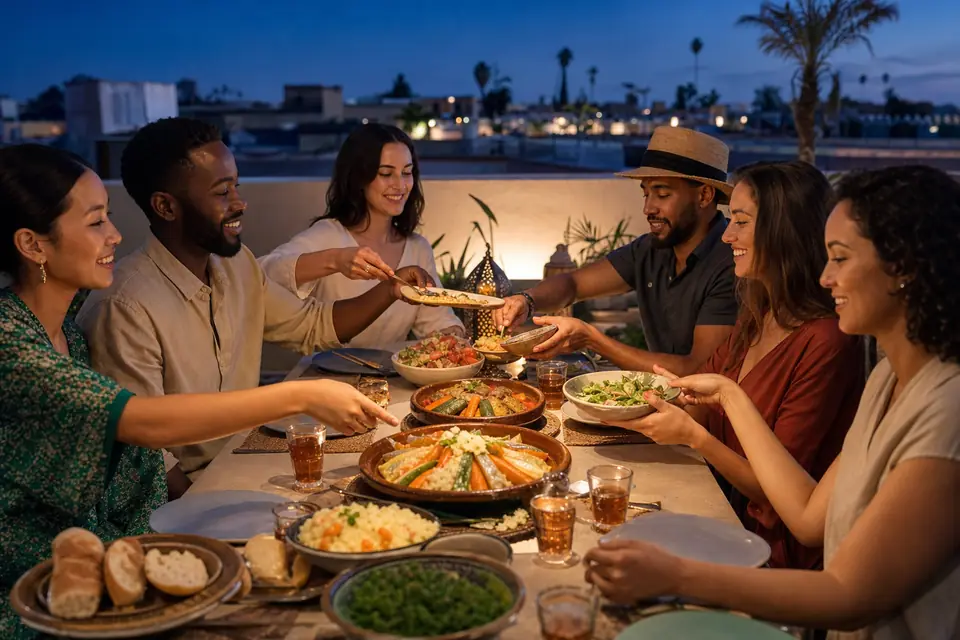
Chefchaouen, the famous Blue City nestled in the Rif Mountains, offers a food experience completely unlike anywhere else in Morocco. The cuisine here is Riffian -- Amazigh mountain cooking shaped by cool altitude, abundant water and the terraced farms that cling to the hillsides above town. Ingredients are hyper-local: goat cheese made that morning, wild thyme and oregano gathered from the slopes, honey from Rif beekeepers, olive oil from family groves, and bread baked in wood-fired ovens built into the hillside. The food is simpler than in Marrakech or Fes, but it is also purer -- a direct expression of mountain terroir.
Chefchaouen is arguably the best city in Morocco for vegetarian and plant-forward eating. The surrounding hills produce excellent vegetables, herbs and fruits, and the Rif's Amazigh cooking tradition has always included more vegetable dishes than the meat-heavy urban cuisines of the imperial cities. You will find exceptional bissara (fava bean soup), lentil dishes, wild-herb salads and vegetable tagines seasoned with nothing more than olive oil, garlic and mountain herbs.
The medina is tiny and entirely walkable, with blue-painted alleyways opening onto small squares where restaurants set up outdoor tables. Place Uta el-Hammam, the main square, is the dining hub, but the best food is often found in the small family-run restaurants on the quieter streets above and below the square.
Signature dishes of Chefchaouen
These are the dishes that define Chefchaouen's food identity -- the plates that locals are proud of and visitors should seek out.
Jben (fresh goat cheese)
Soft, tangy fresh goat cheese made in the Rif Mountains. Eaten at breakfast with bread and olive oil, or crumbled over salads.
Bissara
Thick fava bean soup drizzled with olive oil and dusted with cumin. Served for breakfast or as a warming afternoon snack -- Chefchaouen's comfort food.
Goat tagine with prunes
Mountain goat slow-cooked with prunes, almonds and cinnamon. The Riffian answer to lamb tagine.
Fried trout
Fresh trout from Rif streams, simply fried with salt and lemon. Available at restaurants near the Ras el-Maa waterfall.
Wild-herb omelette
Eggs cooked with foraged mountain herbs, tomatoes and Chefchaouen's own olive oil. A simple, perfect breakfast.
Khobz dial el-ferran
Dense, crusty bread baked in the communal wood-fired oven. Every family brings their dough; every loaf tastes different.
Where to eat in Chefchaouen
Every city has its food neighbourhoods -- the streets, quarters and markets where locals eat and where you should too.
Place Uta el-Hammam
The main medina square, surrounded by cafes and restaurants with rooftop terraces overlooking the Kasbah.
Ras el-Maa
The cascade at the medina's edge where locals gather. Nearby restaurants serve trout and mountain-herb dishes.
Upper medina streets
Quieter, steeper alleys above the main square where family-run restaurants serve home-style Riffian cooking.
The cooking identity of Chefchaouen
Riffian cuisine is mountain food: hearty, herbal and ingredient-driven. Tagines are cooked with goat rather than lamb, seasoned with wild thyme, oregano and bay leaves gathered from the hillsides. Olive oil is the fat of choice (butter is used less than in the cities). Bread is baked daily in communal wood-fired ovens and is the centrepiece of every meal. Cheese-making is a living tradition -- jben is made fresh each morning and eaten within hours. The cooking is simpler than fassi or Marrakchi traditions, but it carries the unmistakable flavour of its terroir.
Market guide
Chefchaouen's small medina souk has stalls selling local goat cheese, olives, honey, dried herbs and spices. The quality is high and prices are lower than in Marrakech. For the freshest jben, buy from women who carry baskets of cheese into the medina each morning. The Thursday market outside the medina walls is where farmers from the surrounding villages sell produce, olives and livestock.
Best time to visit for food
April to June and September to October -- pleasant mountain weather, wildflowers in spring, and the harvest season in autumn.
Food tips for Chefchaouen
- Buy fresh jben (goat cheese) early in the morning from women carrying baskets in the medina -- it's at its best within hours of making.
- Eat at the smaller restaurants above Place Uta el-Hammam for better food and lower prices than the touristy terraces on the square.
- Try bissara for breakfast -- it costs just 5-10 MAD for a bowl and is uniquely good in the Rif.
- Walk to Ras el-Maa for fried trout in a beautiful waterside setting.
- Bring cash; many small restaurants don't accept cards.
Frequently asked questions about food in Chefchaouen
What is Chefchaouen known for food-wise?
Chefchaouen is known for Riffian mountain cuisine: fresh goat cheese (jben), goat tagines, bissara (fava bean soup), wild herbs, locally pressed olive oil and bread baked in communal wood-fired ovens. The food is simpler and more farm-to-table than in Morocco's larger cities.
Is Chefchaouen good for vegetarians?
Yes -- it's arguably the best city in Morocco for vegetarian food. Abundant vegetables, herbs, olive oil, goat cheese and pulse-based dishes like bissara make it easy to eat well without meat.
How much does food cost in Chefchaouen?
Chefchaouen is one of Morocco's most affordable cities for eating. A tagine at a local restaurant costs 35-60 MAD, bissara is 5-10 MAD, and a full meal at a mid-range restaurant is 60-100 MAD per person.
Can I take a cooking class in Chefchaouen?
A few guesthouses and local guides offer cooking classes, though options are more limited than in Marrakech. Classes typically focus on tagines, couscous and bread-making. Ask at your accommodation.
What is jben?
Jben is fresh soft goat cheese, a staple of Rif Mountain cuisine. It is made daily by local women, has a tangy, mild flavour and is eaten at breakfast with bread and olive oil, or crumbled over salads and tagines.