Moroccan cooking tips & how-to guides
Page 3 of 5 · Showing tips 49–72 of 113
How to do it
Techniques
The core skills — seasoning a tagine, steaming couscous, preserving lemons, folding msemen, brewing mint tea and more.
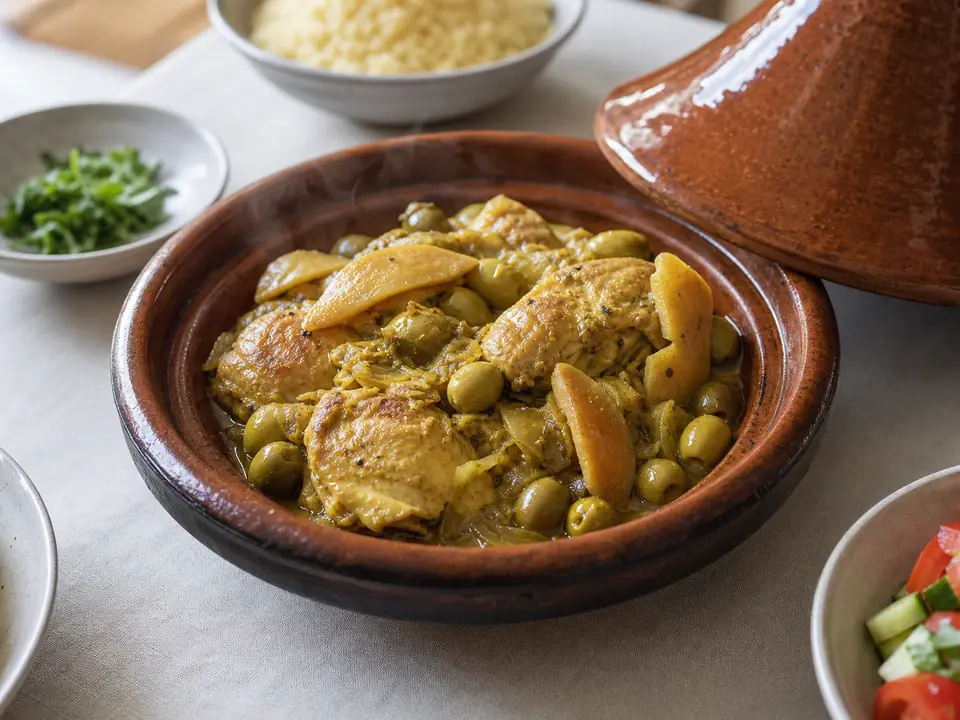
Toast nuts
How to Toast Nuts for Moroccan Garnishes
Golden, fragrant almonds, sesame and walnuts — the finishing touch that lifts a tagine.
Read the guide Rehydrate dried ingredients
How to Rehydrate Dried Ingredients for Moroccan Cooking
Soaking, simmering and steaming — how to bring dried foods back to life properly.
Read the guide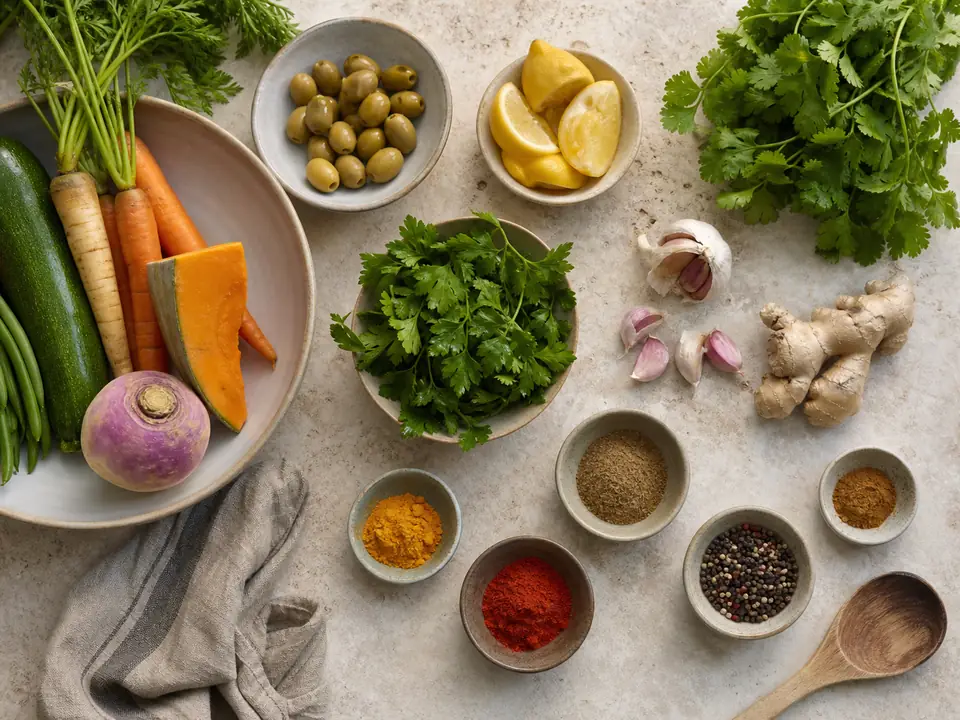
Rest & serve tagine
How to Rest and Serve a Tagine Properly
The five minutes after cooking that make the difference — resting, garnishing, presenting.
Read the guide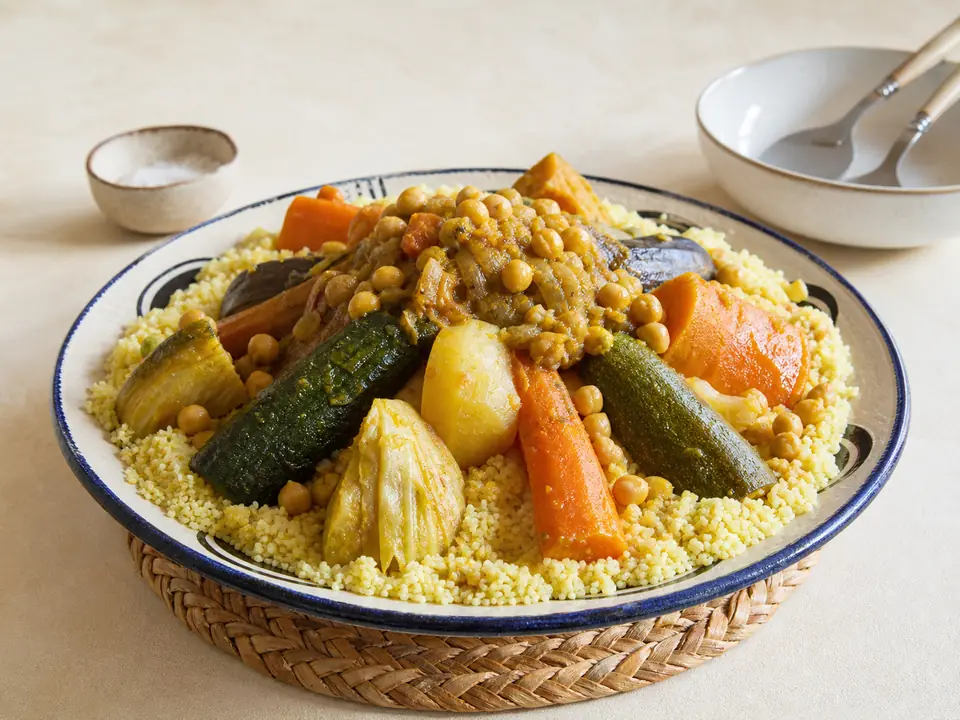
Bread hydration
Bread Dough Hydration for Moroccan Breads
Why khobz, msemen and harcha all need different hydration — and how to get the texture right.
Read the guideWhat to buy
Ingredients
Choosing the good stuff — olives, preserved lemons, saffron, dates, argan oil, lamb cuts and the rest of the Moroccan larder.
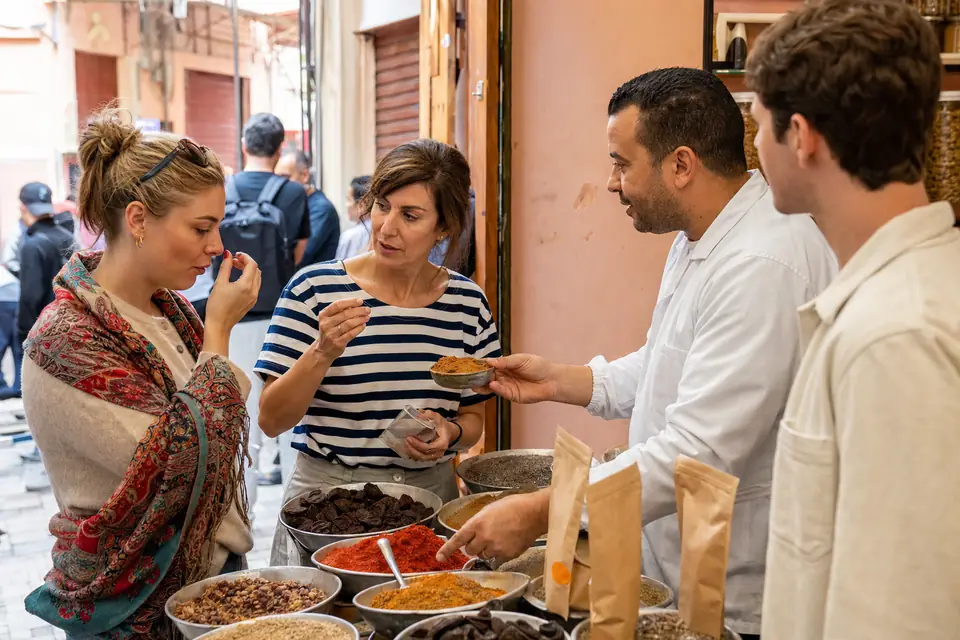
Olives
The Best Olives for Moroccan Cooking
Which olives go in a tagine, which go in a salad — meaty greens, purple and beldi.
Read the guide Choose preserved lemons
How to Choose Preserved Lemons
What to look for when buying — soft translucent rind, clean brine, no mush.
Read the guide Culinary argan oil
Buying Culinary Argan Oil
Toasted, nutty and food-grade — how to tell cooking argan from cosmetic argan.
Read the guide
Choose saffron
How to Choose Good Saffron
Deep red threads, no yellow, a bitter-not-sweet taste — spotting real saffron.
Read the guide
Dates
The Best Dates for Moroccan Cooking
Medjool for eating and stuffing, softer dates for tagines — and the Ramadan role.
Read the guide Couscous grades
Choosing Fine, Medium or Coarse Couscous
Which grain size for a savoury couscous, which for seffa and dessert.
Read the guide
Honey
The Best Honey for Moroccan Sweets
Runny, floral honey for chebakia and pastries — and Morocco's prized varieties.
Read the guide Lamb cuts
Choosing Lamb Cuts for Tagine
Shoulder, shank and neck — the collagen-rich cuts that go meltingly tender.
Read the guide Tomatoes
The Best Tomatoes for Moroccan Salads
Ripe, firm and flavourful — what to buy for Moroccan salad, taktouka and zaalouk.
Read the guide
Fresh mint
Buying Fresh Mint for Tea
Spearmint not peppermint — how to pick, keep and use na'na for perfect tea.
Read the guide Almonds
Choosing Almonds for Moroccan Pastry
Blanched, fresh and fragrant — the nut at the heart of gazelle horns and amlou.
Read the guide
Flour for bread
The Best Flour for Moroccan Bread
Strong flour plus fine semolina — the blend behind khobz, plus whole-grain breads.
Read the guide Blossom & rose water
Buying Orange Blossom Water and Rose Water
The floral perfumes of Moroccan sweets — real distillates vs synthetic, and how much to use.
Read the guide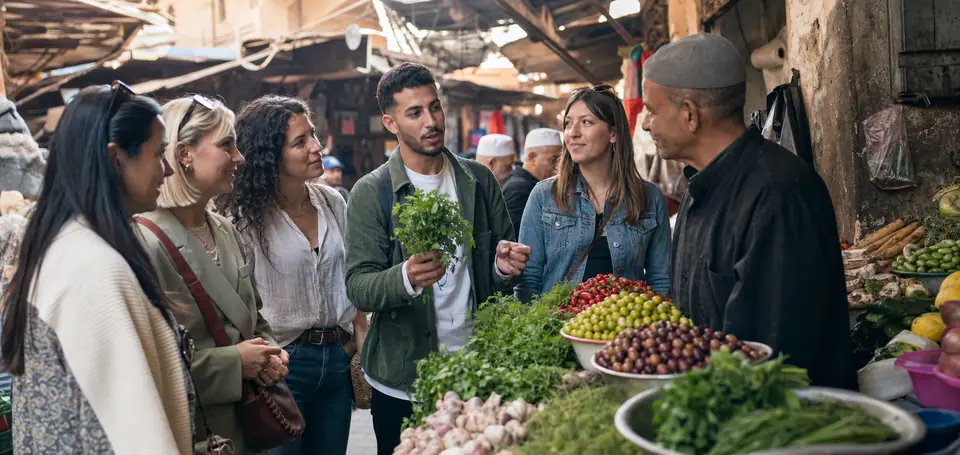
Fresh fish
Choosing Fresh Fish for Moroccan Recipes
Firm white fish and oily sardines — what to buy for chermoula and fish tagine.
Read the guide Couscous vegetables
The Best Vegetables for Seven-Vegetable Couscous
Which seven (or more) vegetables, and the order to add them so nothing turns to mush.
Read the guide Harissa
Buying or Making Harissa
The North African chilli paste — jar vs homemade, and how Moroccans use it.
Read the guide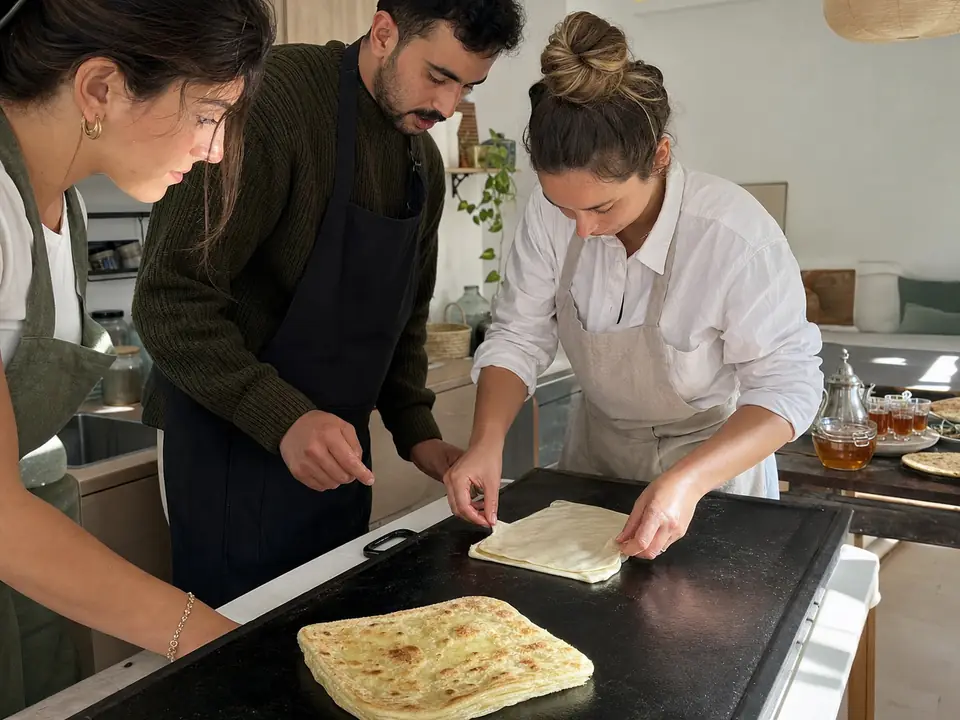
Semolina grades
Choosing Semolina for Harcha and Baghrir
Fine vs coarse durum semolina — which grade for which Moroccan bread or pancake.
Read the guide Choose olive oil
Choosing Olive Oil for Moroccan Cooking
Picholine, arbequina or supermarket blend — which olive oil to cook with and which to drizzle.
Read the guide Store spices
How to Store Spices Properly for Moroccan Cooking
Keep your spice collection fresh, potent and organised — the rules that matter.
Read the guide Measure without scales
Measuring Without Scales in Moroccan Cooking
Pinch, palm, glass and coffee cup — how Moroccan cooks measure without weighing.
Read the guideCook it hands-on in Marrakech
Put these tips to work in a class with a local cook.