Getting started
Batch Cooking and Freezing Moroccan Food
Much of Moroccan cooking is perfect for batch cooking and freezing — slow-braised tagines and hearty soups often taste even better the next day, and freezing them turns a weekend cook-up into weeks of quick meals. Knowing what freezes well and what doesn't lets you make ahead with confidence.
At a glance
- Freeze well: meat tagines, soups (harira), pulse dishes, sauces, cooked salads, spice pastes
- Chermoula freezes perfectly in an ice-cube tray; raw briouat fry from frozen
- Freeze less well: steamed couscous (goes grainy), fresh raw salads, delicate fried items
- Reheat gently, low and slow, loosening with water and freshening with herbs and lemon
Guide
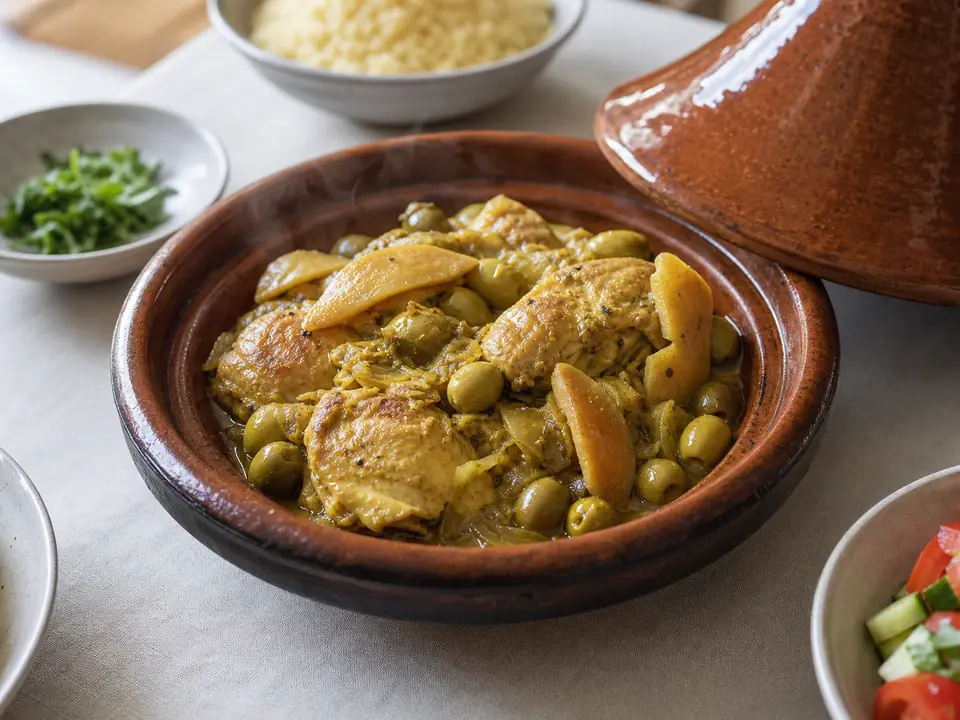
The slow-cooked, saucy dishes are the freezer stars. Meat tagines — chicken, lamb, beef — freeze beautifully, the flavours often deepening on reheating; cool them, portion into airtight containers, and freeze. Harira and other soups and stews freeze excellently and are ideal for big batches. Cooked pulse dishes (lentils, chickpeas, loubia), tomato-based sauces, and cooked salads like zaalouk and taktouka all freeze well too. Chermoula and other spice pastes freeze perfectly — portion into an ice-cube tray for instant marinade. Even uncooked pastries like briouat can be frozen raw and fried from frozen.
A few things don't freeze as well. Steamed couscous can go slightly grainy or dry when frozen and reheated, so it's often better made fresh (though it's quick anyway); if you do freeze it, reheat with a little added moisture. Fresh raw salads and anything relying on crisp fresh vegetables lose their texture. Delicate fried items are best fresh, though some, like briouat, freeze raw well. Dishes with a lot of fresh herbs may need a fresh herb lift on reheating, as freezing dulls them.
For make-ahead without freezing, remember how much of a Moroccan meal can simply be prepared in advance: preserved lemons keep for months, most salads are better made a few hours ahead, spice blends are made in bulk, and a tagine base (the softened onions and spices) can be prepped ready to add meat. To reheat frozen dishes, thaw in the fridge and warm gently — low and slow, as they were cooked — adding a splash of water to loosen a reduced sauce, and freshen with herbs, a squeeze of lemon or a little extra spice if needed. Batch-cook a couple of tagines and a pot of harira and you're set for weeks.
Practical tips
- 1
Batch-cook tagines and harira — they often taste better reheated the next day.
- 2
Freeze chermoula and spice pastes in ice-cube trays for instant portions.
- 3
Freeze briouat raw and fry them straight from frozen.
- 4
Make couscous fresh (it's quick) rather than freezing it; it can go grainy.
- 5
Reheat gently and lift with fresh herbs, lemon or a little spice, as freezing dulls them.
Frequently asked questions
Does tagine freeze well?
Yes — meat tagines freeze beautifully and often taste even better reheated, as the flavours deepen. Cool, portion into airtight containers, freeze, then thaw in the fridge and reheat gently, loosening with a splash of water if needed.
What Moroccan dishes don't freeze well?
Steamed couscous can go grainy or dry, and fresh raw salads and crisp vegetables lose their texture. Most delicate fried items are best fresh, though some like raw briouat freeze well and fry from frozen.
How do I reheat frozen Moroccan food?
Thaw in the fridge and warm gently — low and slow, as it was cooked — adding a little water to loosen a reduced sauce, and freshen with herbs, a squeeze of lemon or extra spice, since freezing dulls those notes.
Try the recipes
Put the tip into practice with these free step-by-step recipes: