Occasions & Seasons
Moroccan food, by the calendar
Moroccan cooking runs on a calendar of its own — the fasting month and its sunset table, the two great Eids, the weekly Friday couscous, the ceremony of mint tea, wedding feasts, the Berber new year, and the way winter and summer turn the menu inside out. Here is the customs, the dishes and the etiquette of each. 14 occasions and growing.
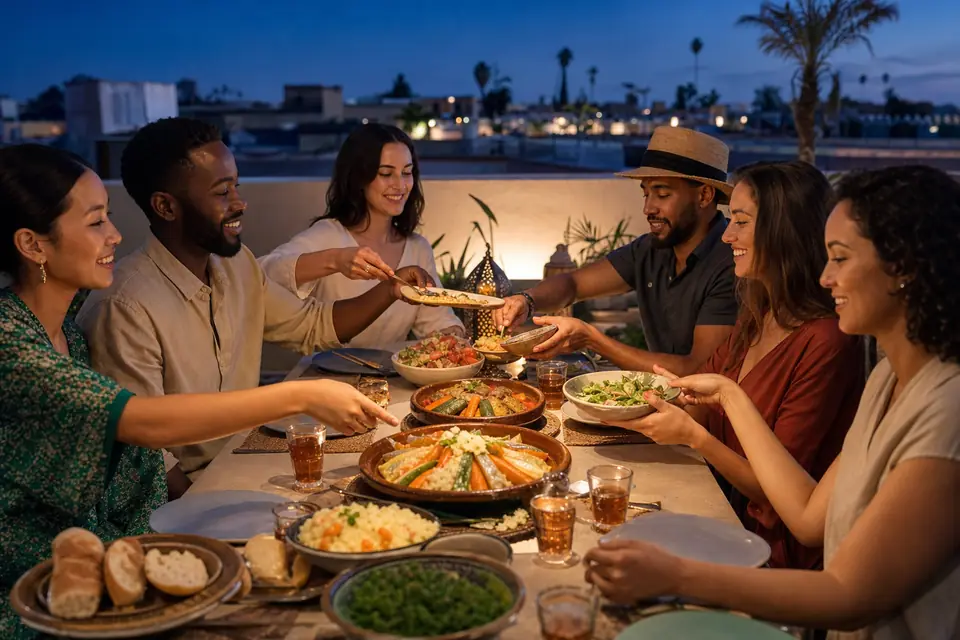
Ramadan & holy days
The Islamic calendar at the table — the fasting month, the two great Eids, and the sweets and sacrifices that mark them.
9th month, Islamic calendar · 9 min
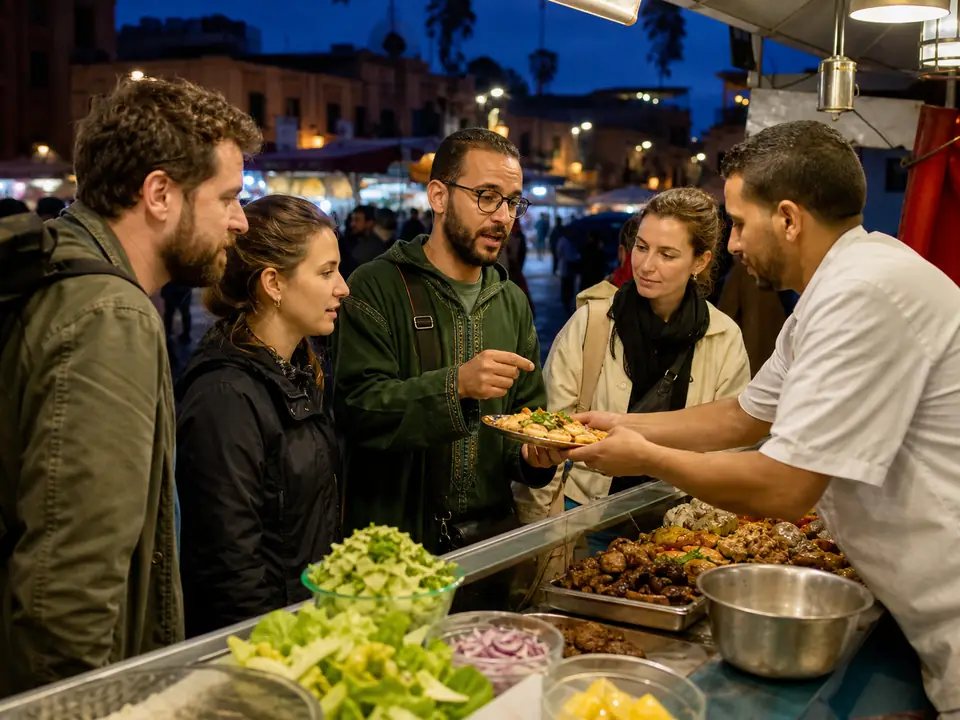
Ramadan Food in Morocco
How the fasting month reshapes the Moroccan table — the dawn suhoor, the sunset ftour built on dates and harira, and the sweets and breads that only really belong to Ramadan.
Read the tradition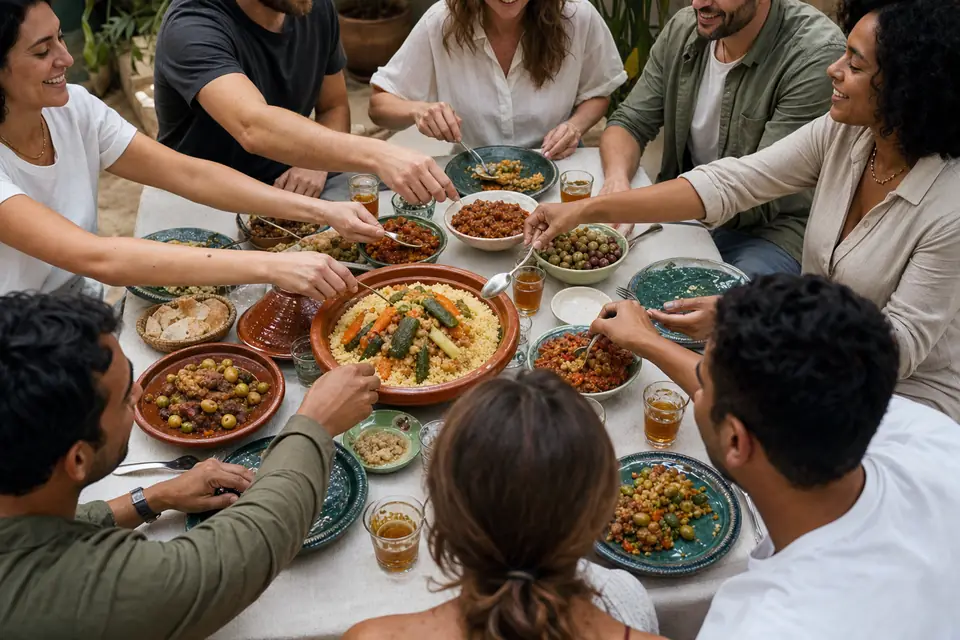
At sunset, during Ramadan · 8 min
Iftar Dishes: The Moroccan Sunset Table
A close look at the plates that fill a Moroccan ftour — the dates, the harira, the chebakia, the eggs and briouat and folded breads — and the order in which they are actually eaten.
Read the tradition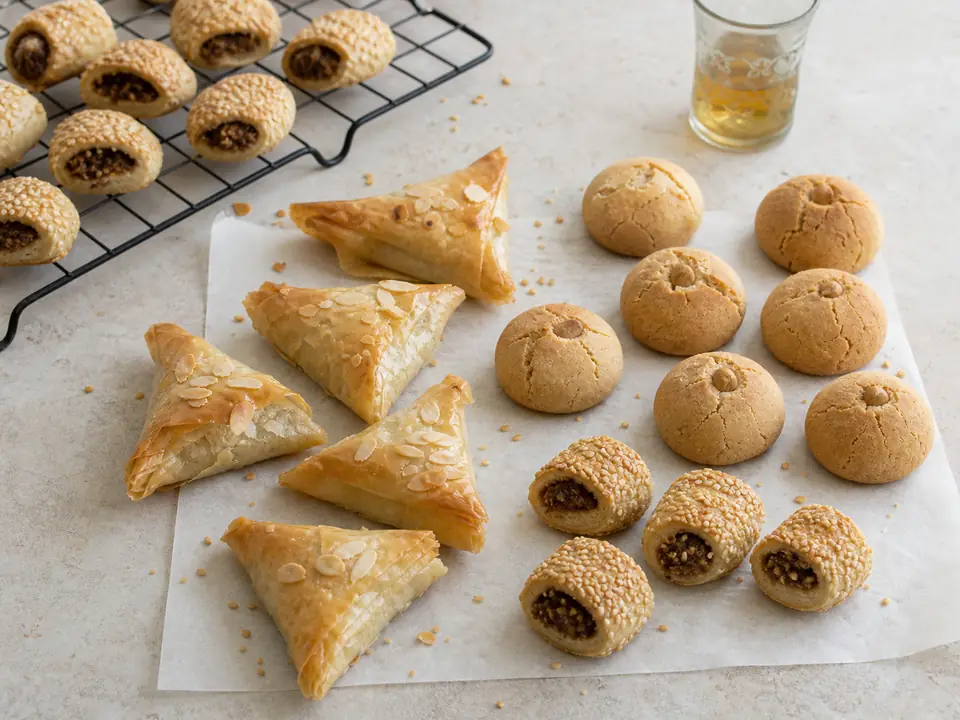
1 Shawwal — the day after Ramadan · 8 min
Eid al-Fitr Foods in Morocco
The feast that ends the fast is, unusually, a sweet one — a morning of sellou, msemen, baghrir and honeyed cookies, mint tea and house-to-house visiting. Here is the Eid es-Seghir table.
Read the tradition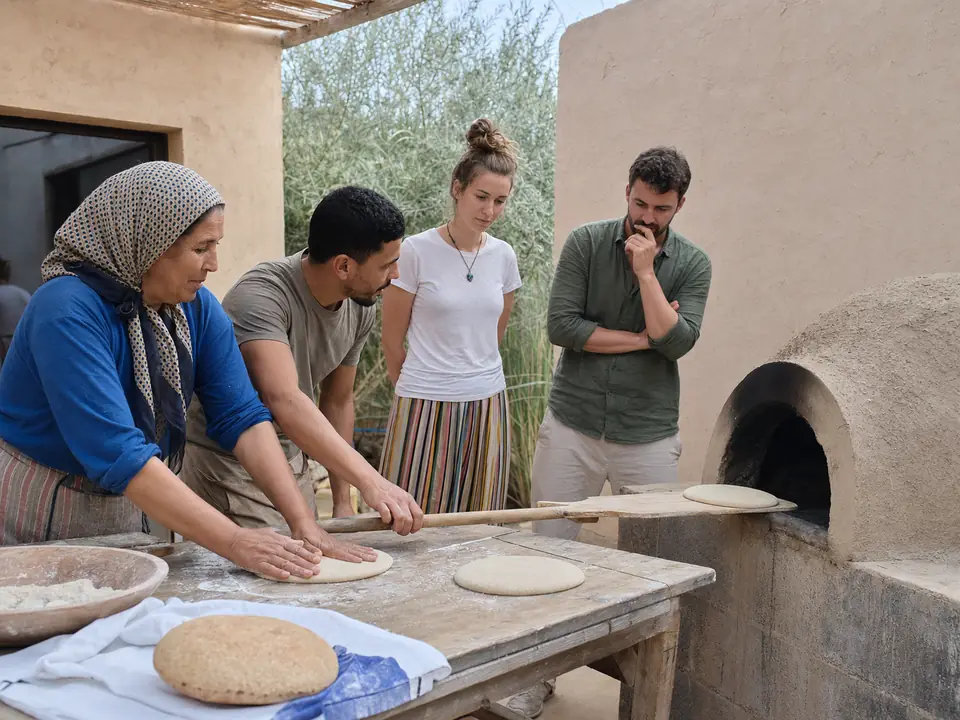
10 Dhu al-Hijja · 9 min
Eid al-Adha & Mechoui: The Feast of the Sacrifice
The great feast is a meat feast. From the dawn boulfaf of grilled liver to the days of mrouzia, mechoui and preserved khlii that follow, here is how Morocco eats through Eid al-Kebir.
Read the tradition
10 Muharram · 7 min
Ashura Foods in Morocco
A children's festival of dried fruit and nuts, couscous with preserved meat, and generous charity — how Morocco marks Achoura at the table, ten days into the Islamic new year.
Read the traditionWeekly rituals
The rhythms you can set a clock by — Friday couscous, the morning bread and tea, and the ceremony of the pot.
Every Friday, at midday · 8 min
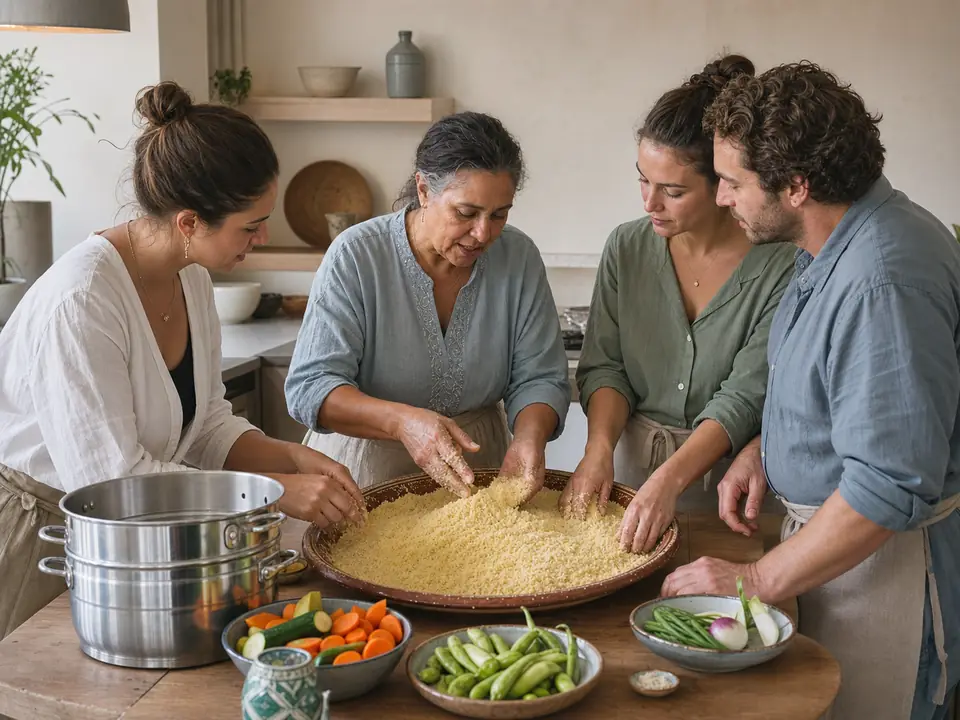
Friday Couscous: The Weekly Gathering
Every Friday, after prayers, the same golden mound appears on tables across Morocco. The weekly couscous is the country's most dependable food ritual — part faith, part family, part charity.
Read the tradition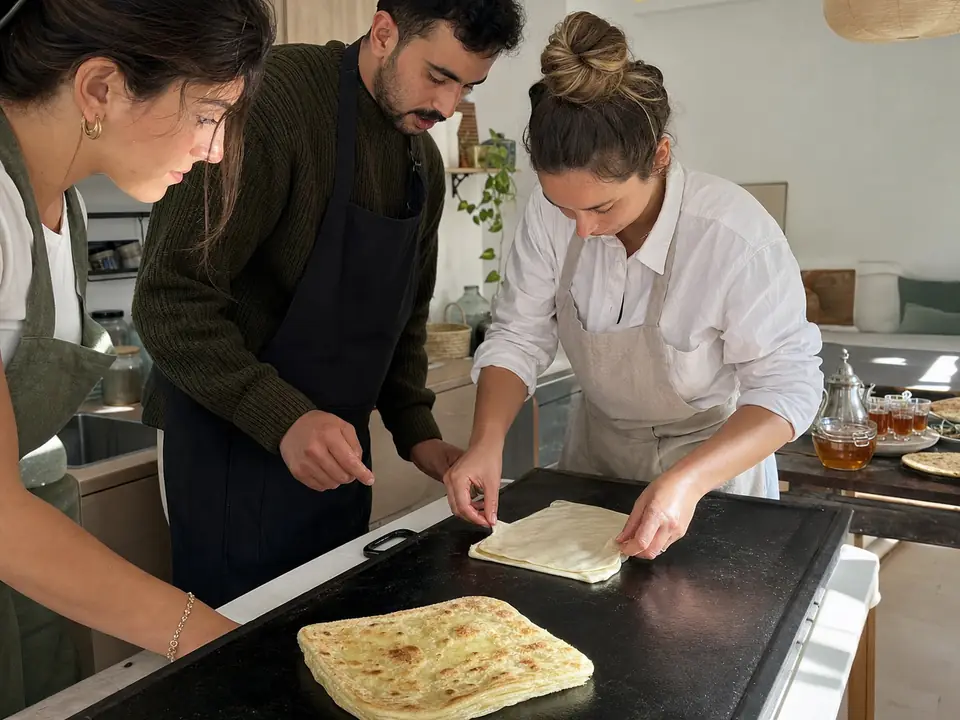
Early & unhurried on days off · 8 min
Moroccan Breakfast Customs
Bread and olive oil on a weekday, a spread of griddle breads and honey at the weekend — how Morocco does the first meal of the day, and the customs that shape the morning table.
Read the tradition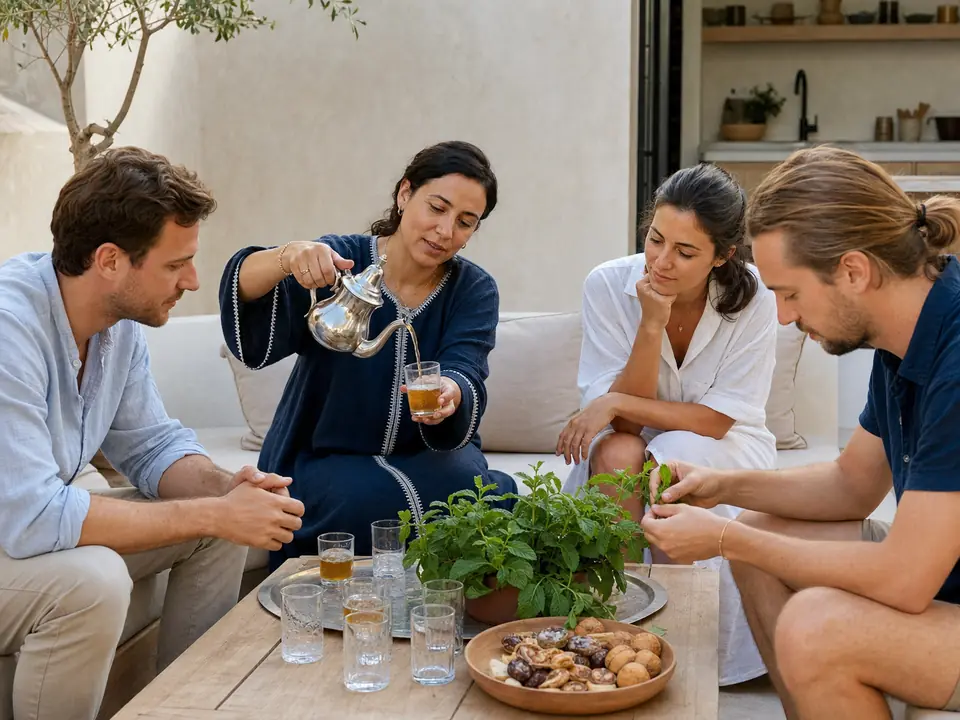
Atay — mint tea · 8 min
A Moroccan Tea Ceremony
Sweet, green and poured from a height, mint tea is Morocco's gesture of welcome made visible. Here is the ceremony — what goes in the pot, how it is poured, and the etiquette of hosting it.
Read the traditionCelebrations & rites
The feasts of a lifetime and a year — weddings, the Berber new year, and the moussems of the seasons.
Often high summer · 8 min
Moroccan Wedding Food
A Moroccan wedding feast is a procession of dishes — welcome milk and dates, a saffron-scented pastilla, tagines, a whole mechoui, couscous and towers of pastries — served deep into the night.
Read the tradition Night of 12–13 January · 7 min
Amazigh New Year (Yennayer) Food
Morocco's Berber new year is a harvest feast in mid-January — a night of tagoula porridge and seven-vegetable couscous, with a hidden date pit that foretells the finder's fortune for the year.
Read the tradition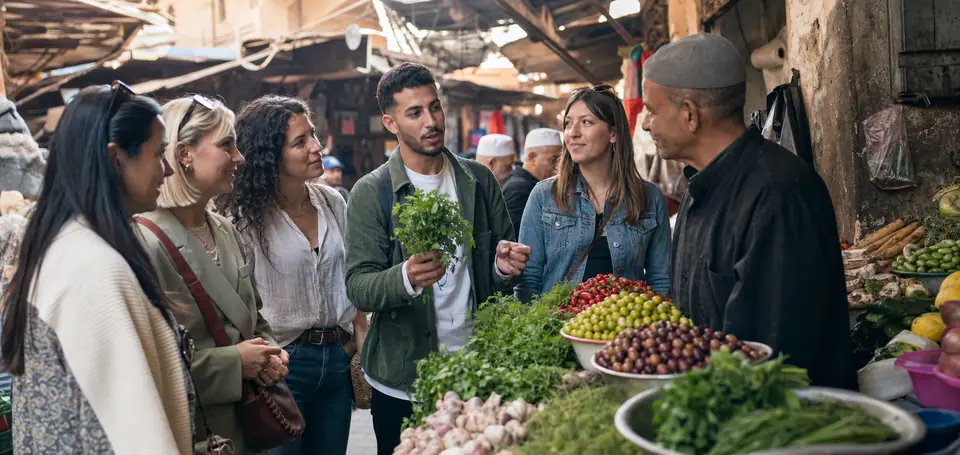
Saints' & harvest festivals · 8 min
Festival & Moussem Foods
Morocco's calendar is dotted with moussems and harvest festivals — the date fair at Erfoud, the cherries of Sefrou, the roses of Kelaat M'Gouna — each with its own communal feasting of couscous and mechoui.
Read the traditionSeasonal cooking
How the turning year reshapes the menu — warming winter braises and cooling summer salads and fruit.
November to February · 8 min
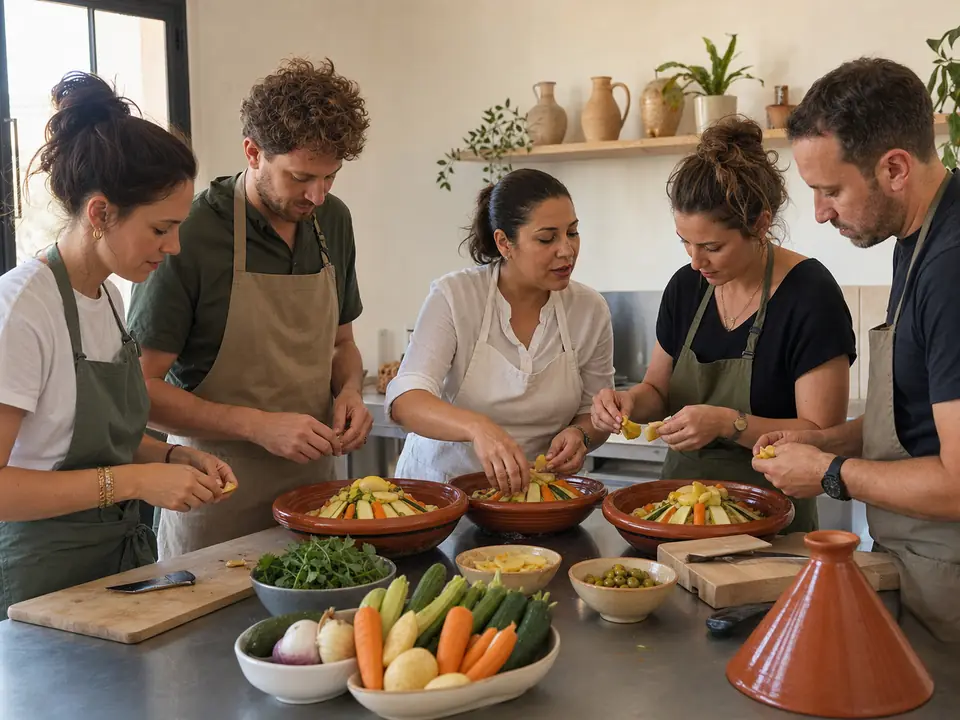
Winter Moroccan Comfort Food
Marrakech winters are colder than you think. This is the season of steaming harira, buttery bissara, slow tanjia and root-vegetable tagines — the warming, sustaining dishes Morocco leans on when the temperature drops.
Read the tradition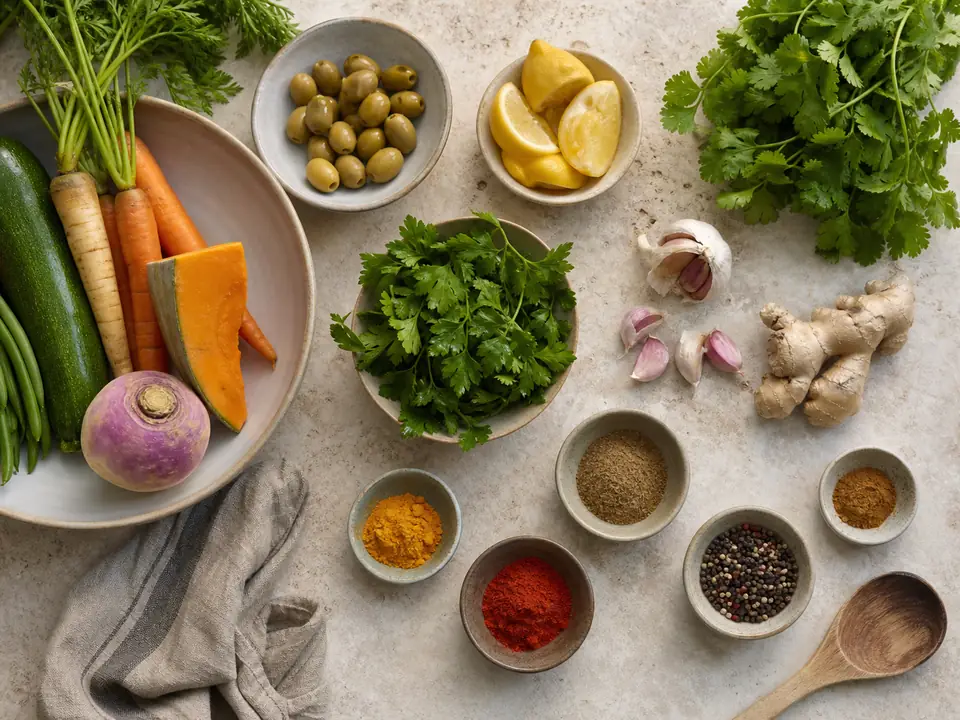
June to September · 8 min
Summer & Lighter Moroccan Dishes
When Marrakech tops 40°C, Morocco eats lighter — cooked salads like zaalouk and taktouka, grilled fish and brochettes, and mountains of cooling summer fruit eaten in the shade.
Read the traditionHosting & hospitality
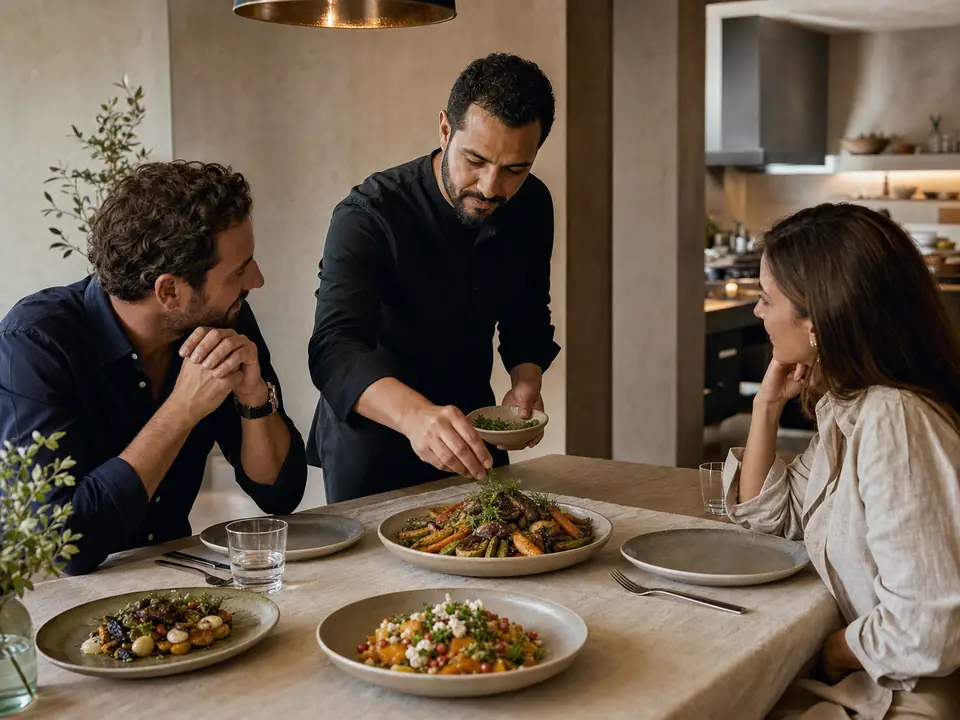
Bringing the generosity home — how to plan, cook and serve a Moroccan feast at your own table.
Answers
About these occasions
What is this Occasions & Seasons collection?
Factual guides to when and why Moroccans cook what they cook — the holy days of the Islamic calendar, the weekly rituals like Friday couscous and mint tea, the rites of passage such as weddings, and the way the seasons reshape the table. Each explains the customs, the specific dishes and the etiquette, with links to the recipes involved.
When is the best time to experience Moroccan food traditions?
Every season has its table. Ramadan brings the nightly ftour; the two Eids centre on sweets and on the sacrifice feast; Fridays mean couscous all year round; winter is soup-and-braise season and summer is salads and fruit. For a reliable, plannable experience, a Friday couscous or a hands-on cooking class works any week.
Are these guides respectful of the religious context?
Yes. Many of these occasions are holy days with deep religious meaning, and the guides treat them factually and respectfully, focusing on the food customs while noting the etiquette a visitor should observe — such as being discreet with food in public during Ramadan daylight.