Ashura menu
Ashura Menu — The Dried Fruit and Sweet Couscous of Muharram
On Ashura, the tenth day of Muharram, Moroccan food is as much about giving as eating. A big pot of sweet, dried-fruit couscous or seffa is served at home, while dried figs, walnuts, almonds and dates are handed out to children who go door to door in the neighbourhood — a Moroccan echo of trick-or-treat with far older roots. This menu covers both sides of the day: the family dish and the sweets set aside for giving.
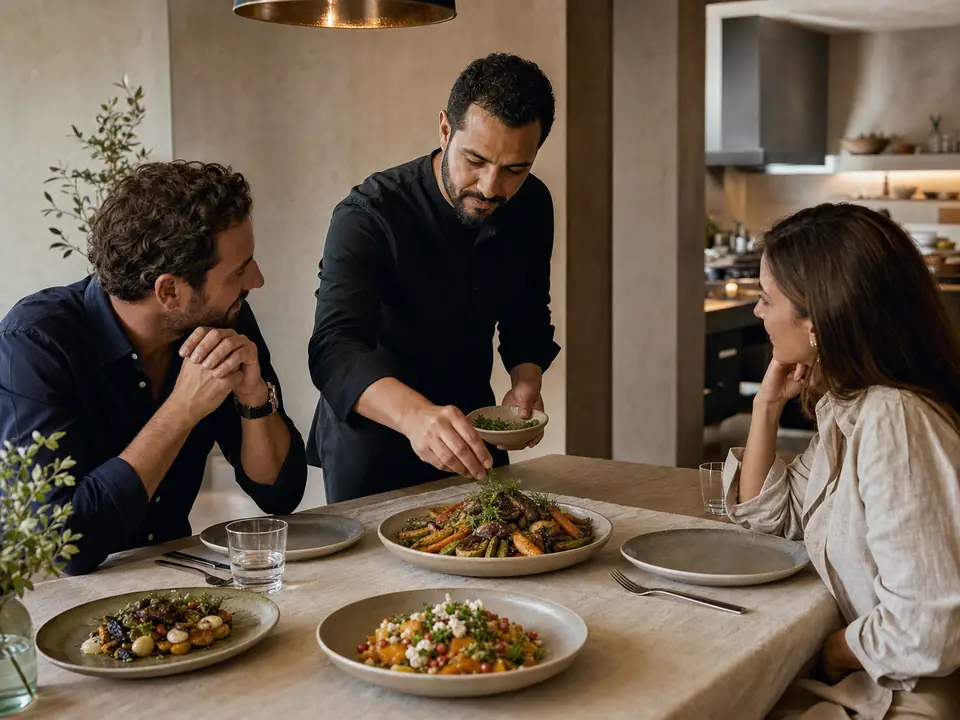
The menu
Main dish
Sweet couscous with seven dried fruits and nuts
Couscous folded with raisins, dates, dried figs, almonds and walnuts, sweetened with sugar and cinnamon rather than served savoury.
Alternative main
Couscous belboula with milk and honey
A barley-couscous version some families prefer, finished with warm milk and honey rather than butter and broth.
For giving
A bowl each of dates, dried figs, walnuts and almonds
Portioned into small bags or paper cones ready for the children who knock through the afternoon and evening.
Charity
A pot of harira or lentil soup for those in need
Many households cook an extra pot specifically to share with neighbours or donate, in keeping with Ashura's charitable character.
To drink
Sweet mint tea
Poured for family and any visitors who stop by through the day, alongside the dried fruit.
Shopping list
- Couscous, medium grain, plus barley couscous if making belboula
- Raisins, dates, dried figs, walnuts and almonds
- Cinnamon and sugar
- Butter or warm milk to finish the couscous
- Lentils, tomatoes and onion (for the charity soup pot)
- Small paper bags or bowls for portioning sweets to children
- Fresh mint and green tea
- Extra dates and nuts, kept aside purely for giving away
Prep timeline
-
Day before
Buy and portion dried fruit and nuts into small giving-bags, keeping a separate stock back for the family couscous.
-
Morning
Start the extra pot of soup if you plan to share it, and soak any pulses needed.
-
Midday
Steam the couscous, fold through the dried fruit, cinnamon and sugar, and finish with butter or warm milk.
-
Afternoon into evening
Keep the giving-bowls by the door, since children often call from midday well into the evening.
Host's tips
- Make more dried-fruit couscous than you think you need — it is often shared with whoever visits, not just eaten at home.
- Keep the giving portions separate from the family meal early on, or you may find the almonds have all gone into the couscous.
- A barley couscous (belboula) version with warm milk is a common substitute where semolina couscous is not preferred.
- If you are cooking a charity soup pot, start it early — a good harira benefits from a long, unhurried simmer.
Questions about this menu
What is traditionally eaten on Ashura in Morocco?
A sweet couscous or seffa made with dried fruits and nuts is the classic family dish, while dried figs, walnuts, almonds and dates are handed out to children who visit homes through the day, similar in spirit to trick-or-treat.
Why do children go door to door on Ashura?
It is a long-standing Moroccan custom tied to the charitable and communal character of the day, where households prepare dried fruit, nuts and small sweets specifically to give to children who call by.
Is Ashura a day of fasting in Morocco?
Many Moroccans observe a voluntary fast on Ashura, and the evening meal that follows leans sweet and generous, with dried-fruit couscous as the centrepiece rather than a typical savoury tagine.
What role does charity play in Ashura food?
Sharing is central — many households cook an extra pot of soup or set aside dried fruit specifically to give to neighbours or those in need, reflecting Ashura's association with generosity and remembrance.
Learn to cook this menu with a local in Marrakech
Every dish here is taught, hands-on, in a Marrakech cooking class — or taste them across the medina on a guided food tour.