Celebrations
Ramadan Food and the Iftar Table
Ramadan, the Islamic month of daytime fasting, transforms the rhythm of Moroccan food life. From dawn to sunset no food or drink is taken, and then each evening the fast is broken with a distinctive spread — dates, harira soup, honeyed chebakia and more — at the iftar table. It is the most food-focused month of the year, rich with tradition and togetherness.
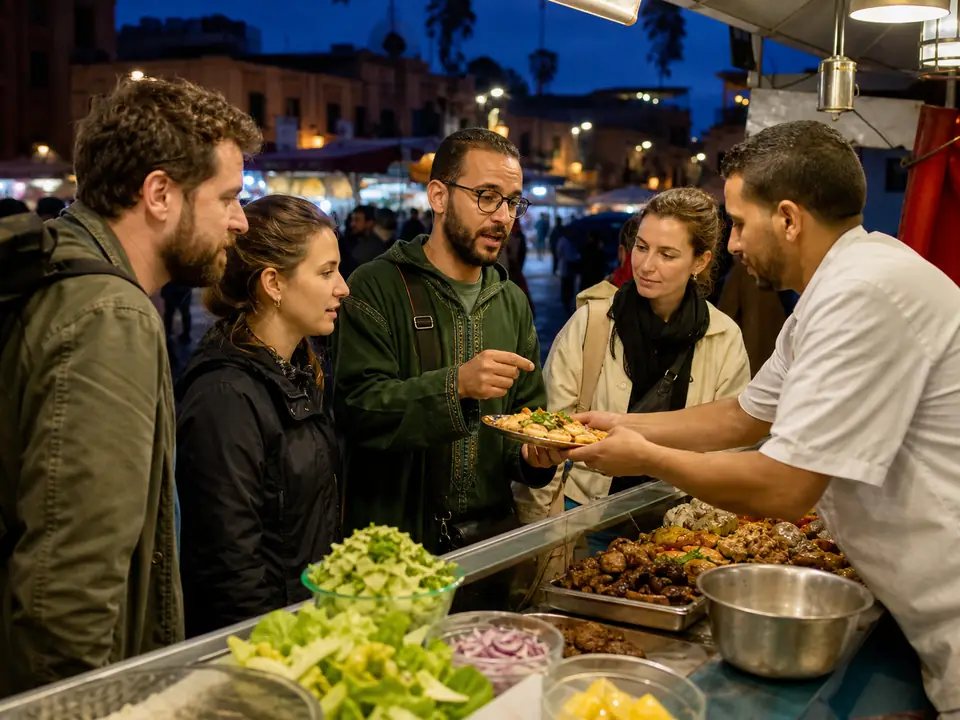
Breaking the fast at iftar
At sunset, the fast is broken with iftar. Following tradition, Moroccans typically break the fast first with dates and milk or water — gentle on an empty stomach and quick to restore energy — before the fuller meal. The centrepiece is harira, the hearty tomato, lentil and chickpea soup that is the quintessential Ramadan dish, warming and nourishing after a long day's fast.
Alongside come the sweet and savoury companions of the iftar table: chebakia, the sesame flower-knots fried and soaked in honey that are absolutely emblematic of Ramadan; msemen, harcha and other breads; boiled eggs; briouat; and sweets and dates. The table is generous and specific to the season — some of these foods appear mainly during Ramadan.
Suhoor and the daily rhythm
Before dawn, a pre-dawn meal called suhoor is eaten to sustain the fast through the day — often something filling and slow-releasing, and lighter or more restorative in nature. The whole day's eating is compressed into the hours of darkness: iftar at sunset, perhaps a fuller dinner later in the evening, and suhoor before the dawn. The rhythm of the month reorders daily life around these meals.
Markets and kitchens are busy through Ramadan with the making of special foods — chebakia is made in big batches ahead of time, sweets are prepared, and there's a heightened focus on cooking and sharing. Evenings become sociable, with families and friends gathering to break the fast together.
Sharing and generosity
Ramadan is strongly associated with charity and sharing. Feeding others who are fasting — hosting iftars, distributing food to the poor and to workers, offering harira and dates to those in need — is considered especially blessed during the month. Communal iftars and the sharing of food embody the spirit of generosity and community that defines Ramadan.
The month blends fasting with feasting, discipline with generosity, and it centres food and its sharing more than any other time of year. For a visitor in Morocco during Ramadan, the transformed rhythm — quiet days, bustling evenings, the special iftar foods, the atmosphere of the shared sunset meal — is a profound window into Moroccan food and faith. Eid al-Fitr, the joyful festival at the month's end, celebrates the fast's completion with sweets and feasting.
Good to know
- The fast is broken first with dates and milk or water, gentle on an empty stomach.
- Harira soup and honeyed chebakia are the emblematic foods of the Moroccan iftar table.
- A pre-dawn meal, suhoor, sustains the fast through the day.
- Chebakia is made in big batches ahead of Ramadan — it's a hallmark of the month.
- Sharing food with those in need is considered especially blessed during Ramadan.
Frequently asked questions
What do Moroccans eat to break the fast at Ramadan?
The fast is typically broken first with dates and milk or water, then the iftar meal centred on harira — the tomato, lentil and chickpea soup — with honeyed chebakia, msemen and other breads, boiled eggs, briouat, sweets and more.
What is chebakia?
Chebakia are sesame-coated flower-knot pastries, fried until crisp and then soaked in warm honey. They are emblematic of Ramadan in Morocco, made in big batches ahead of the month and eaten alongside harira at iftar.
What is suhoor?
Suhoor is the pre-dawn meal eaten during Ramadan to sustain the fast through the daylight hours — usually something filling and slow-releasing, taken before the dawn prayer, complementing the sunset iftar.
From the kitchen
Explore the food behind the culture with these recipes: