Spices & substitutes
What Is Ras el Hanout?
Ras el hanout is Morocco's most famous spice blend, and its name tells you everything: it means 'head of the shop' or 'top of the shop' — the spice merchant's finest, most complex mixture, the one that shows off his best wares. There is no single fixed recipe; every merchant and family has their own, which is part of its mystique.
At a glance
- Name means 'head/top of the shop' — the merchant's best, most complex blend
- No fixed recipe: a dozen to 30+ spices, backbone of cumin, coriander, cinnamon, ginger, pepper
- Aromatic flourishes (cardamom, rosebud, mace, grains of paradise) distinguish each blend
- Classic in lamb tagines, mrouzia, couscous and rice — bloom it in oil to release the aromas
Guide
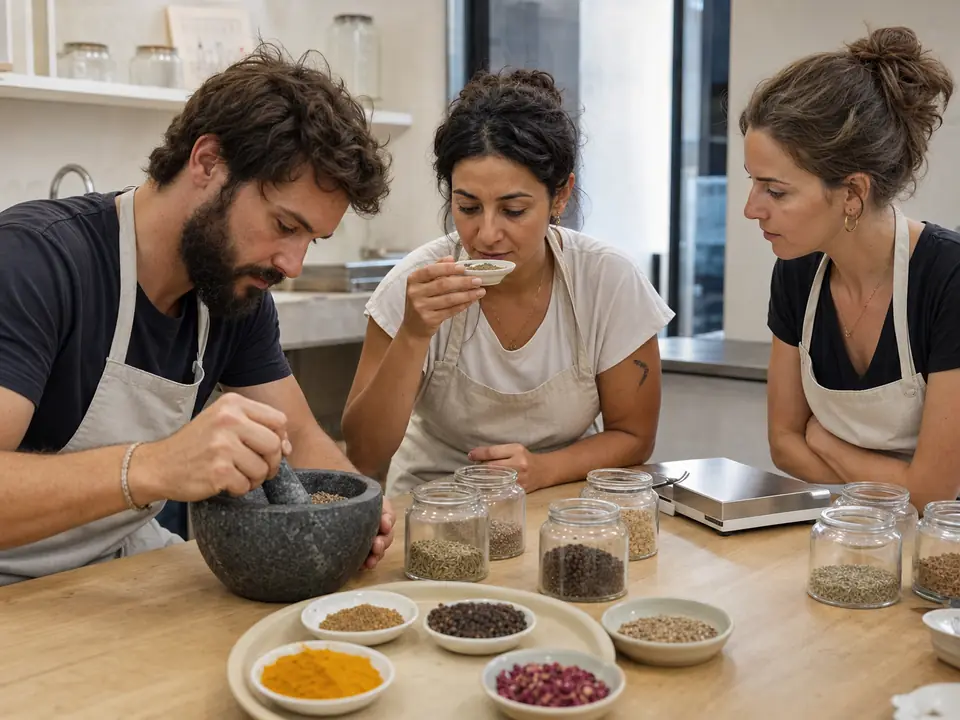
A ras el hanout can contain anywhere from a dozen to more than thirty spices. The dependable backbone is warm and earthy: cumin, coriander, cinnamon, ginger, black and white pepper, turmeric, sweet paprika, nutmeg and clove. On top of that go the aromatic and exotic flourishes that distinguish one blend from another — cardamom, mace, allspice, grains of paradise, dried rosebuds, lavender, fennel, aniseed, cubeb pepper and more. The best blends are balanced and layered, warm and slightly sweet, never harsh.
Historically some traditional blends included rare or even dubious ingredients — the legend includes things like ash berries, monk's pepper and, in old lore, aphrodisiac additions — but modern culinary ras el hanout is a food blend of warm, fragrant spices. Because it's freshly ground to order in the souk, a good ras el hanout is intensely aromatic in a way pre-packed supermarket versions rarely match; buying it freshly blended, or making your own, is a noticeable upgrade.
Use ras el hanout as a warming, complex seasoning in slow-cooked dishes: it's classic in lamb tagines (especially the sweet mrouzia with raisins and honey), in couscous, in rice, rubbed onto meat and fish, and stirred into soups. Bloom it in oil with the onions at the start of cooking so the many spices open up and meld. A little goes a long way — it's meant to add depth and fragrance, not to overwhelm — and it stores best airtight, away from light and heat, used within a few months while its aroma is at its peak.
Practical tips
- 1
Buy it freshly ground in the souk or make your own — pre-packed versions are far less aromatic.
- 2
Bloom it in oil with the onions so its many spices open up and meld.
- 3
A little goes a long way; it should add depth and fragrance, not dominate.
- 4
It shines in slow-cooked lamb, especially the sweet, festive mrouzia.
- 5
Store airtight, dark and cool, and use within a few months for peak aroma.
Frequently asked questions
What does ras el hanout mean?
It means 'head of the shop' or 'top of the shop' — the spice merchant's finest, most complex blend, made to show off his best spices. Every merchant and family has their own version.
What's in ras el hanout?
There's no single recipe, but the backbone is cumin, coriander, cinnamon, ginger, pepper, turmeric, paprika, nutmeg and clove, plus aromatic flourishes like cardamom, mace, rosebud, lavender and grains of paradise — a dozen to thirty-plus spices in all.
How do you use ras el hanout?
As a warming seasoning in slow-cooked dishes — lamb tagines (especially mrouzia), couscous, rice, and rubbed onto meat or fish. Bloom it in oil with the onions so the spices open up.
Try the recipes
Put the tip into practice with these free step-by-step recipes: