Spices & substitutes
What Goes Into a Moroccan Spice Rack
Moroccan cooking has a reputation for exotic spicing, but most of it runs on a surprisingly compact core of warm, aromatic spices used in different combinations. Stock a dozen or so and you can cook the vast majority of the repertoire — tagines, couscous, soups and salads — without a giant collection.
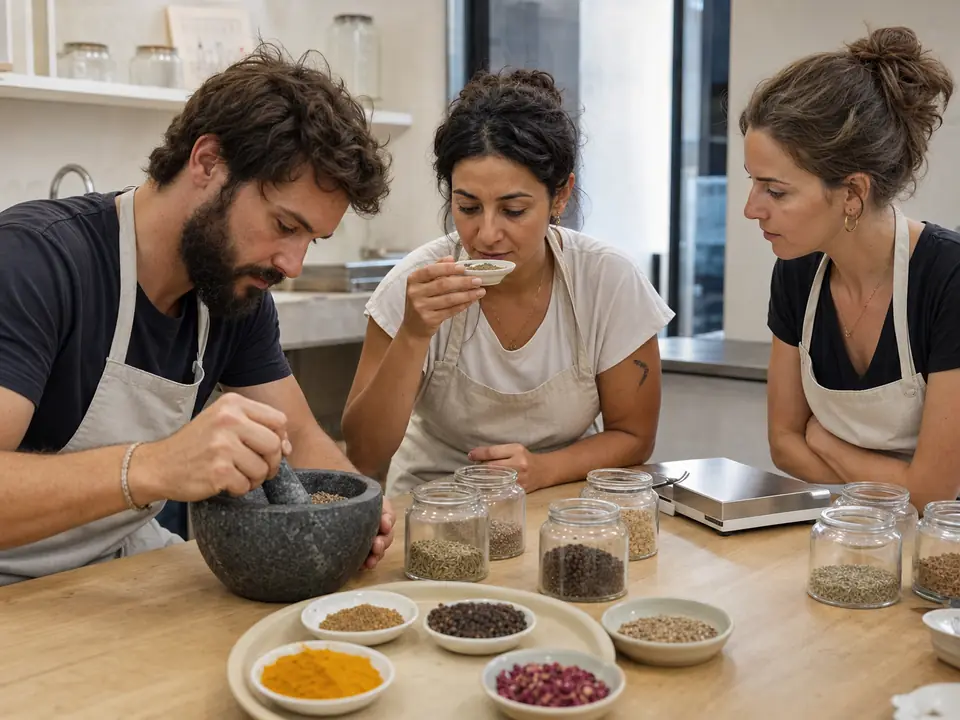
At a glance
- Savoury core: cumin, sweet paprika, ginger, turmeric, black pepper
- Plus cinnamon, saffron, coriander and a little cayenne/chilli for the everyday set
- Ras el hanout for festive dishes; orange blossom and rose water for sweets
- Fresh aromatics — onion, garlic, coriander, parsley, ginger — and preserved lemon do heavy lifting
Guide
The essential savoury core is cumin, sweet paprika, ground ginger, turmeric and black pepper — this quintet forms the spice base of countless tagines and soups, giving earthiness, colour, warmth and gentle heat. Add cinnamon, which bridges savoury and sweet and appears in both meat tagines and pastries, and saffron for the aromatic luxury note in special dishes. A little cayenne or chilli for heat, and ground coriander for a citrusy, floral warmth, round out the everyday set.
Beyond those, a Moroccan rack usually holds ras el hanout (the complex blend for lamb and festive dishes), and for sweets and drinks the floral waters — orange blossom and rose water — plus whole cinnamon sticks, sesame seeds and anise or fennel for breads and pastries. Fresh aromatics do heavy lifting too: onion and garlic in almost everything, fresh coriander and parsley by the bunch, fresh ginger, and preserved lemon as a pantry staple that acts almost like a spice.
Buy whole where you can — cumin, coriander, peppercorns — and grind as you go for the best flavour, and buy ground spices in small amounts because they fade. A trip to a Moroccan spice souk, where everything is freshly ground and sold from open sacks, is the ideal way to stock up, but a good spice shop anywhere will have the core. Store everything airtight, away from light and heat, and your spice rack becomes the engine of the whole cuisine.
Practical tips
- 1
Master the cumin-paprika-ginger-turmeric-pepper base and you can cook most tagines.
- 2
Buy whole spices and grind fresh for the biggest flavour upgrade.
- 3
Buy ground spices in small amounts — they fade within months.
- 4
Keep preserved lemon and fresh herbs on hand; they're as essential as the dry spices.
- 5
Store everything airtight, away from light and heat, to preserve aroma.
Frequently asked questions
What are the essential Moroccan spices?
The savoury core is cumin, sweet paprika, ginger, turmeric and black pepper, plus cinnamon, saffron, coriander and a little cayenne. Ras el hanout, orange blossom and rose water round it out for festive dishes and sweets.
Do I need a huge spice collection to cook Moroccan food?
No — a dozen or so core spices cover the vast majority of the repertoire. Moroccan cooking gets its variety from combining a compact set of warm spices in different ways, not from an enormous collection.
Should I buy whole or ground spices?
Buy whole where practical — cumin, coriander, peppercorns — and grind fresh for the best flavour. Buy ground spices in small amounts since they lose aroma within a few months.
Try the recipes
Put the tip into practice with these free step-by-step recipes: