Techniques
How to Bloom and Toast Moroccan Spices
The difference between a flat tagine and a fragrant one is often just heat applied to the spices at the right moment. Toasting whole seeds and blooming ground spices releases their aromatic oils, so cumin, coriander, paprika and ras el hanout taste rounder, deeper and more alive rather than dusty and raw.
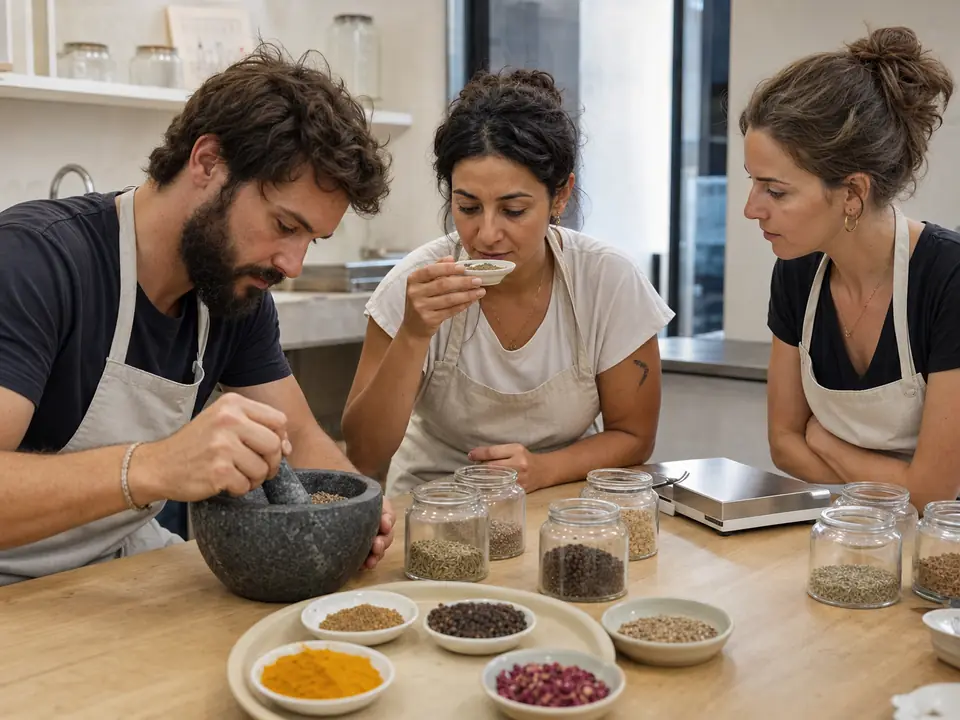
At a glance
- Dry-toast whole seeds until fragrant, then grind fresh
- Bloom ground spices in oil with the onions before adding liquid
- Watch constantly — spices burn and turn bitter in seconds
- Saffron is warmed gently and steeped, not hard-toasted
Guide
Toasting is for whole spices. Put cumin seeds, coriander seeds, fennel, aniseed or peppercorns in a dry pan over medium heat and shake them until they smell fragrant and just begin to colour — usually a minute or two. Watch closely; they go from toasted to burnt and bitter fast. Toasting then grinding whole spices fresh gives a far livelier flavour than pre-ground jars, which is why Moroccan cooks buy whole and grind as they go.
Blooming is for ground spices, and it happens in fat. When you build a tagine or a soup, you cook the ground cumin, paprika, ginger, turmeric and ras el hanout briefly in the oil with the onions and garlic before the liquid goes in. The hot fat dissolves the spices' flavour compounds and carries them through the whole dish, and it takes the raw, powdery edge off paprika and turmeric in particular.
The one spice to treat differently is saffron. Rather than toast it hard, lightly warm the threads — in a dry pan for a few seconds or between your fingers — then crush and steep them in a little warm water to draw out the colour and aroma before adding the liquid to the dish. Bloom too aggressively and you scorch its delicate flavour.
Practical tips
- 1
Buy whole cumin and coriander and grind small batches — the flavour dividend is huge.
- 2
Toast off the heat for the last few seconds; the residual warmth finishes them without burning.
- 3
Bloom paprika and turmeric especially — raw, they taste dusty and dull.
- 4
Bloom over lower heat than you think; scorched spices turn acrid and can't be rescued.
- 5
Grind toasted spices only once cool, or they clump and steam in the grinder.
Frequently asked questions
What is the difference between toasting and blooming spices?
Toasting is dry-heating whole spices in a pan to release their oils before grinding. Blooming is cooking ground spices in fat (oil or butter) so their flavour dissolves and spreads through the dish.
Do I need to toast pre-ground spices?
Whole spices benefit most from dry-toasting. Pre-ground spices are better bloomed in oil with the onions, which wakes them up without the risk of scorching loose powder in a dry pan.
Can you toast saffron?
Only gently — warm the threads briefly, then crush and steep them in warm water. Hard toasting scorches saffron's delicate aroma and wastes an expensive spice.
Try the recipes
Put the tip into practice with these free step-by-step recipes: