Henna Night menu
Henna Night Menu — Refreshments for the Pre-Wedding Gathering
Henna night keeps women gathered for hours while the bride's hands and feet are decorated, so the food is designed to circulate steadily rather than sit as a single meal. Sweet mint tea, almond milk, dates and a rotating tray of pastries carry guests through the singing and the long, careful henna work. A light savoury bite or two keeps energy up without competing with the main wedding feast still to come. This menu sets out what to have ready and when.
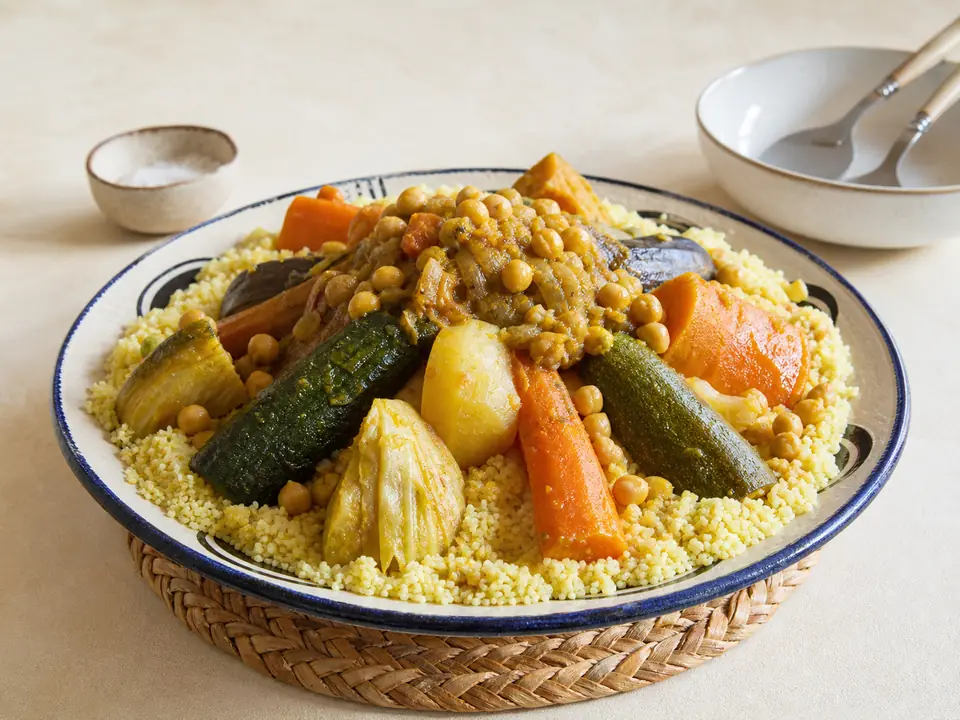
The menu
To open
Dates and a glass of milk or almond milk
A gentle first offering as guests arrive and settle in for what is usually a long evening.
Pastry tray
Chebakia, kaab el ghazal and fresh fruit
Kept circulating throughout the evening rather than served all at once, since the gathering stretches over several hours.
Savoury bite
Small msemen or briouats
Something light and handheld so guests are not eating a full meal while hands are being hennaed.
For the bride
A small plate kept aside and fed to her by hand
Since her hands are occupied or drying, guests or family often feed her small bites through the evening.
Drink
Sweet mint tea, poured often
The constant of the evening, refreshed pot after pot as the henna artist works and the singing continues.
To close
A final round of sweets as guests leave
Small parcels of chebakia or almonds sometimes sent home with departing guests as a keepsake of the evening.
Shopping list
- Dates and almond milk or fresh milk
- Chebakia, kaab el ghazal or other ready-made pastries
- Fresh seasonal fruit
- Small pastry ingredients if making msemen or briouats fresh (flour, filling of choice)
- Almonds and honey, if making sellou or a similar sweet for the tray
- Gunpowder green tea and plenty of fresh mint
- Small napkins or bowls for handheld sweets, since hands are often occupied
- Decorative trays for presenting the food attractively
- Small bags for sending sweets home with guests
Prep timeline
-
Day before
Buy or bake the pastry tray and prepare any savoury bites that can be made ahead and simply reheated.
-
Early evening
Set out the first round of dates and milk as guests arrive and the henna artist sets up.
-
Through the evening
Keep tea and pastries circulating steadily rather than at fixed intervals, since the henna work sets its own pace.
-
As the evening winds down
Send a final round of sweets and, where the custom is kept, small parcels home with guests.
Host's tips
- Keep everything easy to eat one-handed, since many guests will have wet or drying henna on their hands for stretches of the evening.
- Prepare the bride's food separately in small bites, since she often cannot feed herself while the henna sets.
- Buy pastries rather than baking everything fresh if the evening is already full of other preparations for the wedding.
- Keep the tea coming steadily all evening — it is as much part of the atmosphere as the henna itself.
Questions about this menu
What food is served on a Moroccan henna night?
Light, easy-to-eat food designed to circulate over several hours — dates, milk, pastries such as chebakia and kaab el ghazal, fresh fruit, and small savoury bites, rather than a single seated meal.
Why is henna night food kept light?
The evening is centred on the henna application and singing, which can take hours, so food needs to be easy to manage with hennaed hands and should not compete with the larger wedding feast still ahead.
How is the bride fed during her henna night?
Since her hands are often occupied or drying, family members typically feed her small bites by hand throughout the evening rather than expecting her to eat unassisted.
Is henna night just for women?
Traditionally, yes — it is usually a women-only gathering of family and close friends around the bride, separate from any parallel gathering the groom's side might hold.
Learn to cook this menu with a local in Marrakech
Every dish here is taught, hands-on, in a Marrakech cooking class — or taste them across the medina on a guided food tour.