Cooking with Fresh Lemon
Recipes with Fresh Lemon — Beyond the Preserved Jar
Fresh lemon plays a different role from its famous preserved cousin in Moroccan cooking — brighter, sharper, and used at the very end of cooking rather than simmered in for weeks beforehand. A squeeze over a finished tagine, a dressing sharpened with juice and zest, or a simple homemade lemonade all lean on the fruit's immediate acidity rather than the mellow, fermented depth of a preserved rind. This guide covers where fresh lemon belongs on a Moroccan table, kept distinct from its salted, jarred relative.
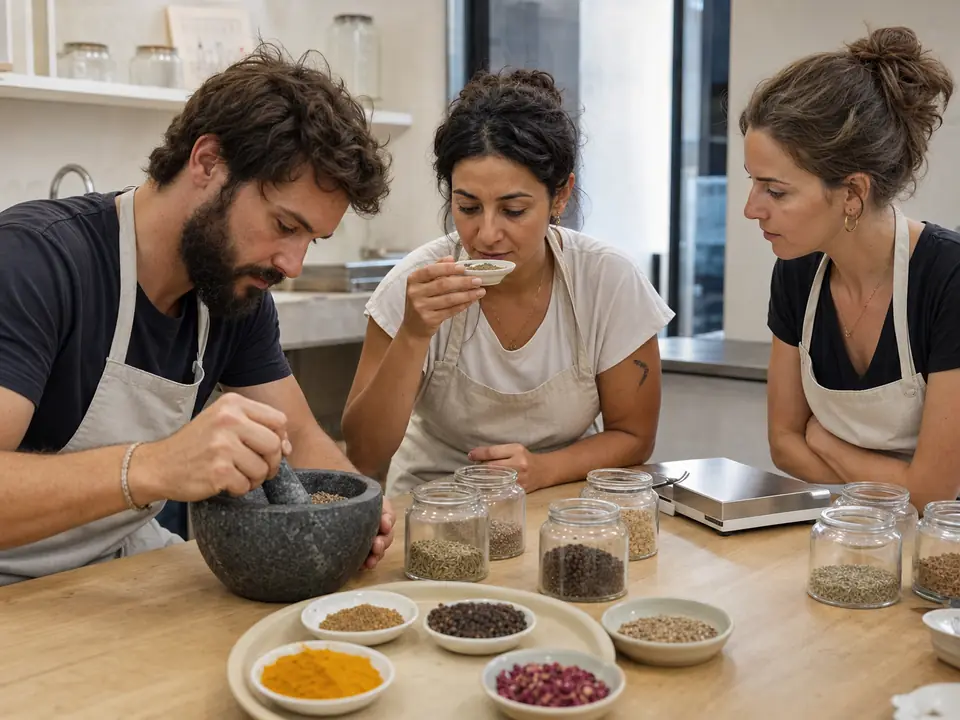
Fresh lemon versus preserved lemon
The two are not interchangeable. Fresh lemon brings sharp, immediate acidity and is added late, often just before serving, to lift a heavy dish or dress a salad. Preserved lemon is mellower, saltier and cooked in from early on, contributing depth rather than brightness. A cook reaching for one when a recipe calls for the other will get a noticeably different, usually flatter, result.
The best Moroccan recipes with fresh lemon
Lemon and herb roast or grilled chicken, finished with a squeeze of juice rather than preserved rind. Carrot and orange salads sharpened with lemon juice and a little cumin. Fish dishes, where a wedge of lemon at the table is standard alongside chermoula. Moroccan lemonade, blended whole with mint, sugar and water, pulp and all, for an intensely refreshing drink sold at juice stands.
Fresh lemon in dressings and marinades
A simple dressing of lemon juice, olive oil, garlic and cumin turns grilled vegetables or a cooked salad from flat to vivid, and this combination underlies much of Moroccan salad cooking beyond the famous tomato and pepper varieties. Marinades for fish or chicken often pair lemon juice with garlic, coriander and a little paprika rather than the fuller chermoula treatment.
Buying and using lemons
Thin-skinned lemons, similar to those used for preserving, are common in Moroccan markets and juice easily. A kilo typically costs 5-10 MAD depending on season. Zest before juicing if a recipe needs both, since a spent lemon shell is far harder to zest cleanly than a whole one.
Cook's tips
- Zest a lemon before juicing it, never after — a squeezed shell is much harder to zest cleanly.
- Add fresh lemon juice at the end of cooking to keep its brightness; long cooking dulls its acidity.
- Blend whole lemon with mint, sugar and water, pulp included, for authentic Moroccan lemonade.
- Keep fresh and preserved lemon separate in your mind — they serve different jobs and aren't interchangeable.
- A wedge of fresh lemon at the table is the standard finish for grilled or fried fish.
Questions about cooking with Fresh Lemon
What is the difference between fresh and preserved lemon in Moroccan cooking?
Fresh lemon is sharp and added late for brightness; preserved lemon is salty, mellow and cooked in early for depth. They serve different purposes and shouldn't be swapped for each other in a recipe without adjusting the balance.
How is Moroccan lemonade made?
Whole lemons, pulp included, are blended with fresh mint, sugar and water, then strained if you prefer it smoother. It is intensely refreshing and sold at juice stands throughout the country, especially in warmer months.
What dishes use fresh lemon rather than preserved lemon?
Grilled or roast chicken finished with a squeeze of juice, fish served with lemon wedges, and dressings for salads and grilled vegetables all use fresh lemon, kept apart from dishes that call specifically for the preserved version.
Can you substitute fresh lemon for preserved lemon in a tagine?
Not really without losing the dish's character — preserved lemon's saltiness and fermented depth can't be replicated by fresh juice and zest alone, though a pinch of salt added to fresh lemon zest gets you closer in an emergency.
Cook these dishes with a local in Marrakech
Learn to handle fresh lemon the Moroccan way in a hands-on cooking class, or taste it across the medina on a guided food tour.