Heritage & regions
Women and the Moroccan Kitchen: The Dada
Behind Morocco's celebrated cuisine stand, overwhelmingly, its women — the mothers, grandmothers and master cooks who have kept, refined and passed down the recipes for generations. From the everyday home kitchen to the tradition of the dada, the professional cook, women have been the guardians and transmitters of Moroccan food knowledge.
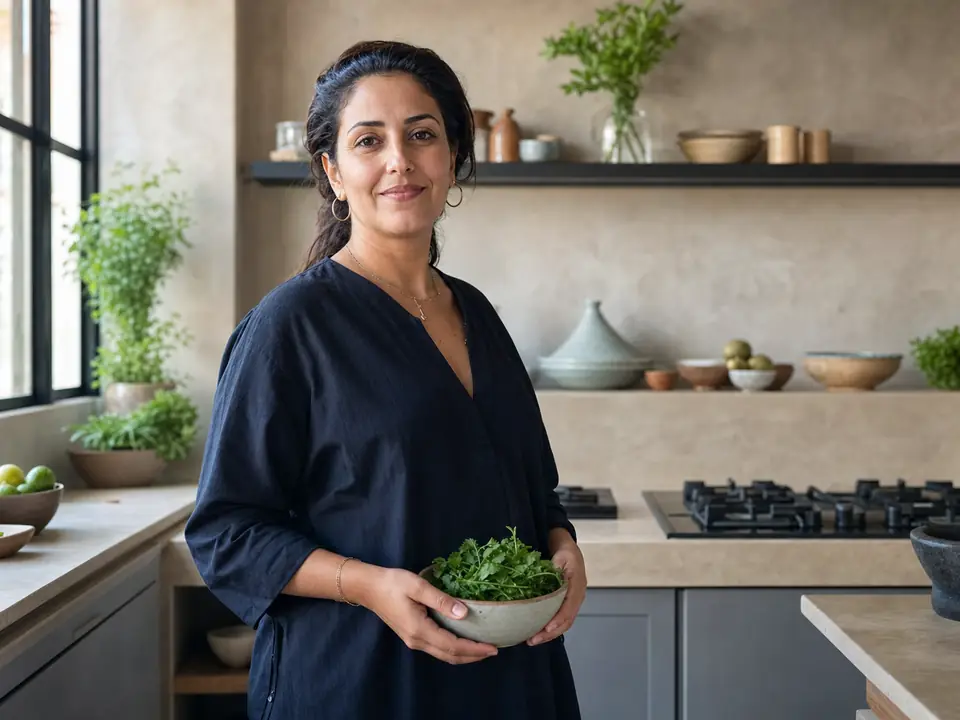
Keepers of the recipes
In Moroccan tradition, cooking has been largely the domain of women, and the deep knowledge of the cuisine — the spice balances, the techniques, the fine feel for a tagine or the three-steam couscous — has been held and passed down primarily by them. Recipes are transmitted not usually through written books but orally and by hand, learned by watching, helping and doing alongside mothers and grandmothers from a young age.
This oral, hands-on transmission means Moroccan cooking is learned in the kitchen, through practice and inheritance, and each family carries its own versions and secrets. Women are the living library of the cuisine, and much of its richness and continuity is owed to them.
The dada
Beyond the home cook, Morocco has the tradition of the dada — a skilled female cook, historically often working in the households of the wealthy and the great riads, who mastered the elaborate dishes of the cuisine. The dada is a professional keeper of culinary knowledge, renowned for expertise in the most refined and labour-intensive dishes — the perfect pastilla, the grand couscous, the celebratory tagines and the intricate pastries.
The dada tradition, associated with the historic culinary centres and the great houses, represents the professional, master-cook side of a cuisine otherwise centred on the home. These women have preserved the highest skills of Moroccan cooking, and cooking classes taught by a dada or an experienced Moroccan cook are one of the best ways to learn the real thing today.
The kitchen today
The role of women in the Moroccan kitchen continues, though it is changing. Home cooking remains largely the domain of women, and the passing-down of recipes through the female line endures, but modern life, education, work and shifting family patterns are reshaping who cooks and how. Cooking classes, cookbooks, restaurants and media are opening up and documenting a knowledge that was once purely oral and domestic.
Increasingly, Moroccan women are also cooking professionally and publicly — running cooking schools, teaching visitors, writing recipes, and taking Moroccan cuisine to a wider world, building on the deep foundation their mothers and grandmothers laid. For anyone learning Moroccan food, recognising and honouring the women who have carried this cuisine — and learning from them, whether a home cook or a dada — is to connect with the true source of Moroccan cooking.
Good to know
- Moroccan cooking knowledge has been kept and passed down primarily by women, orally and by hand.
- Recipes are traditionally learned by watching and helping mothers and grandmothers, not from books.
- The dada is a skilled female master cook, historically in the great households and riads.
- A class taught by a dada or experienced Moroccan cook is a great way to learn the real cuisine.
- Women increasingly cook professionally too — running schools, teaching and writing recipes.
Frequently asked questions
Who cooks in the Moroccan kitchen traditionally?
Traditionally, women — mothers, grandmothers and master cooks — have been the keepers and transmitters of Moroccan cooking. The deep knowledge of spices, techniques and dishes is held and passed down primarily by them, learned orally and by hand across generations.
What is a dada in Moroccan cooking?
A dada is a skilled female cook, historically often working in the households of the wealthy and the great riads, renowned for mastering the most elaborate dishes — pastilla, grand couscous, celebratory tagines and intricate pastries. A dada is a professional keeper of high culinary knowledge.
How are Moroccan recipes passed down?
Mostly orally and by hand rather than through written books — learned by watching, helping and cooking alongside mothers and grandmothers from a young age. Each family carries its own versions and secrets, making women the living library of the cuisine.
From the kitchen
Explore the food behind the culture with these recipes: