Celebrations
Ashura Food Traditions
Ashura is an important day in the Islamic calendar, and in Morocco it comes with distinctive food traditions — above all the sharing of dried fruits and nuts, sweets and treats, and dishes made with preserved meat. It's a festival with a particularly joyful dimension for children, and one strongly associated with charity and sharing.
Fakia: dried fruits and nuts
A hallmark of Ashura in Morocco is fakia — an abundance of dried fruits and nuts. Households stock up on and share dates, dried figs, raisins, almonds, walnuts, dried apricots, roasted chickpeas, peanuts and an array of nuts and sweets. These are eaten, shared with family and neighbours, and given especially to children, who look forward to the treats. Bowls of mixed dried fruit and nuts are a defining sight of the festival.
This sharing of fakia is central to how Ashura is marked around food — a generous, celebratory spread of preserved sweetness and crunch that everyone enjoys.
Qadid and preserved meat
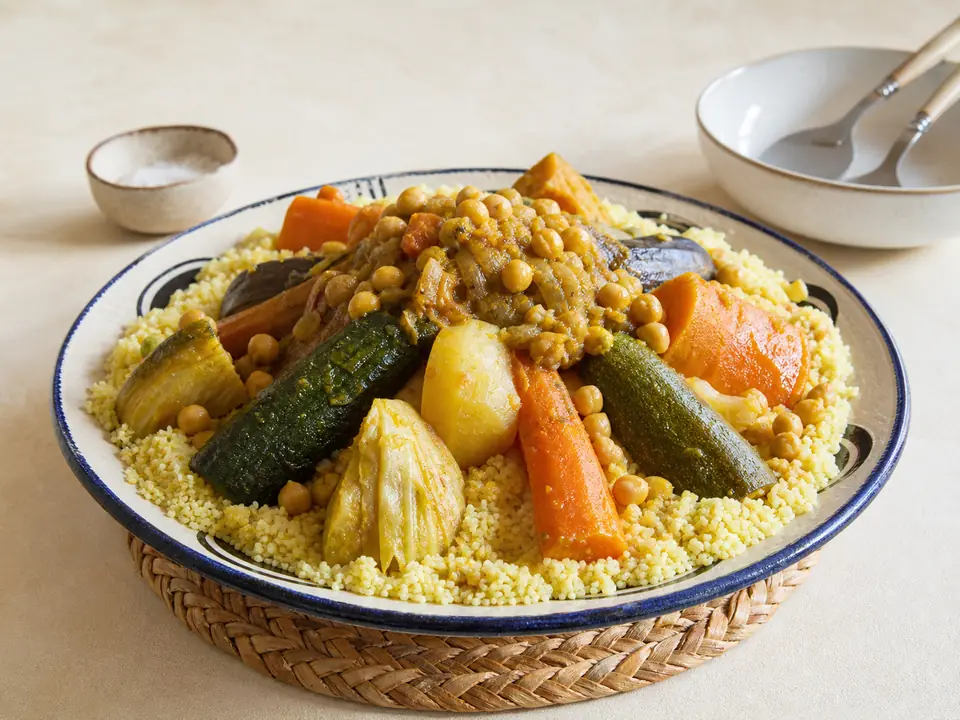
Ashura is also traditionally associated with preserved meat, particularly qadid (also khlii) — meat that has been salted, spiced and dried (or preserved in fat) to keep. Meat saved from Eid al-Adha, months earlier, is sometimes used at Ashura, cooked into dishes like a special couscous. Couscous with qadid is a classic Ashura dish in many households, the preserved meat giving it a deep, distinctive flavour.
This use of preserved meat reflects an older tradition of curing and storing meat from the sacrifice, and its appearance at Ashura ties the two occasions together across the calendar.
Children, charity and sharing
Ashura has a strong association with children, who receive treats, sweets, nuts and sometimes small gifts or toys — it's a festive, happy day for the young. There are also customs of games, and in some places water and other folk traditions surround the day.
As with many Moroccan occasions, charity and sharing are central: giving food and alms to the poor is a strong feature of Ashura, and sharing the fakia and festive foods with neighbours and those in need reflects the day's spirit. The festival weaves together sweetness, preserved-food traditions, children's joy and the ever-present Moroccan values of generosity and sharing around food.
Good to know
- Fakia — dried fruits and nuts (dates, figs, raisins, almonds, walnuts) — is the hallmark of Ashura.
- Qadid or khlii (preserved, dried meat) features in Ashura dishes like a special couscous.
- Preserved meat from Eid al-Adha is sometimes saved and used at Ashura.
- It's a joyful day for children, who receive sweets, nuts and small treats.
- Sharing food and giving to the poor are strong features of the festival.
Frequently asked questions
What food is eaten at Ashura in Morocco?
Ashura is marked by fakia — an abundance of dried fruits and nuts (dates, figs, raisins, almonds, walnuts, roasted chickpeas) — shared with family, neighbours and especially children, along with sweets and dishes made with preserved meat like qadid.
What is qadid?
Qadid (also khlii) is meat that has been salted, spiced and dried or preserved in fat to keep. It's traditionally associated with Ashura, sometimes using meat saved from Eid al-Adha months earlier, and cooked into dishes like a special couscous.
Is Ashura a festival for children?
It has a strong association with children, who receive treats, sweets, nuts and sometimes small gifts or toys, making it a joyful day for the young — alongside the festival's customs of charity and sharing food with those in need.
From the kitchen
Explore the food behind the culture with these recipes: