Itineraries
A 2-Day Fes Food Itinerary
Fes is often called Morocco's culinary capital, and two days lets you eat the case for it. The oldest imperial city guards the most refined and complex cooking in the country, hidden inside the labyrinth of the medina — the sweet-savoury pastilla, elaborate tagines, and countless tiny food workshops. This itinerary balances the icons with the local, and builds in the hands-on experiences that make the maze legible.
- Read
- 9 min
- Guide
- Itineraries
- Updated
- 19 July 2026
At a glance
- Fes is the country's refined culinary heart; its signature dish is pastilla.
- The medina is a dense web of food workshops — go with a guide or a tour.
- Two days lets you cover the icons plus a cooking class and local cook-shops.
Day 1: medina icons and a guided food tour
Give your first day to the medina, one of the largest car-free urban areas in the world and impossible to navigate blind. A guided food tour is the smartest start, threading you through the spice stalls, bakeries, cheese and olive sellers, the communal ovens where families send their bread, and the food workshops making everything from nougat to preserved lemons.
Make time for the signature dish: pastilla, a remarkable sweet-and-savoury pie of pigeon or chicken with almonds, egg and cinnamon under crisp warqa pastry, dusted with sugar. It captures the refinement Fes is known for. End the day with a rooftop dinner overlooking the medina.
- Pastilla: the must-eat sweet-savoury pie, best in a traditional restaurant.
- Medina workshops: spices, communal ovens, nougat, cheese and olives.
- Guided tour: essential for navigating and understanding the maze.
Day 2: a cooking class and local cook-shops
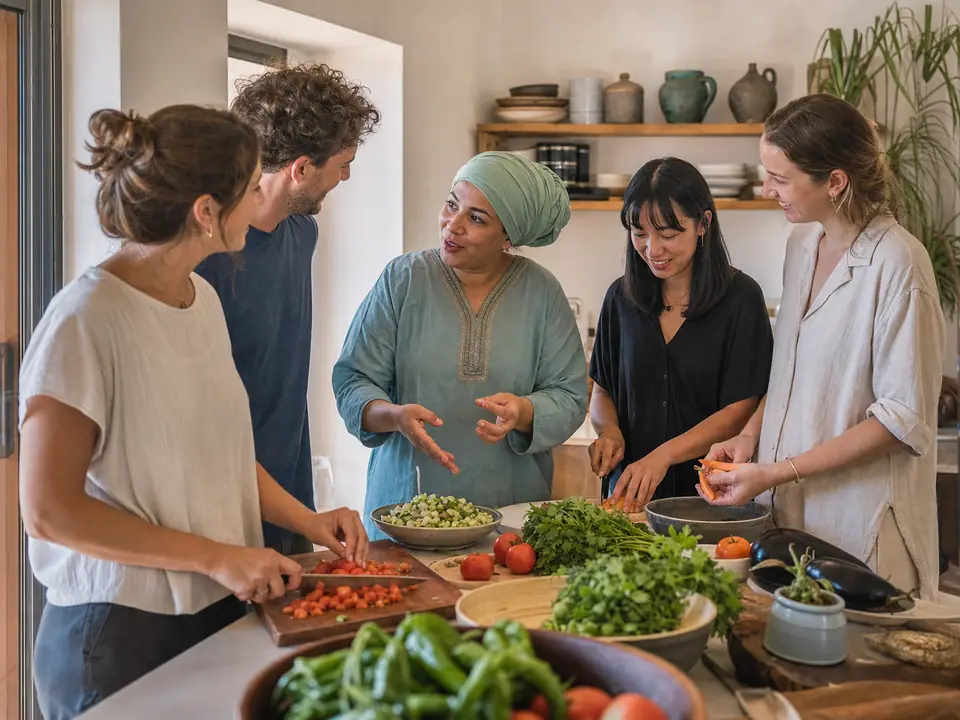
Spend the morning in a cooking class, ideally one that starts with a market visit. Fes cooking rewards learning — the layering of spices, the technique behind pastilla pastry, the slow build of a proper tagine — and you leave understanding why the city is held in such regard. You then eat what you have made for lunch.
In the afternoon, go local. Seek out the plain cook-shops and snack counters where Fassi families eat, away from the tourist restaurants, for a tagine or a bowl of harira at local prices. A stop for stuffed dates, sweets and mint tea rounds out the day.
Making the most of two days
Fes is more conservative and less touristed than Marrakech, and the medina is denser and steeper, so wear good shoes and accept that you will get pleasantly lost. Lunch is the main meal, so plan your days around it. Two days is enough for the highlights; a third would let you add a day trip to nearby Meknes or the Roman ruins of Volubilis with a countryside lunch.
Compare Fes with the other imperial cities in our imperial cities food tour, and see how it stacks up against the Red City in our best food cities guide. Browse cooking classes to book ahead.
Frequently asked questions
What food is Fes famous for?
Fes is Morocco's refined culinary capital, famous above all for pastilla — a sweet-and-savoury pie of pigeon or chicken with almonds, egg and cinnamon in crisp pastry, dusted with sugar. It is also known for complex lamb tagines and a medina packed with artisan food workshops.
Is two days enough for food in Fes?
Yes, for the highlights. Two days covers a guided medina food tour, the signature pastilla, a cooking class and local cook-shops. A third day would let you add a trip to nearby Meknes or Volubilis with a countryside lunch, but the core Fes food experience fits comfortably into two.
Do I need a guide in the Fes medina?
For food, a guide or food tour is highly recommended. The Fes medina is one of the world's largest car-free areas and a genuine labyrinth, with the best food workshops hidden deep inside. A guide navigates it, explains the dishes and workshops, and steers you to good, non-touristy tables.
How does Fes food compare to Marrakech?
Fes is generally considered more refined and complex, the connoisseur's choice, with pastilla and elaborate tagines and a denser artisan-food medina. Marrakech is more accessible and better for a first food trip, with tanjia, mechoui and the lively square. Both are outstanding in different ways.