Equipment
Using a Pressure Cooker for Moroccan Dishes
Moroccan cooks in a hurry have been using pressure cookers for decades — they are far more common in Moroccan kitchens than in Western ones. A pressure cooker can turn a two-hour tagine into a thirty-minute weeknight meal. But there are genuine trade-offs, and some dishes adapt better than others.
At a glance
- Lamb shoulder: 35–40 minutes under pressure vs 2 hours in a tagine
- Dried chickpeas: 25 minutes under pressure vs 90 minutes simmered
- Reduce the sauce uncovered after pressure-cooking to recover concentration
- Multi-component dishes with staggered timing are harder to adapt
Guide
The pressure cooker excels at tenderising tough cuts and cooking pulses fast. Lamb shoulder that takes two hours in a tagine is fall-apart tender in thirty-five to forty minutes under pressure. Dried chickpeas that need an hour and a half cook in twenty-five minutes. Harira — Morocco's great soup — adapts beautifully: build the base (onion, spice, tomato, celery), add meat and pulses, pressure-cook for thirty minutes, then open and finish with herbs, lemon and the egg-flour liaison.
The trade-off is in sauce concentration and layered flavour. A slow-braised tagine develops depth over time — the sauce reduces, the onions caramelise further, the spices meld. A pressure-cooked version gets the meat tender but the sauce stays thinner and less complex. The fix is to open the cooker, remove the meat and vegetables, and reduce the sauce uncovered on the hob for ten to fifteen minutes. This extra step reclaims much of the lost concentration.
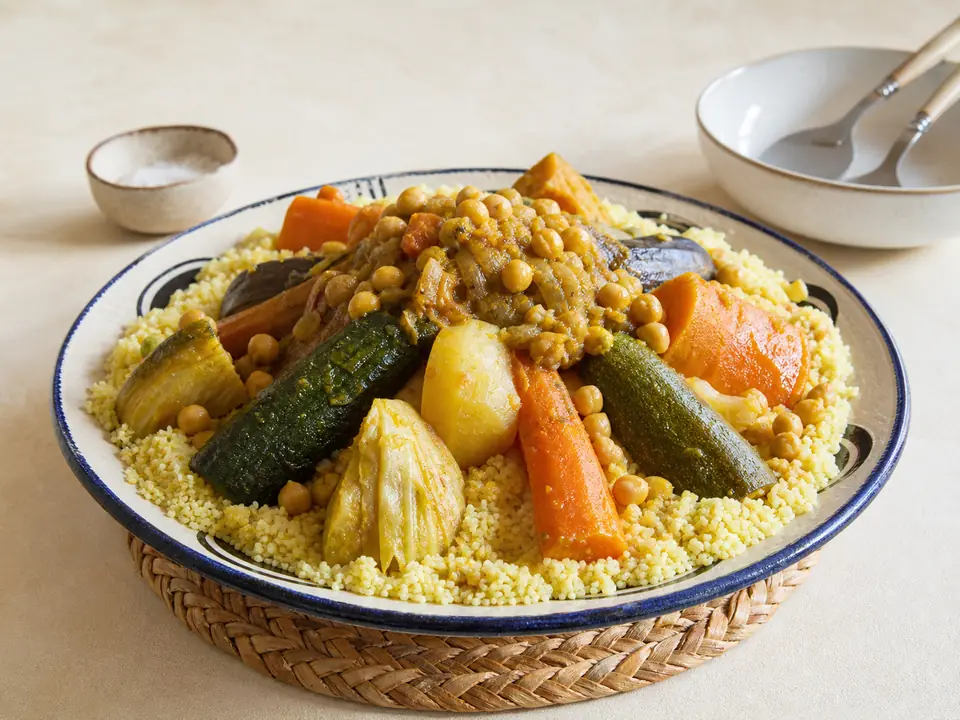
Some dishes are less suited. Anything that depends on careful timing of multiple components — a seven-vegetable couscous where each vegetable goes in at a different time — is harder under pressure. Pastilla and baked pastries obviously cannot be pressure-cooked. But for everyday tagines, harira, chickpea stews and braised meat dishes, the pressure cooker is a genuine and time-honoured Moroccan kitchen tool.
Practical tips
- 1
Build the spice base (onion, garlic, spices in oil) in the open pot before sealing.
- 2
After pressure-cooking, open the pot and reduce the sauce uncovered for 10–15 minutes.
- 3
Harira adapts perfectly — pressure-cook meat and pulses, then finish with herbs and lemon.
- 4
Use natural pressure release for meat (prevents toughening) and quick release for vegetables.
- 5
A pressure cooker is no shortcut for pastries or steamed couscous — those need their own methods.
Frequently asked questions
Can I cook a tagine in a pressure cooker?
Yes — the meat tenderises in a fraction of the time. Build the spice base in the open pot first, then seal and cook under pressure. After opening, reduce the sauce uncovered to concentrate it — this step is important for flavour.
Do Moroccans actually use pressure cookers?
Yes, widely — pressure cookers are far more common in Moroccan kitchens than in many Western ones. They are used daily for weeknight tagines, harira and pulse dishes.
What is the trade-off?
Speed vs flavour depth. The sauce stays thinner and less complex than a slow braise. Reducing the sauce uncovered after pressure-cooking recovers most of the lost concentration, but a long, slow braise still produces the richest result.
Try the recipes
Put the tip into practice with these free step-by-step recipes: