Food market
Bab Doukkala Municipal Market
Bab Doukkala, on the northwestern edge of the medina
For a market with zero performance and total authenticity, walk out to Bab Doukkala on the medina's northwest side. Its covered municipal market is where households and riad cooks shop daily for vegetables, fruit, herbs, meat, poultry and fish — a working food hall that shows you what a Marrakech kitchen is really built on.
Go here for
A working market, not a show
Bab Doukkala's market is arranged the way Moroccan food markets have been for generations: produce stalls in bright rows, a butchers' section hung with the day's meat, a poultry area where birds are sold fresh, and a wet fish counter that's busiest in the morning. Prices are fixed or near-fixed, chalked up or simply known, because the buyers are regulars.
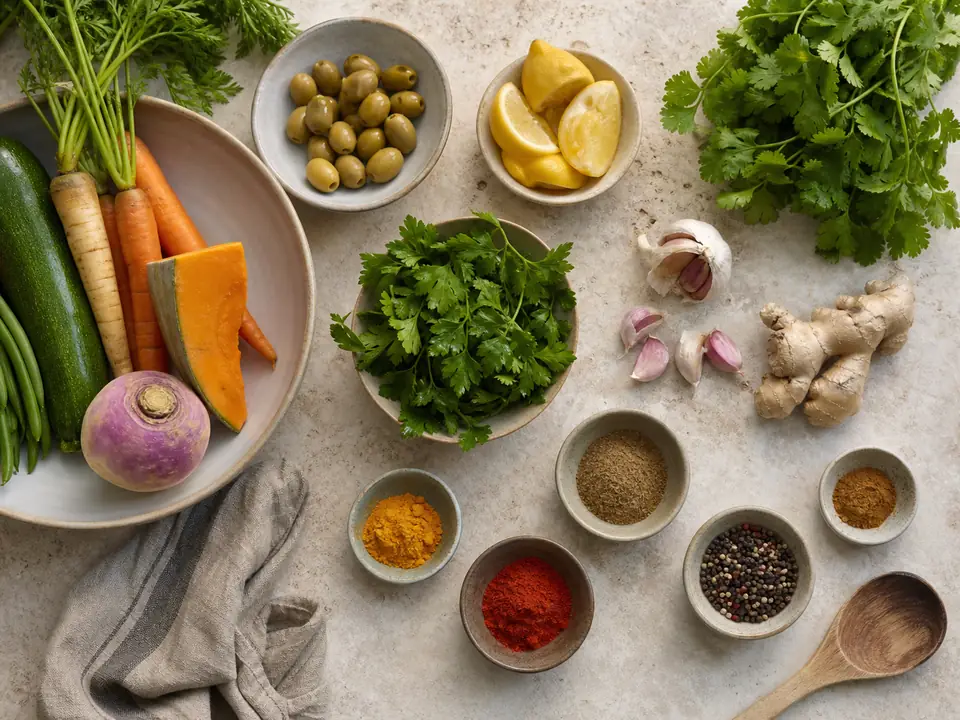
This is where you see the seasons: mountains of tomatoes and courgettes in summer, blood oranges and cardoons in winter, fat bunches of flat-leaf parsley, coriander and spearmint tied for a few coins, and whatever's just come down from the Ourika and Atlas valleys.
Why cooks come here
Many cooking classes and market tours start at a market like this precisely because it's honest — you learn to pick a ripe tomato, choose the right cut for a tagine, and understand how a Moroccan cook shops daily rather than weekly. It pairs perfectly with a souk-to-table cooking class, where the morning's produce becomes lunch.
You'll also find the practical backbone of the kitchen here: sacks of semolina and dried pulses, eggs, fresh cheese (jben), butter and smen, bread from the neighbourhood ferran (communal oven), and cheap, excellent glassware and cookware in the stalls around the gate.
How to shop like a local
- Go in the morning, ideally before 11am, when the fish is freshest and the produce is at its best.
- Prices are mostly fixed here, so don't expect to haggle produce — just point, ask 'bshhal?', and pay what's quoted.
- Buy herbs by the bunch; a fistful of coriander, parsley or mint costs almost nothing and is far fresher than anything back home.
- Watch what local shoppers pick up and follow their lead — the busiest butcher and the deepest queue mark the best stalls.
- Bring a sturdy bag and small notes; this is a cash market of small transactions.
What to avoid
- Don't photograph butchers, fishmongers or shoppers without a nod or a smile first — this is people's daily life, not a set.
- Avoid the wet-fish counter in the heat of the afternoon; by then the best has sold and the rest has been sitting out.
- Don't try to bargain hard on food staples; the margins are tiny and the prices are already local.
Frequently asked questions
Is Bab Doukkala market worth visiting for tourists?
Yes, if you want to see how Marrakech really eats. It's a genuine neighbourhood market with produce, herbs, butchers and fish and almost no tourist trade — ideal before a cooking class or for anyone curious about everyday Moroccan ingredients.
Can I haggle at Bab Doukkala market?
Not really. Fresh food here is sold at fixed or near-fixed local prices to regular customers. You simply ask the price and pay it — haggling is for crafts and spices in the tourist souks, not for daily vegetables.
What time should I go?
Morning is best. Fish is freshest early, produce is fully stocked, and the market is at its liveliest before the midday break. Many market tours and souk-to-table classes start here in the morning for exactly that reason.
Keep exploring Marrakech food
Turn your market haul into dinner with a hands-on Marrakech cooking class, walk the souks with a guide on a market food tour, learn the Moroccan spices you just bought, or cook them at home with our Moroccan recipes. For the bigger picture, browse our food culture guides.