Cooking with Peas
Recipes with Peas — Moroccan Pea and Lamb Tagine
Peas add a bright, sweet note to Moroccan tagines, most often paired with lamb or kefta in a lighter, spring-leaning dish that balances richer meat. Fresh peas, shelled at home, have a noticeably better flavour than frozen, though frozen peas are an entirely acceptable everyday substitute added late in cooking. This guide covers the classic Moroccan pea dishes, how to time their cooking, and the difference fresh peas make.
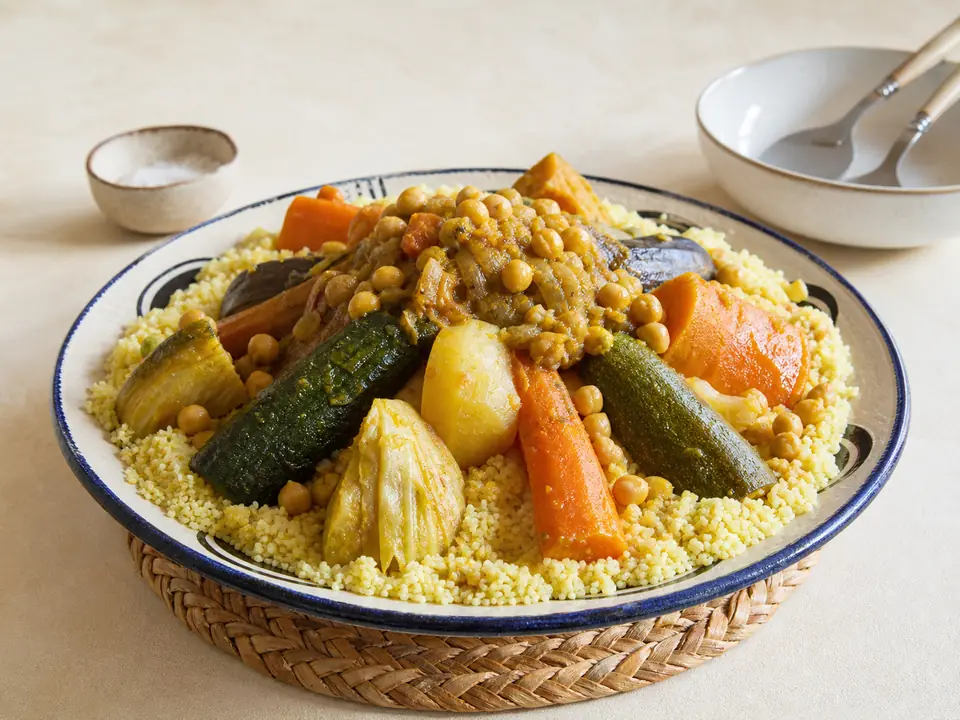
How Moroccans use peas
Peas are added toward the end of a tagine's cooking time, since they need far less time than meat or root vegetables and turn dull and mushy if simmered for hours. Fresh peas, when in season, are shelled just before cooking for the best sweetness. They pair naturally with artichoke, carrot or kefta, and often carry a little preserved lemon or saffron alongside them for brightness.
The best Moroccan recipes with peas
Lamb and pea tagine, the peas added in the final twenty minutes to stay bright and sweet, is a common spring family dish. Kefta with peas, meatballs simmered in tomato sauce with peas stirred through near the end, adds colour and sweetness. Artichoke and pea tagine combines two spring vegetables in a light, herby sauce. Peas in couscous occasionally join the standard vegetable medley for extra colour and sweetness.
Timing peas correctly
Fresh or frozen, peas need only ten to fifteen minutes of simmering to become tender, far less than most tagine ingredients. Add them in the final stretch of cooking, once the meat and other vegetables are already close to done, rather than at the start where they would overcook into a dull, grey mush.
Fresh versus frozen peas
Fresh peas, shelled from the pod just before cooking, have a sweetness and texture that frozen peas cannot fully match, though frozen peas are picked and frozen at peak ripeness and remain a very good substitute for most of the year. Either works well in a tagine as long as they are added late rather than simmered throughout.
Cook's tips
- Add peas in the final ten to fifteen minutes of cooking, whether fresh or frozen.
- Shell fresh peas just before cooking for the best sweetness and colour.
- Frozen peas are a perfectly good substitute outside the short fresh pea season.
- Pair peas with artichoke, carrot or kefta and a touch of preserved lemon for brightness.
- Avoid simmering peas for a long period — they turn dull and mushy well before an hour is up.
Questions about cooking with Peas
When do you add peas to a Moroccan tagine?
Toward the end of cooking, in roughly the last ten to fifteen minutes, once the meat and firmer vegetables are already nearly done. Adding them earlier turns them dull and overcooked.
Can you use frozen peas in Moroccan cooking?
Yes, and they are a common, convenient substitute for fresh peas outside their short season, added at the same late stage in cooking to keep their colour and sweetness.
What is lamb and pea tagine?
A spring-leaning tagine of lamb simmered with onion and warming spice, with fresh or frozen peas stirred in near the end so they stay bright, sweet and tender rather than overcooked.
What pairs well with peas in Moroccan dishes?
Artichoke, carrot and kefta are the most common pairings, often alongside a touch of preserved lemon, coriander or saffron for extra brightness in an otherwise simple sauce.
How long do peas take to cook?
Fresh or frozen peas need only ten to fifteen minutes of gentle simmering to become tender, considerably less time than the meat or root vegetables they are usually cooked alongside.
Cook these dishes with a local in Marrakech
Learn to handle peas the Moroccan way in a hands-on cooking class, or taste it across the medina on a guided food tour.