Cooking with Harissa
Recipes with Harissa — Bringing Heat to the Moroccan Table
Harissa is North Africa's fiery red chilli paste, and while it is most associated with Tunisia, it has a firm place on the Moroccan table — spooned alongside couscous, stirred into chermoula for grilled fish, and used to spike merguez and kefta. Made from dried red chillies pounded with garlic, cumin, coriander and olive oil, it delivers heat with real depth rather than raw fire. Moroccans tend to use it as a condiment and accent rather than a base. This guide covers where harissa belongs in Moroccan cooking, how much to use, and how to make a fresh batch.
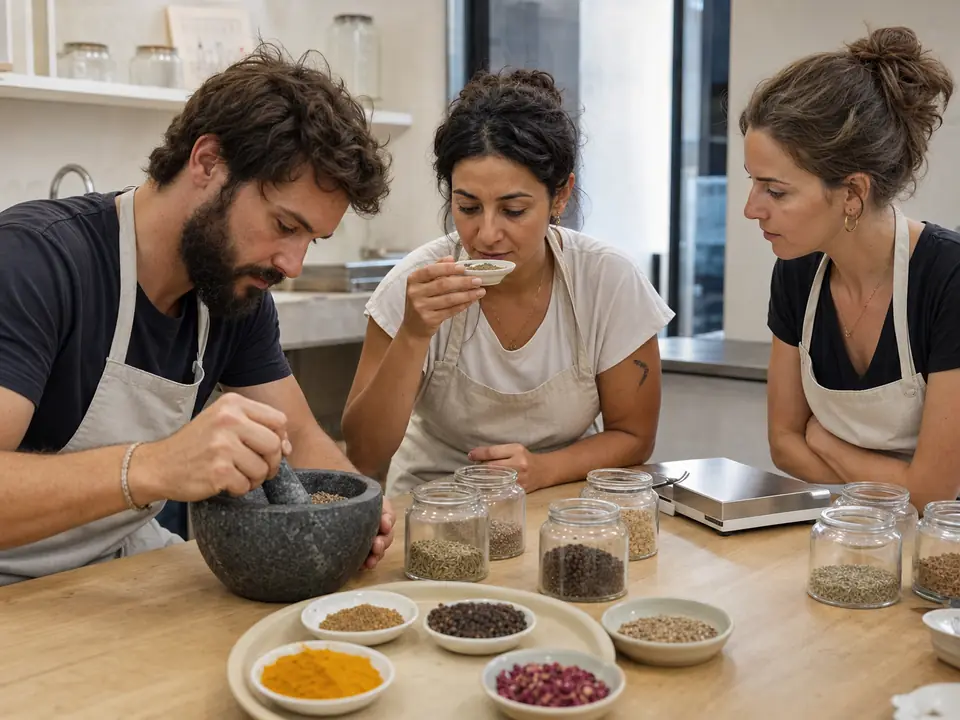
How harissa is used in Moroccan cooking
In Morocco harissa is typically a condiment and seasoning accent rather than the foundation of a dish. A spoonful is loosened with a little of the couscous broth and passed around for those who want heat, so a single pot suits mild and fiery palates alike. Cooks also stir it into chermoula marinades, brush it over fish and vegetables before grilling, and work it into sausage and kefta mixtures. Because Moroccan food leans aromatic rather than searing, harissa lets each eater dial up the heat without overwhelming the delicate spicing of the main dish.
The best Moroccan dishes with harissa
Harissa-spiked chermoula for grilled or baked fish and fish tagine. Merguez — the fiery lamb sausage built on harissa or its spice base. Kefta brochettes and tagine given a warm kick. Couscous served with a dish of harissa loosened in broth on the side. Grilled vegetables and roasted potatoes brushed with harissa oil. Zaalouk and cooked salads lifted with a small spoonful. For a first taste, whisk a little harissa into chermoula and grill a whole fish — see technique in our techniques guide.
How much to use and making your own
Harissa is potent, so start with half a teaspoon and build — its heat blooms as it cooks. To make your own, soak dried red chillies (a mix of mild and hot) until soft, then pound or blend with garlic, toasted cumin and coriander seeds, a little salt and enough olive oil to make a thick paste. Some cooks add caraway or a smear of tomato. Loosen it with broth or lemon juice as a condiment. Homemade harissa keeps a couple of weeks in the fridge under a film of oil, which seals it from air.
Buying and storing harissa
Harissa is sold as paste in tubes, jars and tins, and loose from tubs in the souk; loose market harissa is often fresher and more fragrant, so smell before buying. Strength and salt vary widely between brands and batches, so taste and adjust rather than trusting the spoonful in a recipe. Keep an opened jar in the fridge with a film of olive oil poured over the surface to stop it drying and darkening, and it will last for weeks. Dried harissa spice blends, without the oil, keep far longer in the cupboard.
Cook's tips
- Treat it as a condiment — loosen a spoonful with broth and pass it round so each eater sets their own heat.
- Start with half a teaspoon; harissa's heat builds as it cooks.
- Whisk a little into chermoula for grilled fish or brush it over vegetables before roasting.
- Seal an opened jar with a film of olive oil to keep it fresh in the fridge.
- Taste before you commit — salt and heat vary a lot between batches and brands.
Questions about cooking with Harissa
Is harissa Moroccan or Tunisian?
Harissa is most strongly associated with Tunisia, where it is a national staple, but it is used across North Africa including Morocco. In Moroccan kitchens it tends to be a condiment and an accent for grilled fish, merguez and couscous rather than the base of a dish, since Moroccan cooking leans aromatic over fiery.
How spicy is harissa?
It is genuinely hot, but the heat is rounded by garlic, cumin, coriander and olive oil rather than sharp. Strength varies a lot between recipes and brands. Start with a small amount, taste, and add more — you can always build heat, but you cannot take it back out of a finished dish.
How do I make harissa at home?
Soak dried red chillies until soft, then pound or blend them with garlic, toasted cumin and coriander seeds, salt and enough olive oil to make a thick paste. Adjust the chilli mix for your preferred heat. Store it in a jar under a film of oil in the fridge, where it keeps a couple of weeks.
What can I use harissa on besides tagine?
Plenty — whisk it into chermoula for fish, spread it on bread with cheese, stir it into salad dressings and soups, brush it over vegetables or chicken before grilling, or serve it alongside couscous. It also seasons merguez and kefta. A little brings warmth and depth to almost any savoury dish.
How long does harissa keep once opened?
An opened jar of harissa paste keeps for several weeks in the fridge if you smooth the surface and cover it with a thin film of olive oil to block out air, which stops it drying and darkening. Always use a clean spoon. Dry harissa spice blends, without oil, keep for many months in the cupboard.
Cook these dishes with a local in Marrakech
Learn to handle harissa the Moroccan way in a hands-on cooking class, or taste it across the medina on a guided food tour.