Cooking with Lben (Buttermilk)
Recipes with Lben — Morocco's Tangy Cultured Buttermilk
Lben is Morocco's tangy cultured buttermilk — the slightly sour, refreshing drink left after churning butter from fermented milk, or cultured fresh. Cooling and gently acidic, it is drunk alongside couscous, poured over dates to break the Ramadan fast, sipped with bread, and used to tenderise and flavour in cooking. Where the West sees buttermilk as a baking ingredient, Morocco treats lben as an everyday refreshment and companion to rich food. This guide covers what lben is, how Moroccans use it, how it differs from thicker cultured milks, and how to buy or make it.
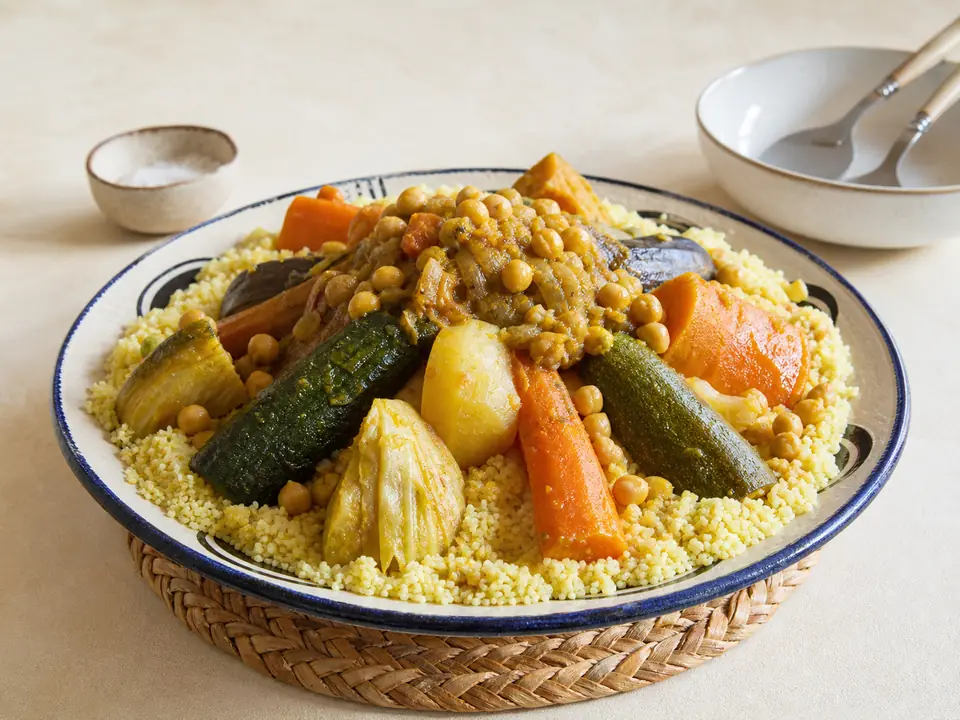
How Moroccans use lben
Lben is above all a refreshing drink to accompany food, especially the Friday couscous, where a glass of cool, tangy lben cuts the richness of the grain and meat. It is poured over dates to open iftar during Ramadan, sipped with bread as a simple meal, and served to cool the palate against spice. In cooking it acts as a mild tenderiser and souring agent, used in some marinades, breads and batters where its acidity and cultured tang are wanted. Thinner and more sour than yoghurt, lben is drunk more than it is cooked, valued for its cooling, digestive qualities.
The best ways to use lben
Lben with couscous — the classic pairing, a glass of buttermilk alongside or poured over the grain. Dates and lben — the traditional gentle opener to the Ramadan fast. Lben with bread — a humble, cooling meal. Marinades — lben tenderises and flavours chicken or meat before grilling. Batters and breads where a cultured tang and lift are wanted. Its most authentic use is simply as a cold drink with couscous, so start there to understand why Moroccans reach for lben with their richest meals.
Lben versus raib and cooking with it
Distinguish lben from thicker cultured milks: lben is thin, tangy, drinkable buttermilk, while raib is a set, junket-like fermented milk eaten with a spoon, and l'ben spellings can cause confusion. For drinking, serve lben well chilled. In cooking, add it toward the end of a hot dish or use it in marinades and batters, since like all cultured dairy it can split and curdle if boiled hard. Its acidity tenderises meat gently and adds a pleasant sourness to breads. If a recipe abroad calls for buttermilk, lben is its natural Moroccan equivalent.
Buying and making lben
Lben is sold fresh and cheaply in Moroccan shops and markets, in cartons or from larger containers, and is best drunk cold and fresh, as its tang sharpens with age. Keep it refrigerated and use within its date. To make a simple version at home, culture fresh milk with a spoonful of existing lben or plain live yoghurt and leave it to sour and thicken slightly at warm room temperature, then chill; traditionally it is the liquid left from churning cultured cream into butter. Shake before serving, as it can separate. Cultured shop buttermilk abroad is the closest ready substitute.
Cook's tips
- Serve lben well chilled — it is above all a cooling drink for rich meals like couscous.
- Pour it over dates to break the fast, a gentle traditional iftar opener.
- Don't boil lben hard in cooking; like all cultured dairy it can split and curdle.
- Use it in marinades to tenderise chicken or meat gently before grilling.
- Drink it fresh — lben's tang sharpens and it can separate as it ages, so shake before serving.
Questions about cooking with Lben (Buttermilk)
What is lben?
Lben is Moroccan cultured buttermilk — the tangy, slightly sour liquid traditionally left after churning butter from fermented milk, or cultured fresh. Thin and refreshing, it is drunk cold rather than used mainly for baking. It cools the palate against rich, spiced food and is a classic companion to couscous and a gentle opener to the Ramadan fast.
How do Moroccans drink lben?
Cold and fresh, most classically alongside the Friday couscous, where its tang cuts the richness of the grain and meat. It is also poured over dates to break the Ramadan fast, sipped with bread as a simple meal, and drunk to cool the palate against spicy dishes. It is refreshment and digestive aid as much as ingredient.
What is the difference between lben and raib?
Lben is thin, tangy, drinkable buttermilk, while raib is a set, junket-like fermented milk eaten with a spoon, often lightly sweetened or scented. Both are cultured dairy, but their textures and uses differ — lben is poured and drunk, raib is spooned like a soft dessert. Do not confuse the two when a recipe specifies one.
Can I cook with lben?
Yes, though it is drunk more than cooked. It works in marinades, where its acidity tenderises meat gently, and in some breads and batters that want a cultured tang. Avoid boiling it hard, as cultured dairy can split and curdle; add it toward the end of a hot dish. Abroad, cultured buttermilk is its natural equivalent.
How can I make lben at home?
Culture fresh milk with a spoonful of existing lben or plain live yoghurt, leave it to sour and thicken slightly at warm room temperature, then chill and shake before serving. Traditionally it is the liquid left from churning cultured cream into butter. If you cannot make it, cultured shop buttermilk is the closest ready substitute.
Cook these dishes with a local in Marrakech
Learn to handle lben (buttermilk) the Moroccan way in a hands-on cooking class, or taste it across the medina on a guided food tour.