Oriental
Food in Berkane
Clementines and citrus, olives and olive oil, Beni Snassen produce
- Population
- about 110,000
- Region
- Oriental
- Best time
- Winter (November to February) for the clementine and citrus harvest; spring and autumn for mild weather and, in late autumn, the olive harvest.
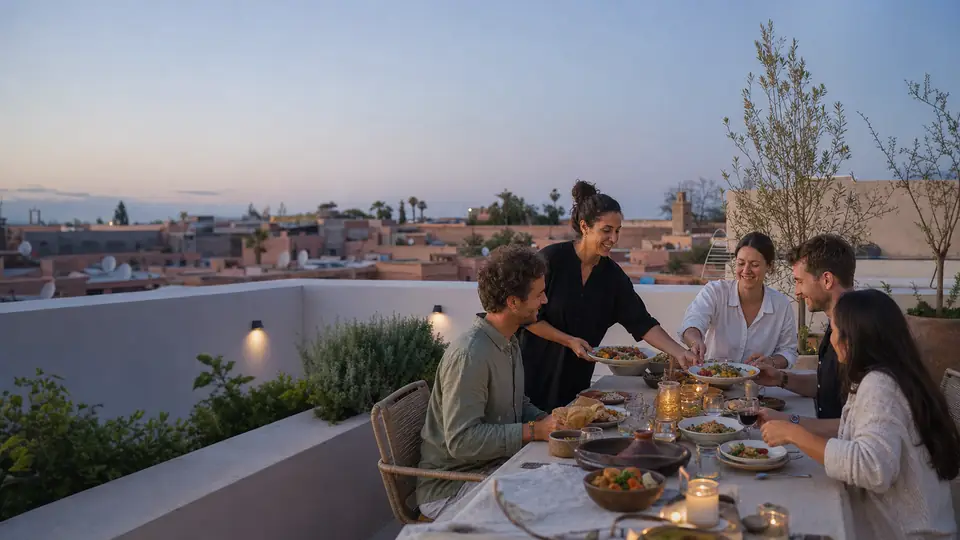
Berkane sits in the fertile plain of the Oriental, northeastern Morocco, beneath the Beni Snassen mountains and not far from the Mediterranean coast at Saidia. It is, above all, Morocco's citrus capital -- the Berkane clementine is famous nationwide, a sweet, seedless, thin-skinned fruit that carries the town's name and marks the whole region's identity. The plain around Berkane, watered by the Moulouya river, is a patchwork of citrus orchards, olive groves and vineyards, and this agricultural richness defines how the town eats.
Citrus is the headline, but olives run a close second. The Beni Snassen foothills produce prized olives and olive oil, and Berkane celebrates both citrus and olives with local festivals. The everyday table draws on this abundance: fresh oranges and clementines eaten by the kilo in winter, olives and oil at every meal, and the vegetables, fruit and herbs of a well-watered plain. Meat means lamb and beef from the surrounding land, cooked into tagines and grilled simply. The Oriental region has its own culinary character, distinct from the imperial cities and influenced by nearby Algeria and the Mediterranean.
For the traveller, Berkane is a prosperous, green agricultural town, a gateway to the Beni Snassen mountains with their gorges and caves, and a short hop from the Mediterranean beaches of Saidia. Come in citrus season, and the markets overflow with the clementines that made the town's name; come any time, and you eat the produce of one of Morocco's most fertile corners.
Signature dishes of Berkane
These are the dishes that define Berkane's food identity -- the plates that locals are proud of and visitors should seek out.
Berkane clementines
The town's famous sweet, seedless clementine, eaten fresh by the kilo in winter and celebrated at a local festival.
Local olives and olive oil
Prized olives and oil from the Beni Snassen groves, present at every meal and a regional point of pride.
Lamb tagine with vegetables
Local lamb slow-cooked with onion, tomato and the plain's abundant vegetables and herbs.
Grilled meat with cumin
Fresh lamb and beef grilled over charcoal, seasoned simply with cumin and salt.
Couscous with seasonal vegetables
The Friday couscous, piled with vegetables from the fertile Moulouya plain.
Citrus salads and juices
Fresh orange and clementine juices and salads, showcasing the region's defining fruit.
Where to eat in Berkane
Every city has its food neighbourhoods -- the streets, quarters and markets where locals eat and where you should too.
Town centre and main avenue
Cafes, juice bars, grill houses and tagine restaurants, busy with the trade of a prosperous farm town.
Central souk and weekly market
Citrus, olives, olive oil, vegetables and everyday produce from the surrounding orchards and groves.
Citrus and olive orchards
The patchwork of groves around town, source of the clementines and oil the region is known for.
Road toward Saidia and the coast
Roadside produce stalls and, nearer the Mediterranean, seafood eateries at the beach resort of Saidia.
The cooking identity of Berkane
Berkane cooks the food of the fertile Oriental plain, defined by citrus and olives. Fruit is central -- oranges and the famous clementines eaten fresh, juiced and in salads -- while olives and Beni Snassen olive oil anchor every meal. Tagines and couscous follow the Moroccan template but draw on the plain's abundance of vegetables, herbs and fruit, and lamb and beef from the surrounding land are grilled or braised simply. The Oriental region has its own culinary accent, shaped by proximity to the Mediterranean and to Algeria, giving it distinct flavours and habits. It is prosperous, produce-rich cooking, built on one of Morocco's most fertile and well-watered corners.
Market guide
Citrus rules the market in season. In winter the souk and roadside stalls overflow with Berkane clementines and oranges, sold fresh and juiced, and the town holds a clementine festival to celebrate the harvest. Year-round the market carries the prized local olives and olive oil from the Beni Snassen groves, along with the vegetables, fruit and herbs of the well-watered Moulouya plain. Look for olives, olive oil and, in season, citrus as the standout things to buy. The region also produces wine grapes and has an agricultural richness rare in Morocco. Carry cash for the souk, though the prosperous town centre has more card acceptance than remote areas.
Best time to visit for food
Winter (November to February) for the clementine and citrus harvest; spring and autumn for mild weather and, in late autumn, the olive harvest.
Food tips for Berkane
- Come in winter for the Berkane clementine harvest, when the markets overflow with the town's famous fruit.
- Buy local olives and olive oil from the Beni Snassen groves, a genuine regional specialty.
- Explore the Beni Snassen mountains nearby for gorges, caves and orchard scenery.
- Combine Berkane with the Mediterranean beach resort of Saidia, a short trip away.
- Try fresh clementine and orange juice, showcasing the region's defining crop.
- Look out for local citrus and olive festivals that celebrate the harvests.
Frequently asked questions about food in Berkane
Why is Berkane called the citrus capital of Morocco?
The fertile plain around Berkane, watered by the Moulouya river, is covered in citrus orchards, and the sweet, seedless Berkane clementine is famous across Morocco. The town celebrates its citrus harvest with a local festival, and the fruit is central to its identity.
What is a Berkane clementine?
It is a prized variety of clementine grown around Berkane: sweet, thin-skinned and seedless. It carries the town's name, is sold across the country in winter, and is one of Morocco's best-known fruits.
What else besides citrus is Berkane known for?
Olives and olive oil from the Beni Snassen foothills, which are a major regional product and celebrated alongside the citrus. The plain also grows vegetables, fruit and wine grapes, making Berkane one of Morocco's most fertile agricultural areas.
Is Berkane near the Mediterranean?
Yes. It lies in the Oriental region a short distance inland from the Mediterranean coast, close to the beach resort of Saidia and beneath the Beni Snassen mountains. Its position makes it a green, prosperous crossroads of plain, mountain and sea.
When should I visit Berkane for food?
Winter, for the clementine and citrus harvest that defines the town, and late autumn for the olive harvest. At those times the markets are fullest and the region's signature produce is at its freshest.