Souss-Massa
Food in Agadir
Souss cuisine, Atlantic seafood, argan oil, Amazigh cooking traditions
- Population
- 600,000
- Region
- Souss-Massa
- Best time
- Year-round
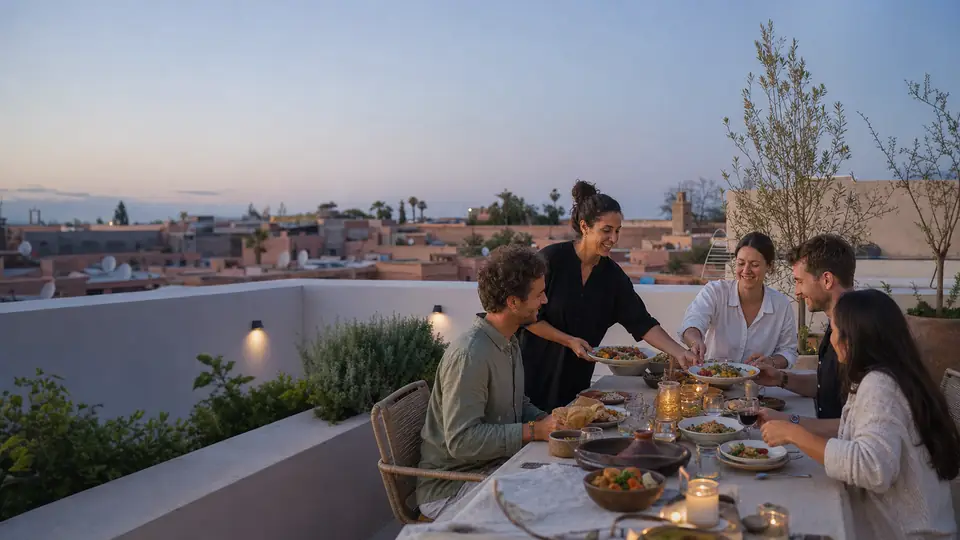
Agadir is Morocco's premier beach city, and its food reflects the unique culinary traditions of the Souss-Massa region. The Souss is Amazigh heartland -- the indigenous Tashelhit-speaking population has a cooking tradition that predates Arab influence and centres on argan oil, barley, honey and the produce of the Anti-Atlas mountains. Combined with Agadir's position as a major Atlantic fishing port, this creates a food identity that is simultaneously earthy and oceanic.
The city was almost entirely destroyed by a devastating earthquake in 1960 and rebuilt from scratch, so it lacks the medieval medina ambiance of other Moroccan cities. But what Agadir lacks in old-city charm it makes up for in the quality of its raw ingredients and the warmth of its culinary hospitality. The fishing port is one of the largest in Africa, processing sardines, anchovies, octopus, shrimp and dozens of other species. The beachfront promenade and the port area are lined with restaurants serving this catch at remarkably low prices.
Inland, the Souss plains and Anti-Atlas foothills produce the world's supply of argan oil, along with excellent saffron, almonds, honey, dates and citrus. The traditional Amazigh cuisine of the region -- tafarnout barley bread cooked in sand, tagines seasoned with herbs rather than elaborate spice blends, and amlou as a daily staple -- offers a compelling alternative to the more familiar urban Moroccan cooking.
Signature dishes of Agadir
These are the dishes that define Agadir's food identity -- the plates that locals are proud of and visitors should seek out.
Grilled Atlantic fish
Fresh sole, sea bream, sardines or prawns grilled over charcoal at the port. Choose your fish, set the price, and eat with bread and salad.
Tafarnout
Traditional Amazigh barley bread cooked buried in hot sand or ash. Dense, earthy and served with argan oil and honey.
Amlou
The Souss's signature spread: roasted almonds ground with argan oil and honey into a rich, nutty butter. Eaten daily at breakfast.
Tagine with argan oil
Chicken or goat tagine finished with a generous drizzle of culinary argan oil, giving a distinctive nutty depth.
Sardine tagine
Sardines layered with tomatoes, peppers, preserved lemon and chermoula, baked in a tagine. A Souss-Atlantic staple.
Tharidt
Amazigh torn-bread stew: flatbread torn into pieces and layered with chicken, onion and spiced broth.
Where to eat in Agadir
Every city has its food neighbourhoods -- the streets, quarters and markets where locals eat and where you should too.
Port d'Agadir
The fishing port with a row of restaurants serving the day's catch. The freshest and cheapest seafood in the city.
Corniche / Beach promenade
Beachfront restaurants and cafes with sunset views, seafood platters and international dining.
Souk El Had
Agadir's enormous covered market with produce, spices, argan oil, dried fruits, nuts and street food.
Talborjt
Local neighbourhood with cheap, authentic restaurants serving Souss-style tagines and grills.
The cooking identity of Agadir
Souss cuisine is Morocco's most distinctively Amazigh culinary tradition. Argan oil replaces olive oil as the primary fat. Barley replaces wheat in many breads. Tagines are seasoned with mountain herbs -- thyme, oregano, bay leaf -- rather than the complex spice blends of Marrakech. Honey is used more freely, and almonds appear in everything from amlou to tagine garnishes. The cooking is robust, nourishing and deeply connected to the land. Seafood along the coast is treated simply -- grilled, fried or baked in tagines -- letting the extraordinary freshness speak for itself.
Market guide
Souk El Had is one of the largest markets in North Africa -- a vast covered space with over 6,000 stalls selling everything from argan oil and honey to fresh produce, spices, olives and dried fruits. It's a genuine local market, not a tourist souk, and prices reflect this. For argan oil, buy from reputable cooperatives inside the souk or visit one of the women's cooperatives in the countryside between Agadir and Essaouira. The fish section of the market is excellent, and nearby stalls will grill your purchase on the spot.
Best time to visit for food
Year-round -- Agadir has over 300 sunny days per year. The busiest season is July-August; spring and autumn offer warm weather with fewer crowds.
Food tips for Agadir
- Go to the fishing port for lunch -- the seafood restaurants there are cheaper and fresher than the beachfront places.
- Visit Souk El Had for argan oil, honey and almonds at local prices, far below what you'd pay in Marrakech.
- Try tafarnout if you can find it -- this ancient sand-baked barley bread is increasingly rare and worth seeking out.
- Take a day trip to an argan-oil cooperative in the Anti-Atlas foothills to see the traditional production process.
- Don't judge Agadir's food by the all-inclusive hotel restaurants -- eat where locals eat for the real Souss cuisine.
Frequently asked questions about food in Agadir
What is Souss cuisine?
Souss cuisine is the traditional Amazigh cooking of the Agadir-Taroudant region, centred on argan oil, barley, honey, almonds and Atlantic seafood. It is simpler and more herb-driven than the spice-heavy cooking of Marrakech and Fes, with a strong farm-to-table identity.
Where should I eat in Agadir?
The fishing port for seafood, Souk El Had for street food and market eating, and the Talborjt neighbourhood for authentic local restaurants. The beach promenade is pleasant but more tourist-oriented.
What is amlou?
Amlou is a traditional Souss spread made from roasted almonds ground with argan oil and honey. It has the consistency of peanut butter and a rich, nutty flavour. It's eaten at breakfast with bread and is a daily staple in the region.
Is Agadir good for food?
Yes, especially for seafood and Amazigh cuisine. Agadir is an underrated food destination -- the Atlantic fish is superb, the argan oil is the world's best, and the Souss culinary tradition is fascinating and distinct from the better-known cuisines of Marrakech and Fes.
How much does a seafood meal cost at Agadir port?
A generous grilled fish platter for one person at the port restaurants costs 50-100 MAD (5-10 USD). Shrimp and lobster cost more. It's some of the best-value seafood dining in the world.