Food culture
Harira: Morocco's National Soup
Harira is Morocco's national soup — a thick, warming blend of tomatoes, lentils, chickpeas, onions and herbs, thickened with flour and perfumed with cinnamon, ginger and fresh coriander. It is the first thing eaten at iftar during Ramadan, served at every celebration, and eaten throughout winter as the ultimate comfort food.
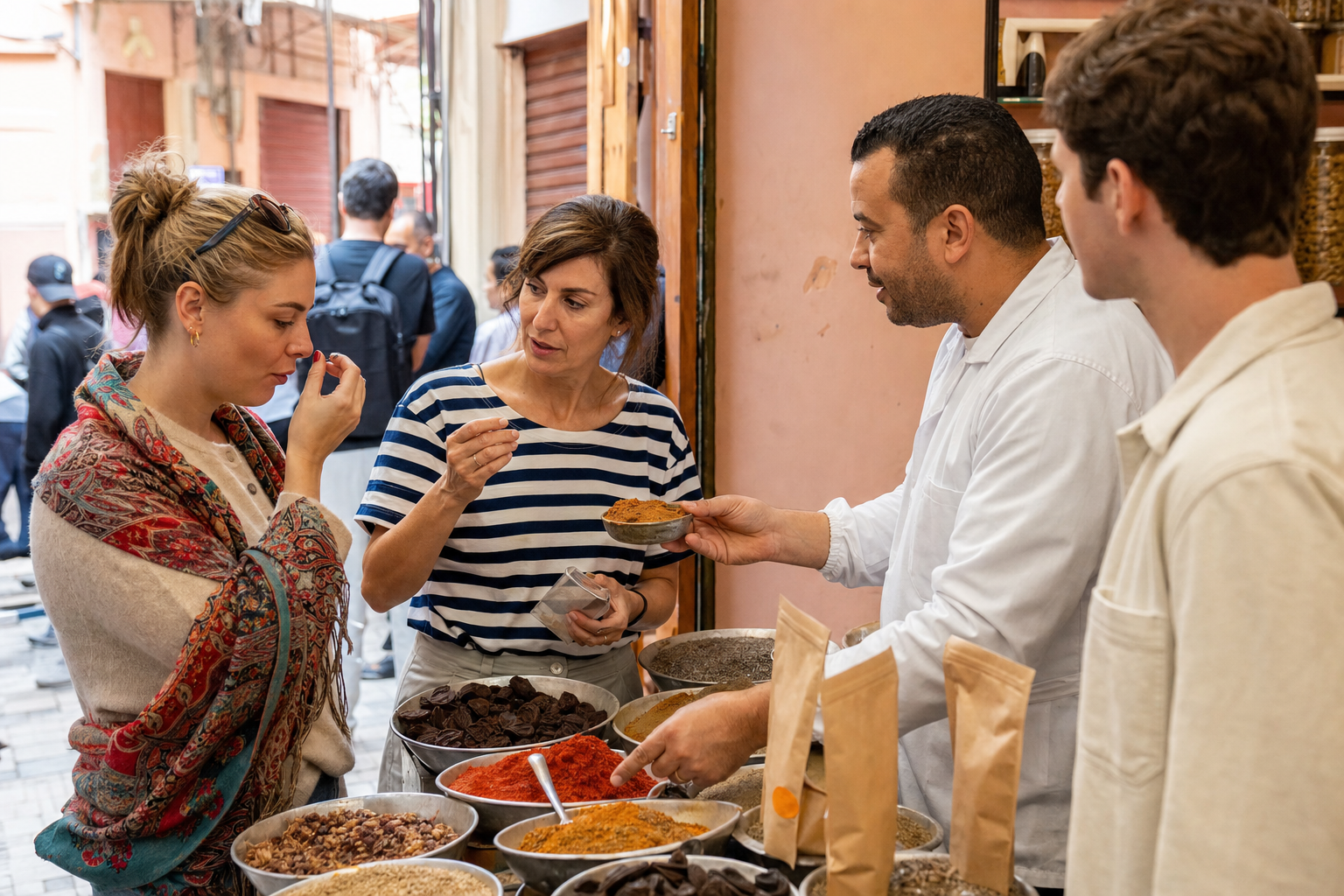
What harira is
Harira is a thick, hearty soup built on a base of onions, tomatoes and celery, enriched with lentils and chickpeas, and thickened with a tedouira (flour-water slurry) that gives it its distinctive silky, substantial body. Most versions include small pieces of lamb or beef, but meatless harira is common. Fresh coriander, parsley, lemon juice, cinnamon and ginger round out the flavour. It is a complete meal in a bowl.
Harira and Ramadan
Harira is the defining food of Ramadan in Morocco. At iftar (the meal that breaks the daily fast), harira is always the first course — accompanied by dates, chebakia (honey pastry), hard-boiled eggs and fresh bread. The soup provides hydration, nutrition and warmth after a day of fasting. During Ramadan, the smell of harira simmering fills every Moroccan neighbourhood in the late afternoon.
Beyond Ramadan
While Ramadan is harira's peak season, the soup is eaten year-round. Street stalls sell bowls of harira in winter. Restaurants serve it as a starter. Families make it as a midweek dinner. It is one of the most universally loved foods in Morocco — affordable, nourishing and deeply satisfying.
Frequently asked questions
Is harira vegetarian?
Some versions include meat (lamb or beef); others are meat-free. The lentil-chickpea-vegetable version is naturally vegetarian. Always ask, as even 'vegetable harira' may have been made with meat stock.
Where can I try harira?
Street stalls sell bowls for 5-10 MAD. Restaurant menus list it as a starter (15-30 MAD). During Ramadan, harira is everywhere. Outside Ramadan, look for restaurants with a soup section or street stalls with large simmering pots.