Travel tips
Guide to Moroccan Food Markets: Souks, Kissarias and Fondouks
Moroccan food markets are not supermarkets. They are living, breathing ecosystems with centuries of tradition. Understanding how they work — the souk system, the specialised areas, the unwritten rules — transforms a confusing first visit into a rich food experience. This guide explains the different types of market, what each sells, and how to navigate them.
The souk: the general market
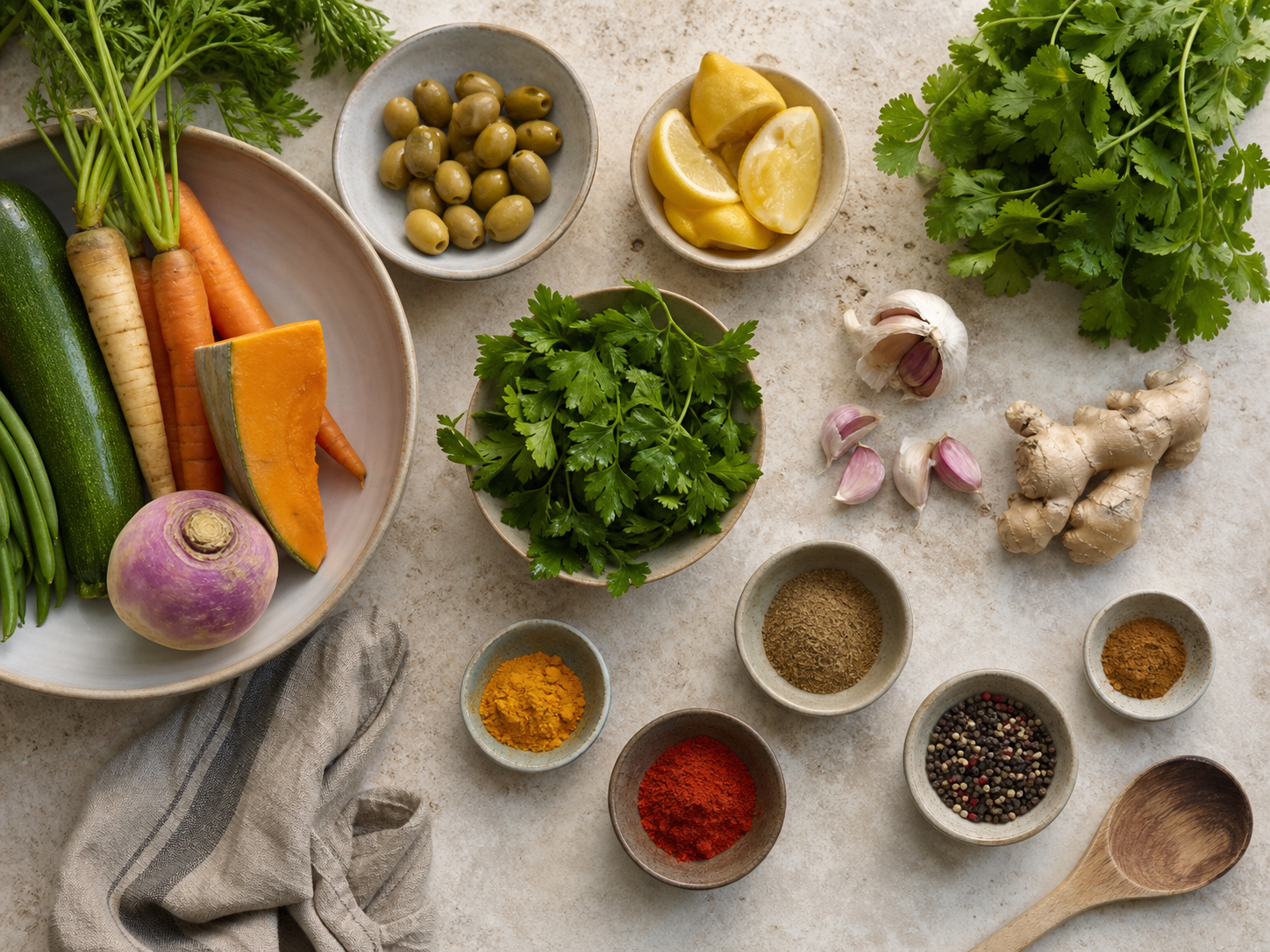
Every Moroccan city has a souk — a network of covered or semi-covered alleyways filled with shops and stalls. In large cities like Marrakech and Fez, the souk is enormous and divided into specialised sections. The food sections sell fresh produce, spices, olives, dried fruits, nuts, meat, fish, bread, and prepared foods. Each section tends to cluster by product: all the olive sellers together, all the spice sellers together, all the butchers together.
The kissaria: the covered market hall
The kissaria is the most prestigious part of the souk — a covered market hall, often with locked gates, selling higher-value goods. In food terms, this is where you find the best spice merchants, saffron sellers, and specialty ingredients. The kissaria of Fez and Marrakech are centuries old and architecturally beautiful. Prices may be slightly higher than the open souk, but quality is usually better.
The fondouk: the merchant inn
A fondouk (or funduq) is a traditional merchant inn built around a central courtyard. Historically, traders stored goods and slept upstairs. Today, fondouks in the medina serve as wholesale markets, artisan workshops, or storage for market goods. Some fondouks specialise in food wholesale — olive oil, grains, dried goods. They are fascinating to visit but not primarily retail.
When to go
Early morning (7-9 AM) for the freshest produce, especially meat and fish. Mid-morning (9-11 AM) is the busiest and most atmospheric. Many food sections close by early afternoon. Friday is reduced — many stalls close for Friday prayers and the communal couscous meal. Ramadan changes hours dramatically — markets are busiest in late afternoon before iftar.
How to buy
Point at what you want. The vendor will weigh it and name a price. In tourist areas, prices may be inflated — ask the price before committing. In local neighbourhood souks, prices are generally fair and fixed. Pay in cash (dirhams). Few market vendors take cards. Bring small bills (20 and 50 MAD notes). Tasting before buying is normal for olives, dried fruits, and some spices.
Beyond the medina
Modern Moroccan cities have neighbourhood markets (marché) outside the medina — often cleaner, cheaper, and less crowded than tourist-area souks. These are where local families shop daily. Supermarkets (Marjane, Carrefour, Acima) stock packaged goods but lack the quality and experience of the souk. For the best of both, visit a neighbourhood souk for daily produce and a medina souk for specialty items.
Frequently asked questions
Is it safe to buy food in a Moroccan souk?
Yes — Moroccans buy all their food there. The same food safety rules apply as anywhere: buy fresh, eat at busy stalls, avoid anything that has been sitting in the sun. Produce is seasonal and local, which generally means fresher than imported supermarket food.
Do I need to bargain for food?
For basic produce (vegetables, fruit, bread), prices are mostly fixed in local souks. For spices, dried goods, and specialty items in tourist areas, gentle bargaining is expected. A good rule: if the vendor names a price without you asking, it is probably fair.