Travel tips
Best Moroccan Food Souvenirs and Gifts to Bring Home
Morocco produces some of the finest spices, oils, preserves and sweets in the world. The right food souvenirs let you recreate Moroccan flavours at home for months. This guide covers what to buy, where to find the best quality, how much to pay, and how to pack everything safely for the journey home.
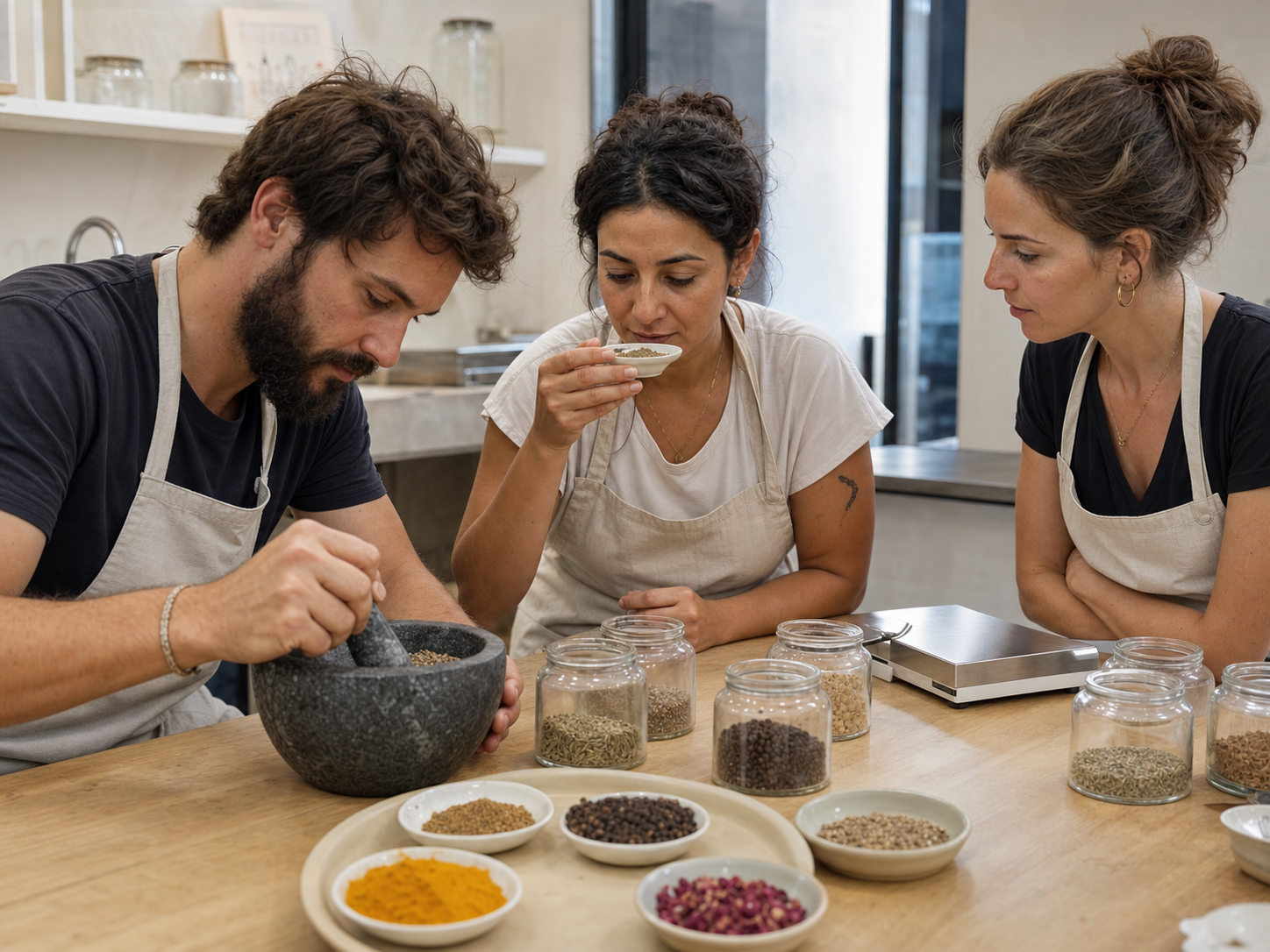
Spices and spice blends
Ras el hanout is the essential purchase — a complex blend of 12-30 spices unique to each seller. Buy from a reputable herbalist (attar) in the souk, not from tourist shops on main thoroughfares. Expect to pay 30-80 MAD per 100g for good quality. Other excellent spice buys: cumin, paprika, turmeric, dried ginger, cinnamon sticks, and black pepper. Saffron is available but buy carefully — real saffron costs 15-30 MAD per gram. If it is cheap, it is fake.
Argan oil
Culinary argan oil (roasted, dark, nutty) is a spectacular souvenir. Buy from a cooperative between Essaouira and Agadir for best quality and price (200-400 MAD per litre). In Marrakech, reputable shops sell smaller bottles (100-200 MAD for 250ml). Cosmetic argan oil (unroasted, lighter) is also available. Pack in checked luggage wrapped in plastic bags.
Preserved lemons and olives
Preserved lemons (citrons confits) are the ingredient that defines Moroccan cooking. Buy a jar in any souk — they last months. Moroccan olives (especially the red-brown ones from Meknes) are superb. Both pack well in sealed jars. Harissa paste in tubes or jars is another excellent condiment to bring home.
Sweets and pastries
Amlou — the Moroccan almond-argan butter — is an outstanding gift. Rich, nutty, unique to Morocco. Available in jars (60-120 MAD). Chebakia (sesame-honey pastry) packs well in boxes. Gazelle horns (kaab el ghzal) are delicate but travel if packed carefully. Dried figs and dates from the south are excellent, especially Medjool dates from Errachidia.
Tea and herbs
Chinese gunpowder green tea (the base of Moroccan mint tea) in decorative tins. Dried mint, verbena (louiza), and other herbs from herbalist stalls. Orange blossom water and rose water in sealed bottles. Moroccan teapots and tea glasses make beautiful non-food gifts to accompany the tea.
Packing tips
Wrap glass bottles and jars in clothing and place in checked luggage. Put oils and liquids in sealed plastic bags in case of leaks. Spices are lightweight and pack easily — double-bag to prevent the scent from permeating your clothes. Most food items pass customs without issue (check your home country's import rules for fresh produce). Declare everything if asked.
Frequently asked questions
Can I bring Moroccan food through customs?
Dried spices, oils, preserved foods, and sweets are generally fine for most countries. Fresh produce (fruit, vegetables, meat) is usually restricted. Check your home country's customs rules before buying. The US, EU and UK all allow dried spices and sealed oils.
Where is the best place to buy food souvenirs?
Herbalists in the old medina souks for spices. Cooperatives for argan oil. Olive vendors in the souk for olives and preserved lemons. Patisseries for sweets. Avoid the tourist shops along main tourist routes — quality is lower and prices are higher.