Travel tips
Moroccan Food Gifts and Souvenirs to Bring Home
Morocco produces some of the world's finest edible gifts — saffron, argan oil, ras el hanout, preserved lemons, amlou, dates and pastries. This guide tells you what to buy, where to find quality, how to avoid fakes, and what you can (and cannot) bring home on a plane.
Spices
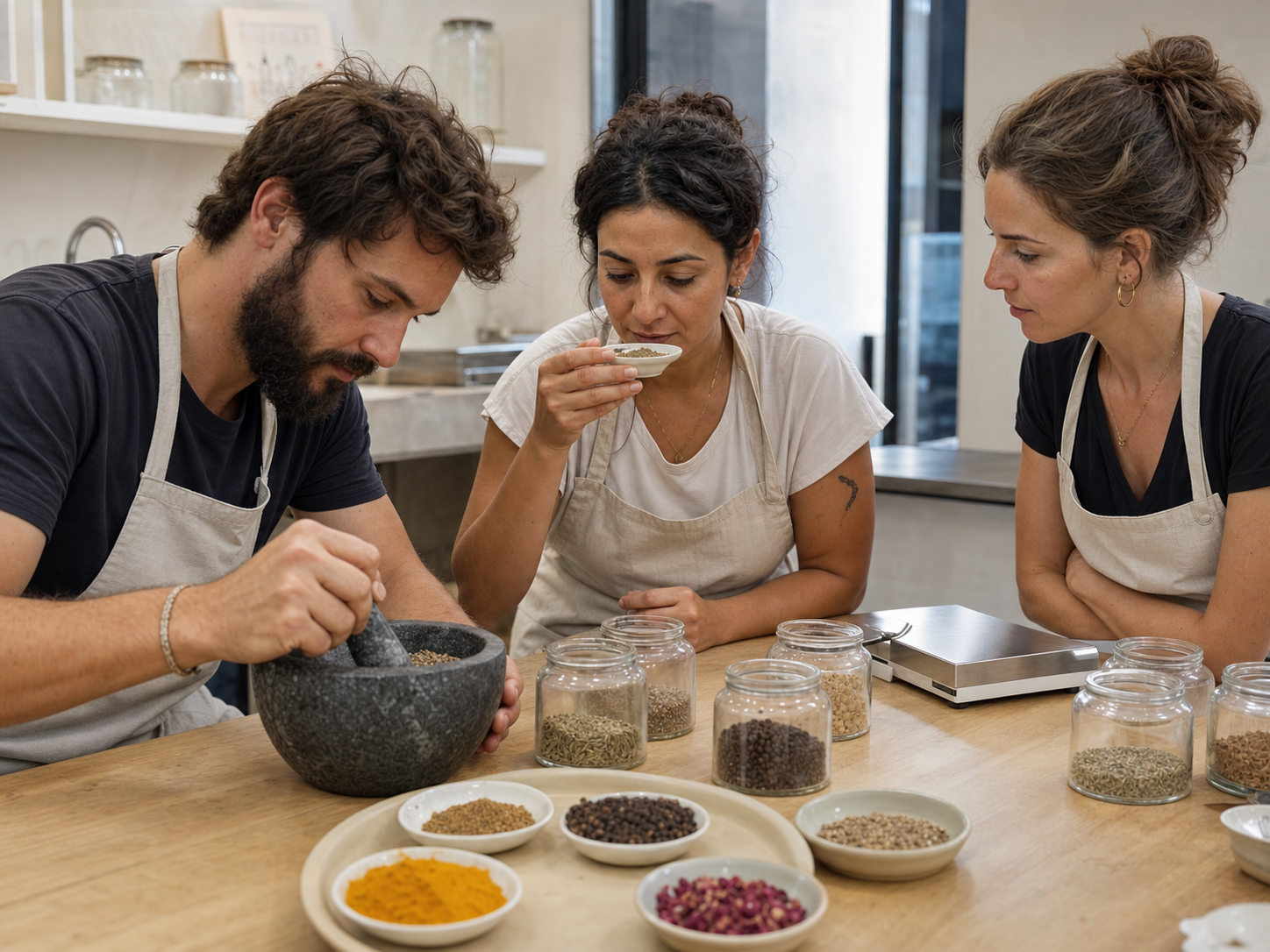
Spices are the quintessential Moroccan food souvenir. The essentials: ras el hanout (Morocco's signature spice blend — every vendor has a different recipe), cumin seeds, sweet paprika, turmeric and dried ginger. Buy whole spices when possible — they keep longer and taste better when freshly ground. A good spice haul from a reputable shop costs 100-200 MAD and will transform your cooking for months.
- Buy from established shops, not street vendors — quality and freshness are more reliable
- Whole spices keep for 1-2 years; ground spices 3-6 months
- Ask the vendor to seal bags tightly — the smell will permeate your luggage otherwise
Argan oil
Culinary argan oil (roasted, golden-brown, nutty-flavoured) is Morocco's most distinctive product. Buy from a reputable shop or cooperative — fake argan oil (cut with sunflower oil) is common in tourist areas. A 250ml bottle of genuine culinary argan oil costs 80-150 MAD. Cosmetic argan oil (unroasted, lighter colour) is different — do not cook with it.
Saffron
Moroccan saffron from Taliouine is excellent. Real saffron costs 30-60 MAD per gram. If it is much cheaper, it is safflower (a harmless but worthless substitute). Buy from a spice shop that specialises in saffron and can show you the whole threads. A 2-gram packet is enough for dozens of dishes.
Preserved lemons and olives
Preserved lemons and olives are harder to transport (liquid, weight) but worth the effort. Buy preserved lemons in sealed jars. Olives can be packed in sealed containers by the vendor. Both keep for months. They are the flavour foundation of Moroccan cooking and impossible to replicate with substitutes.
Pastries and sweets
Moroccan pastries make beautiful gifts. Buy a mixed box from a good pastry shop — chebakia, kaab el-ghazal, ghriba, makrout. Honey-soaked pastries keep 2-3 weeks; dry pastries (ghriba, fekkas) keep longer. Pack in your carry-on to avoid crushing. Amlou (argan-almond-honey paste) in a sealed jar is another excellent sweet gift.
Customs and airline rules
Most dried foods (spices, dried fruit, nuts, pastries) are allowed into the EU, UK and US. Liquids (olive oil, argan oil) must go in checked luggage or comply with carry-on liquid limits. Fresh produce (fruit, vegetables, meat) is generally prohibited. Check your home country's customs rules before packing perishables.
Frequently asked questions
Can I bring spices home on a plane?
Yes — dried spices are allowed in both carry-on and checked bags for most destinations. Pack them in sealed bags inside a zip-lock to contain the smell.
How do I spot fake argan oil?
Genuine culinary argan oil smells like roasted nuts and has a deep golden colour. Fake oil is lighter, less fragrant and much cheaper. Buy from cooperatives or established shops.